
Gap Insurance for Multiple Vehicles — Kansas
Free to compare
Gap Coverage Applies Per Vehicle, Not Per Policy
You financed a second car and added it to your existing Kansas household policy. Your lender sent gap insurance paperwork, and now you're wondering whether gap coverage extends to every vehicle on the policy or just the financed one. The structural reality: gap insurance is a per-vehicle product. It attaches to the specific car with the loan or lease, not to the policy as a whole. Your other vehicles — paid off or financed elsewhere — remain unaffected.
This matters because lenders often phrase gap requirements as policy-level mandates, creating the impression that adding gap to one car changes coverage on the rest. It doesn't. Each vehicle on your multi-car policy carries its own collision, comprehensive, and optional gap coverage. When you add a financed vehicle, the lender's gap requirement applies only to that car. Your paid-off sedan and your spouse's leased SUV operate under their own coverage elections.
“Gap insurance attaches to the specific car with the loan, not to the policy as a whole.”

Find Coverage That Keeps You Legal in Kansas
Get My Kansas Car Insurance Quote$25,000 / $50,000 / $25,000
Kansas Minimum Liability Limits
Kansas requires $25,000 bodily injury per person, $50,000 per accident, and $25,000 property damage. These minimums apply to every vehicle on your policy, but gap insurance — which covers the loan balance after a total loss — sits outside liability and is elected per vehicle.
Kansas Department of Revenue, Division of Vehicles
What Gap Insurance Actually Covers on a Multi-Car Policy
Gap insurance pays the difference between your car's actual cash value at the time of a total loss and the remaining loan or lease balance. When you total a financed vehicle, your collision or comprehensive coverage pays the car's depreciated market value. If you owe more than that value — common in the first few years of a loan — gap coverage pays the shortfall to your lender. Without it, you're responsible for the remaining balance on a car you no longer own.
On a multi-car Kansas policy, gap applies only to the vehicles you elect it for. If you finance two cars and pay cash for a third, you can carry gap on the financed pair and skip it on the paid-off vehicle. Each car's gap election is independent. The premium for gap coverage is calculated per vehicle based on that car's loan amount, term, and depreciation curve — not on the total number of vehicles on your policy.
Gap does not replace collision or comprehensive coverage. You must carry both to trigger gap. Kansas does not mandate gap insurance by statute, but lenders and lessors routinely require it as a loan condition. That requirement binds to the specific vehicle securing the loan, not to your household policy structure.

Your lender can require gap insurance only on the vehicle securing the loan — not on unrelated cars sharing the same policy.
Related Articles





Adding a Leased Vehicle to a Multi-Car Policy
Leased vehicles almost always require gap coverage because the lease contract holds you responsible for the full residual value at lease end. When you add a leased car to your Kansas household policy, the lessor requires proof of gap on that vehicle within days of delivery. The gap requirement does not extend to your owned or financed vehicles on the same policy. Each car's coverage structure remains independent.
Kansas carriers writing multi-car policies allow you to elect gap on some vehicles and decline it on others during the same policy term. When you add the leased vehicle mid-term, the carrier re-rates the policy to include gap coverage on that car only. Your other vehicles' premiums remain unchanged unless you modify their coverage at the same time. The lessor receives a certificate of insurance showing gap on the leased vehicle by VIN, satisfying its contractual requirement without affecting your other cars.
67 carriers
Kansas Auto Insurance Market
Kansas licenses 67 auto insurance carriers writing policies in the state. Not all offer gap insurance directly; some require you to purchase gap through the lender or a third-party administrator. When comparing carriers for a multi-car policy with financed vehicles, confirm gap availability and whether it can be added mid-term without re-rating unrelated vehicles.
Kansas Insurance Department
When You Pay Off One Vehicle But Finance Another
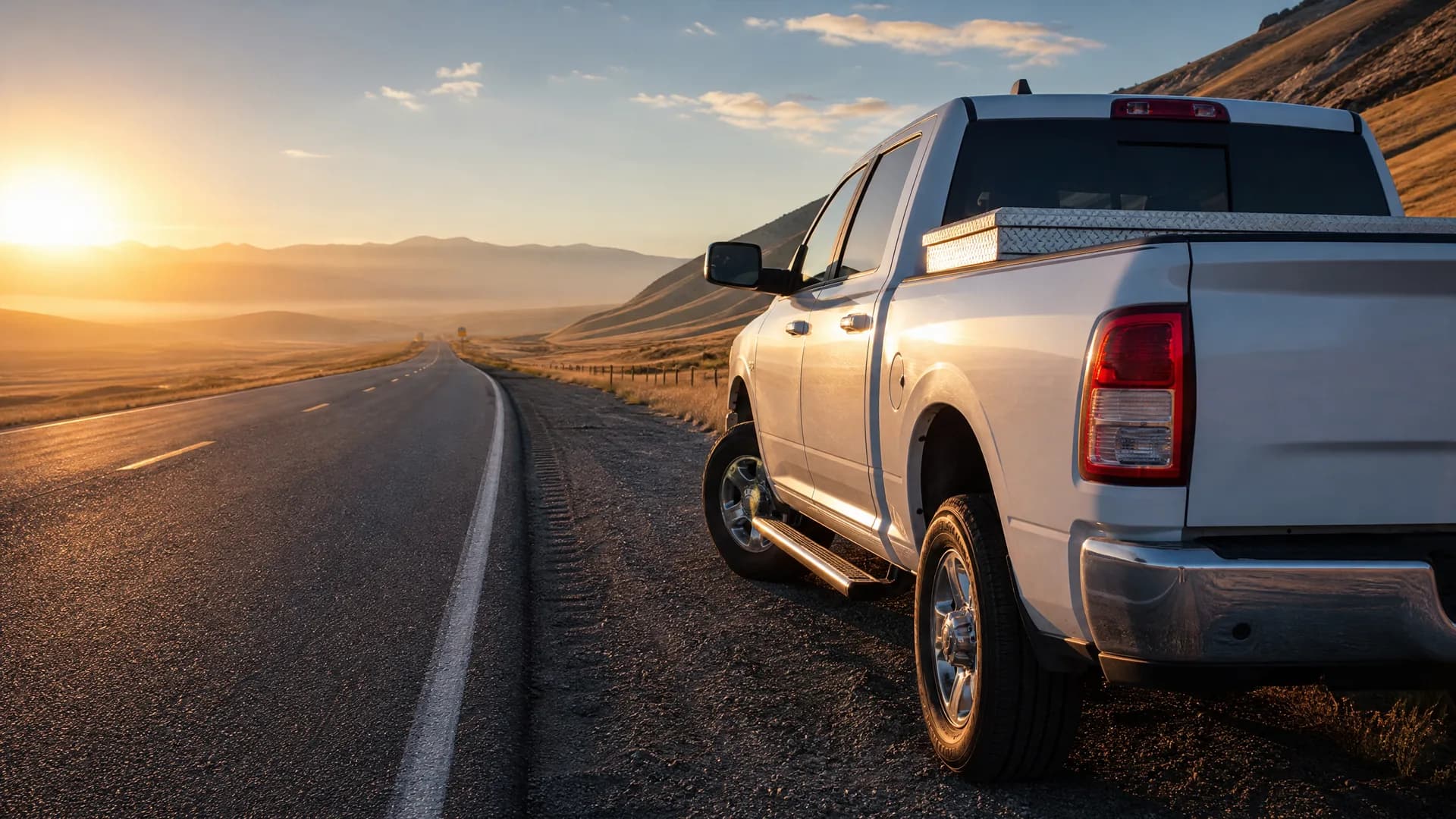
You pay off your truck and immediately finance a replacement sedan. The truck's gap coverage ends the day the lien is released — your carrier removes it at your next renewal or upon request. The new sedan requires its own gap election. Because gap is per-vehicle, paying off one car does not transfer its gap coverage to another. You elect gap on the new sedan independently, and the carrier adjusts your premium to reflect the change: gap removed from the paid-off truck, gap added to the financed sedan.
This sequencing matters at claim time. If you total the paid-off truck after the lien release, gap does not apply — there's no loan balance to cover. If you total the financed sedan before electing gap, you're responsible for any shortfall between the car's actual cash value and the loan balance. Kansas carriers allow you to add gap to a newly financed vehicle within the policy term, but the coverage is not retroactive. Elect it before you drive the car off the lot.
Compare Carriers Writing Multi-Car Policies With Gap
Not every Kansas carrier writing multi-car policies offers gap insurance as a policy endorsement. Some refer you to the lender's gap product or a standalone third-party administrator. When you're structuring coverage for multiple financed vehicles, confirm that your carrier writes gap directly and allows per-vehicle elections on the same policy. Carriers writing gap in Kansas include major national writers and regional specialists — compare their gap premium structures and whether they permit mid-term additions without re-rating your entire household.
When comparing quotes, provide accurate loan balances and terms for each financed vehicle. Gap premiums are calculated per car based on depreciation risk, loan-to-value ratio, and term length. A five-year loan on a rapidly depreciating vehicle costs more to cover than a three-year loan on a vehicle with strong resale value. Request gap quotes separately for each financed car so you understand the per-vehicle cost and can decide whether to accept the carrier's gap product or purchase it through your lender.
How Lenders Enforce Gap Requirements Across Multiple Vehicles
The lender names itself as loss payee on the financed vehicle and requires proof that gap coverage is in force on that car. Your carrier issues an endorsement or declaration page showing gap on the specific vehicle by VIN. The lender does not review or approve coverage on your other household vehicles — only the one securing its loan. If you later refinance that car or pay off the loan early, the gap requirement on that vehicle ends. Your other financed vehicles retain their own gap coverage independently.
Some Kansas households finance two vehicles simultaneously and assume gap must be purchased as a package. It doesn't work that way. Each lender evaluates its own collateral. If you finance a truck through one bank and a sedan through another, each lender requires gap on its own vehicle. You can satisfy both requirements on the same multi-car policy by electing gap separately for each financed car. The premium for each vehicle's gap coverage is added to your total policy cost, but the elections remain distinct.
Get Your Free Quote
Get My Kansas Car Insurance QuoteFrequently Asked Questions
Does gap insurance cover all vehicles on my Kansas multi-car policy?
No. Gap insurance applies only to the specific vehicles you elect it for. If you finance two cars and own a third outright, you can carry gap on the financed pair and skip it on the paid-off vehicle. Each car's gap election is independent.
Can my lender require gap insurance on vehicles I already own?
No. Your lender can require gap insurance only on the vehicle securing its loan. Other cars on your household policy — financed elsewhere or paid off — are not subject to that lender's gap requirement.
What happens to gap coverage when I pay off a financed vehicle?
Gap coverage on that vehicle ends when the lien is released. Your carrier removes the gap premium at your next renewal or upon request. If you finance a different vehicle, you elect gap on the new car independently — gap does not transfer between vehicles.
Can I add gap insurance to a vehicle mid-term on my Kansas policy?
Yes. Kansas carriers allow you to add gap coverage to a newly financed vehicle during the policy term. The carrier re-rates the policy to include gap on that car only. Gap coverage is not retroactive, so elect it before you drive the vehicle off the lot.
Do all Kansas carriers offer gap insurance as a policy endorsement?
No. Some carriers write gap directly as a policy endorsement; others refer you to the lender's gap product or a third-party administrator. When structuring coverage for multiple financed vehicles, confirm your carrier writes gap and allows per-vehicle elections on the same policy.
How is gap insurance premium calculated on a multi-car policy?
Gap premium is calculated per vehicle based on that car's loan amount, term, and depreciation curve. Each financed vehicle on your policy carries its own gap cost. The total gap premium is the sum of the per-vehicle charges, not a flat policy-level fee.