
Collision Coverage for Multiple Cars — Kansas
Free to compare
The Multi-Car Collision Decision
You insure two or more vehicles on one Kansas policy and the carrier quoted collision coverage as an all-or-nothing choice: add it to every car or drop it from all of them. That framing is wrong. Collision coverage is a per-vehicle decision, not a policy-level mandate, and the right answer for a 2022 sedan is not the right answer for a 2008 truck with 180,000 miles.
Kansas does not require collision coverage on any vehicle you own outright. The state mandates liability minimums of $25,000 per person, $50,000 per accident for bodily injury, and $25,000 for property damage, plus personal injury protection and uninsured motorist coverage. Collision is optional. If you finance or lease a vehicle, the lender requires it until the loan closes. Once you own the car free and clear, the decision is yours.
“Collision coverage is a per-vehicle decision, not a policy-level mandate. The right answer for a 2022 sedan is not the right answer for a 2008 truck.”

Find Coverage That Keeps You Legal in Kansas
Get My Kansas Car Insurance Quote$25,000 / $50,000 / $25,000
Kansas Liability Minimums
Kansas requires $25,000 bodily injury per person, $50,000 per accident, and $25,000 property damage. Collision coverage is optional for vehicles you own outright.
Kansas Department of Revenue, Division of Vehicles
What Collision Coverage Actually Pays
Collision coverage pays to repair or replace your vehicle after a crash with another car or object, regardless of who caused the accident. If you hit a guardrail, back into a pole, or get rear-ended by an uninsured driver whose liability you cannot collect, collision covers your vehicle's damage minus your deductible. The coverage pays up to the vehicle's actual cash value at the time of loss.
Actual cash value is not what you paid for the car. It is the depreciated market value the day before the accident.
Collision does not cover mechanical failure, hail damage, theft, or vandalism. Those perils fall under comprehensive coverage, which is a separate optional product. Collision covers crashes. Comprehensive covers everything else that is not a crash.
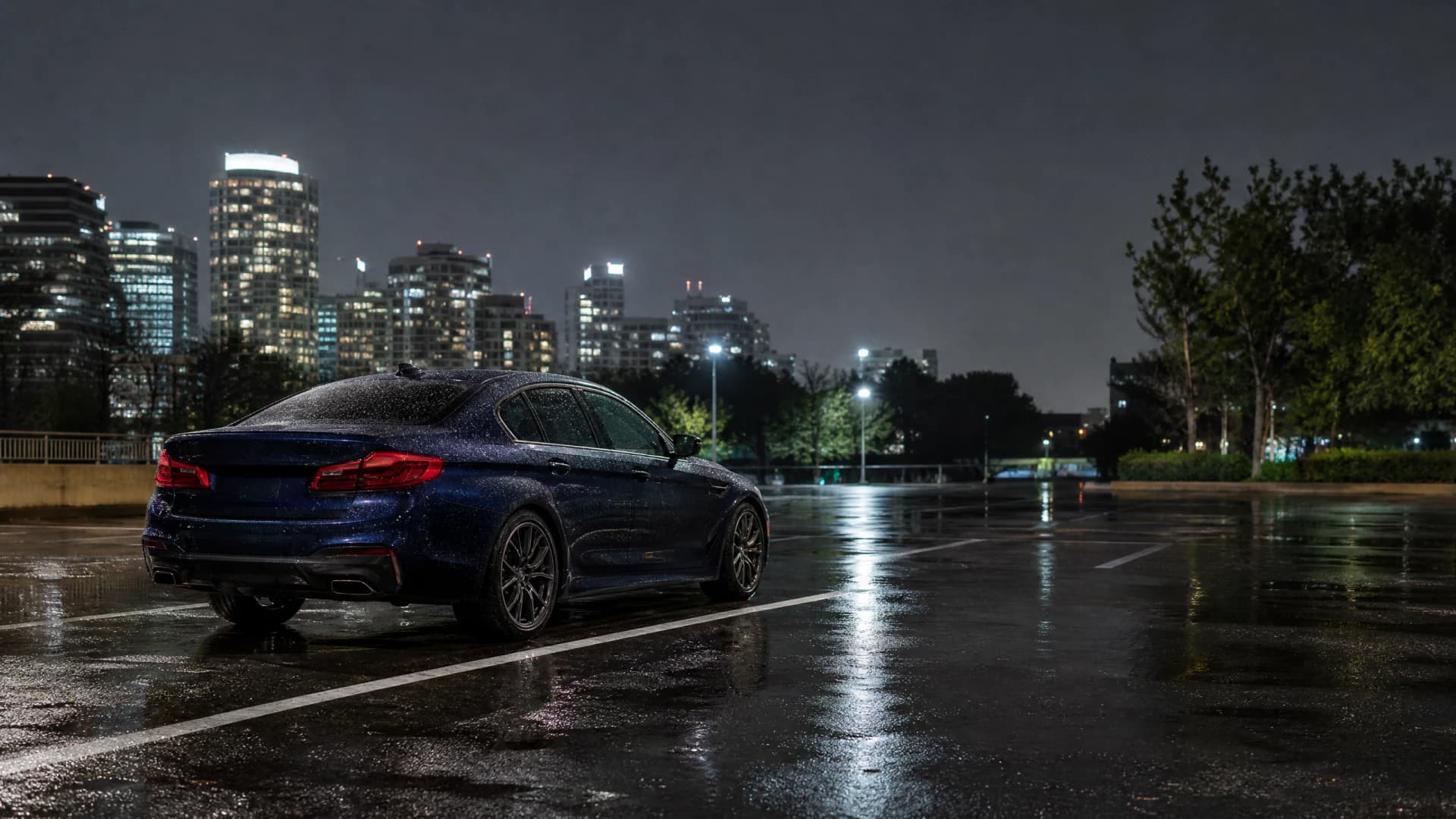
The blocker: carriers quote collision as a policy add-on, but the coverage decision is per-vehicle. You can carry collision on the newer sedan and drop it from the older truck.
Related Articles

Best Multi-Car Insurance Companies in Kansas
7/15/2026
Best Full Coverage for Multiple Cars in Kansas
7/15/2026
Kansas Car Insurance Coverage Levels
7/15/2026
Choosing a Car Insurer for Multiple Cars in KS
7/15/2026
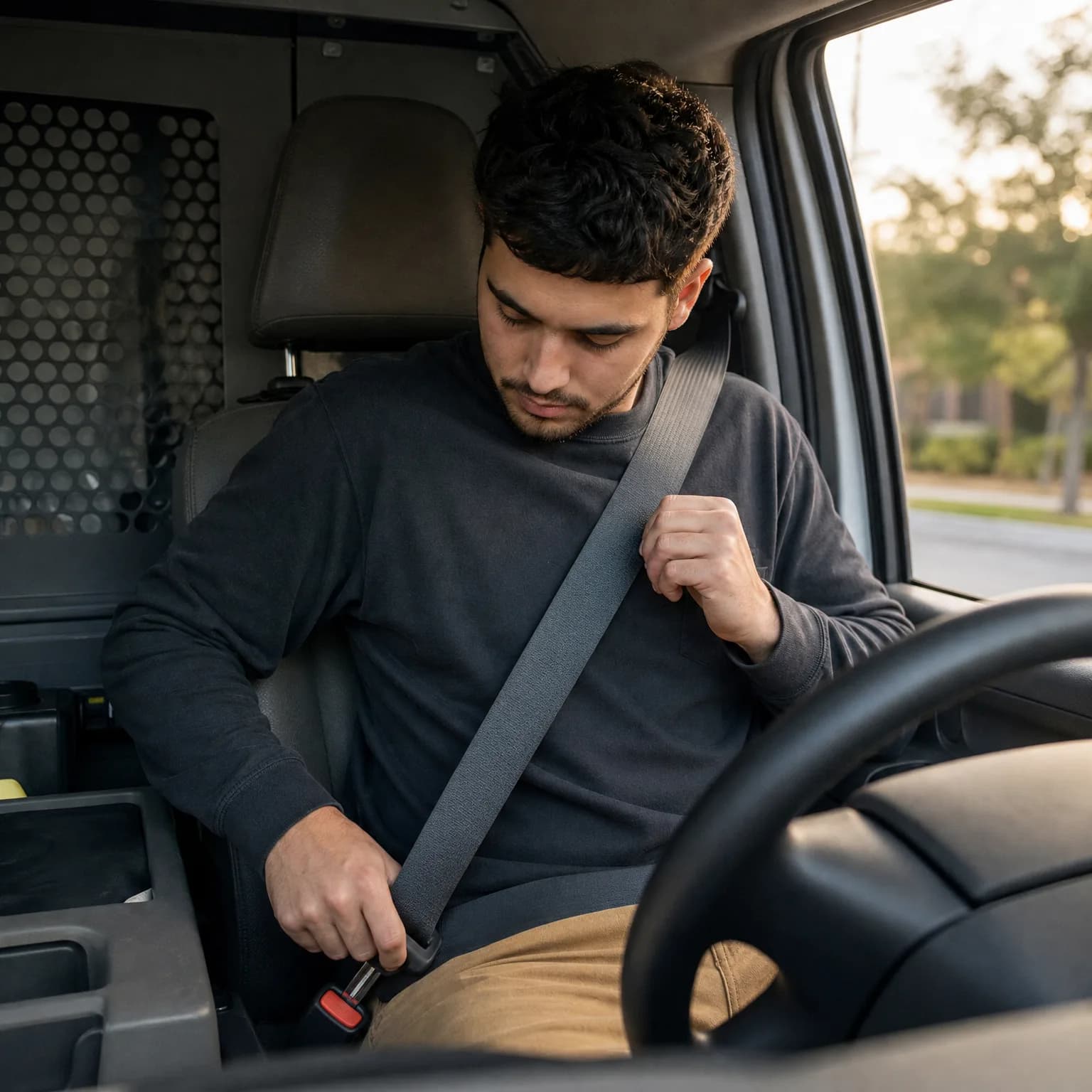
Full Coverage Car Insurance in Kansas
7/15/2026
Comprehensive Coverage Multi-Car Kansas
7/15/2026

Structuring Collision Across Multiple Vehicles
Kansas households with multiple vehicles typically structure collision in one of three patterns. Pattern one: collision on every financed or leased vehicle, none on vehicles owned outright. This is the lender-driven default. Pattern two: collision on the two newest or highest-value vehicles, comprehensive-only or liability-only on older cars. This balances protection and premium. Pattern three: collision on no vehicles, liability and comprehensive only. This works for households with older paid-off cars and cash reserves to replace a totaled vehicle.
The multi-car discount applies to the base policy, not to collision coverage. Adding or dropping collision on one vehicle does not eliminate the multi-car discount, but it does re-rate the policy. When you remove collision from an older vehicle mid-term, the carrier refunds the pro-rated premium for the remaining term. When you add collision to a newly-purchased vehicle, the carrier charges the pro-rated amount from the addition date forward.
Deductible choice affects premium more than coverage presence. If you can, the higher deductible saves money over time.
2,588,185
Kansas Registered Vehicles
Kansas registered 2.6 million motor vehicles in 2022 across 2.05 million licensed drivers, meaning many households insure multiple cars on one policy.
Kansas Department of Revenue, 2022

When Collision Makes Sense and When It Does Not
Collision makes sense when vehicle value exceeds your household's cash reserves to replace it, when you finance or lease the car, or when the vehicle is new enough that repair costs after a crash would exceed what you can pay out of pocket.
Collision does not make sense when annual premium approaches or exceeds 10% of vehicle value, when the car is old enough that a minor crash totals it, or when your household has enough cash on hand to replace the vehicle without insurance proceeds.
Compare Carriers That Write Kansas Multi-Car Policies
Collision premium varies widely across carriers writing Kansas multi-car policies. Geico, Progressive, State Farm, Farmers, and Allstate all write multiple-vehicle households in Kansas and price collision differently based on vehicle age, value, and your household's driving history. American Family, Shelter, and Auto-Owners write Kansas policies through agents and may offer lower collision premiums for households with older paid-off vehicles.
Get quotes from at least three carriers and compare collision premium per vehicle, not just the total policy premium. One carrier may quote lower liability rates but higher collision costs. Another may offer a better collision rate on newer vehicles but price older cars uncompetitively. The best policy for your household is the one that prices each vehicle's coverage accurately, not the one with the lowest top-line number.
How to Decide Which Vehicles Need Collision
Start with each vehicle's current market value. Use NADA, Kelley Blue Book, or recent sale prices for comparable year-make-model vehicles in your area. Write down the actual cash value for every car on your policy. Carriers price collision per vehicle based on value, age, and repair cost, so the premium varies across your fleet.
Compare annual collision premium to vehicle value. A conventional threshold: if annual collision premium exceeds 10% of the vehicle's value, the coverage costs more than it is worth. The threshold is not a rule; it is a heuristic. The real question is whether your household can replace the vehicle out of pocket if it totals. If yes, collision is optional. If no, carry it.
Get Your Free Quote
Get My Kansas Car Insurance QuoteFrequently Asked Questions
Does Kansas require collision coverage on all vehicles?
No. Kansas does not require collision coverage on any vehicle you own outright. The state mandates liability minimums of $25,000/$50,000/$25,000, personal injury protection, and uninsured motorist coverage. Collision is optional unless your lender requires it.
Can I carry collision on one car and drop it from another on the same policy?
Yes. Collision coverage is priced and applied per vehicle. You can carry collision on your newer sedan and drop it from your older truck on the same Kansas multi-car policy. The multi-car discount remains intact.
How much does collision coverage cost for multiple vehicles in Kansas?
Collision premium varies by vehicle value, age, deductible, and carrier. Newer high-value vehicles cost more to insure than older paid-off cars. Compare quotes from Geico, Progressive, State Farm, and Farmers for Kansas-specific rates.
What happens if I total a car that does not have collision coverage?
You receive nothing from your own carrier. If another driver caused the crash and carries liability insurance, you file a claim against their property damage coverage. If the at-fault driver is uninsured, your uninsured motorist property damage coverage may pay, but Kansas does not require that coverage on all policies.
Should I drop collision from an older vehicle to lower my premium?
Drop collision when annual premium exceeds 10% of the vehicle's actual cash value, or when your household can replace the car out of pocket if it totals.
Does removing collision from one vehicle affect my multi-car discount?
No. The multi-car discount applies to the base policy for insuring multiple vehicles, not to optional coverages like collision. Removing collision from one car re-rates the policy but does not eliminate the discount.