Why Households Ask About Self-Insurance
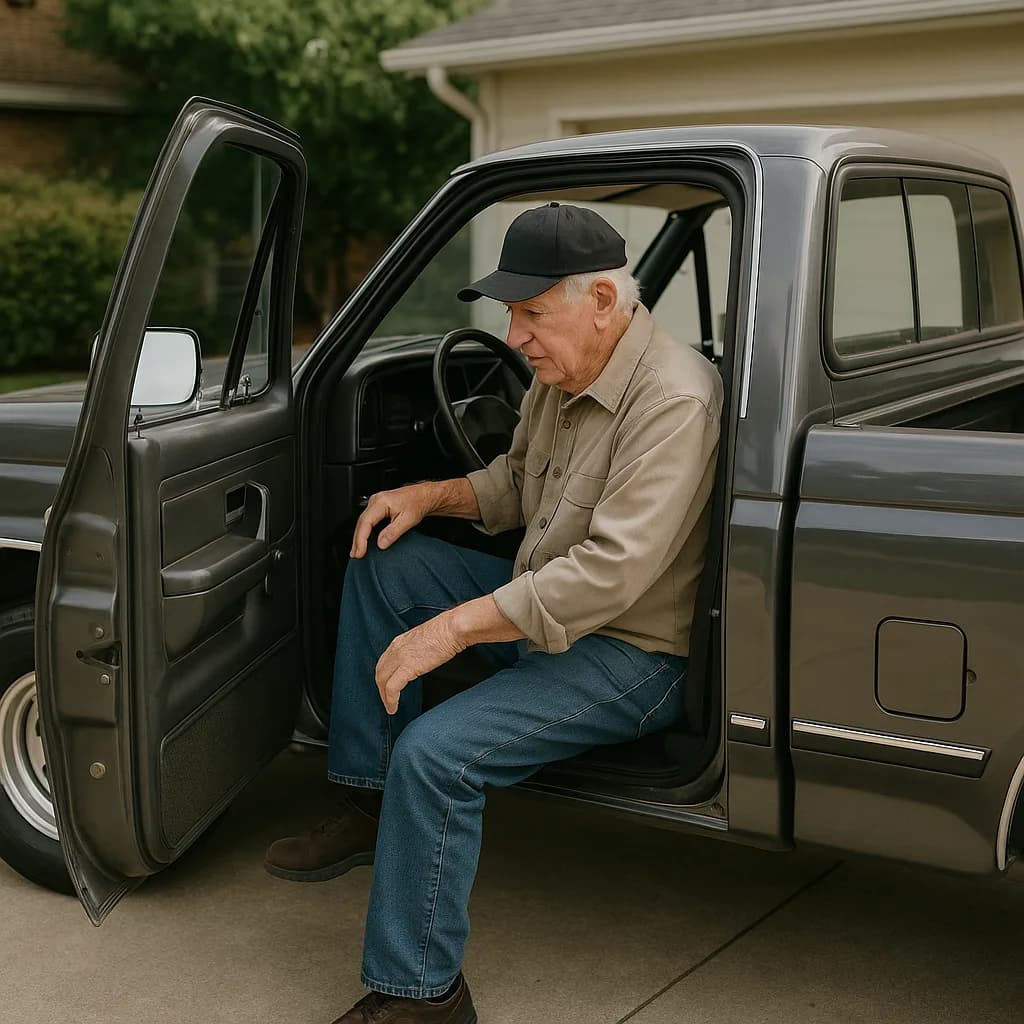
You own two or three vehicles. One sits in the garage most of the year — a classic car, a project vehicle, or a third car a household member rarely drives. You pay full premiums on all three, and you wonder whether Kansas lets you self-insure the rarely-driven vehicle by posting a bond or depositing cash with the state instead of buying a policy.
The question makes structural sense: if you can prove financial responsibility without a carrier, why pay premiums on a car you barely use? The answer turns on Kansas statute, which defines self-insurance narrowly and excludes households entirely.
Compare car insurance rates in your state
Get quotes from licensed carriers — no obligation, no spam, results in minutes.
Get Your Free QuoteKansas Self-Insurance Threshold
25+ vehicles
Kansas statute permits self-insurance only for owners of fleets containing 25 or more motor vehicles registered under a single name. Households with two, three, or even ten vehicles do not qualify.
K.S.A. 40-3104
What Kansas Statute Actually Permits
Kansas Statutes Annotated 40-3104 authorizes the Commissioner of Insurance to issue a certificate of self-insurance to any person who owns 25 or more motor vehicles registered in their name. The certificate substitutes for traditional liability coverage, but only after the applicant demonstrates financial responsibility sufficient to satisfy claims against the entire fleet.
The 25-vehicle threshold is absolute. A household with three cars, five cars, or even fifteen cars cannot apply. The statute targets commercial fleets — trucking companies, delivery services, municipalities — not private owners managing a few vehicles.
Kansas does not offer a bond or cash-deposit option for individual vehicles outside the fleet self-insurance program. You cannot post a $50,000 bond with the Division of Vehicles to exempt one car from the insurance requirement. The state's proof-of-insurance rules require either a traditional policy or a fleet self-insurance certificate; no third path exists for households.
Kansas offers no bond, deposit, or per-vehicle self-insurance path for households — only fleet certification for 25+ vehicles under one owner.
How Kansas Defines Financial Responsibility
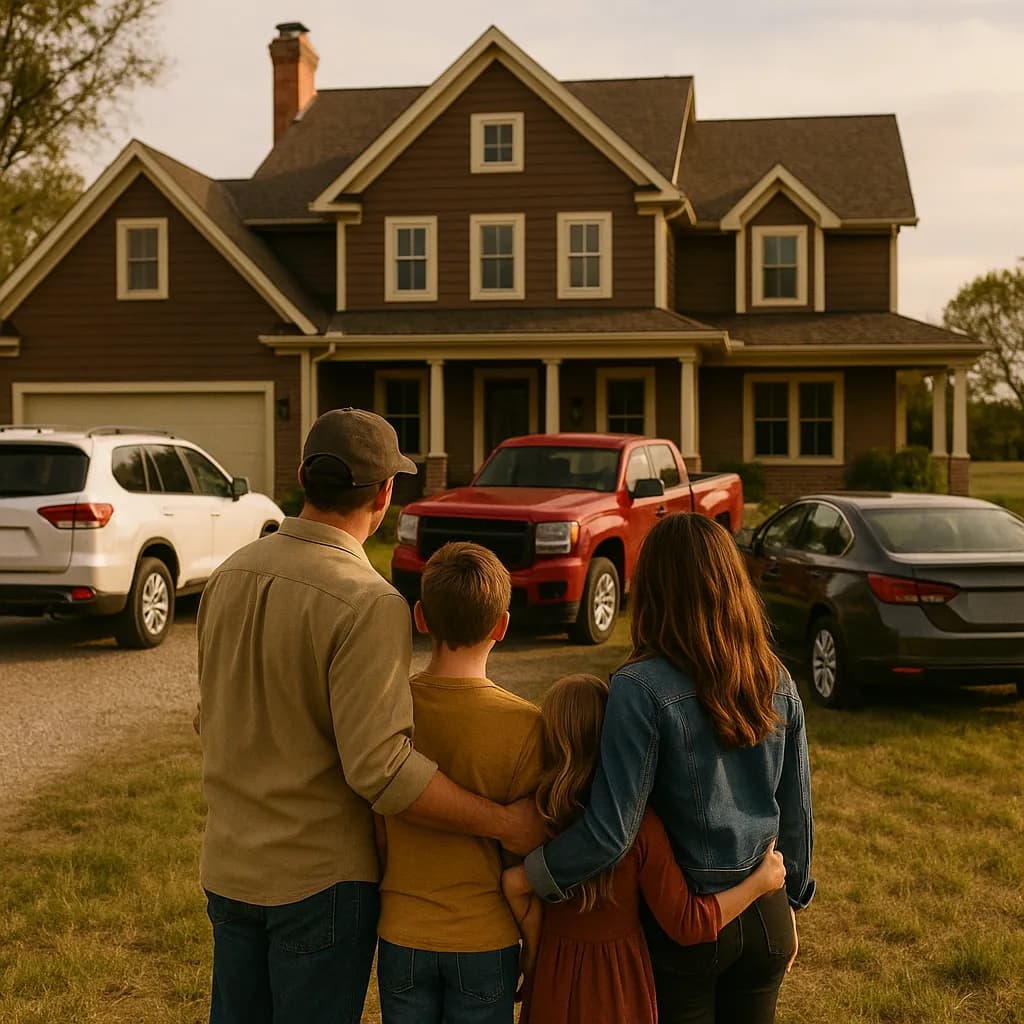
The state's mandatory minimums are $25,000 bodily injury per person, $50,000 bodily injury per accident, and $25,000 property damage per accident. Personal injury protection and uninsured motorist coverage are also required on every policy. These minimums apply to every vehicle you register, regardless of how often you drive it.
A rarely-driven vehicle still must carry coverage. Kansas does not recognize "parked" or "stored" status as an exemption from the insurance requirement. If the vehicle remains registered in your name, it must be insured. The only alternative is to surrender the registration and plates to the Division of Vehicles, removing the car from the road entirely.
Related Articles




What Happens When You Drop Coverage on a Registered Vehicle
Kansas tracks insurance coverage electronically. When a carrier cancels or non-renews a policy, the carrier reports the lapse to the Division of Vehicles within days. The Division then sends a notice demanding proof of insurance or surrender of the registration and plates.
If you do not respond within the notice period, the Division suspends your registration. Driving a vehicle with a suspended registration is a separate traffic offense, and if you are stopped, the officer can impound the vehicle on the spot.
Households sometimes assume they can drop coverage on a third car and simply not drive it. The registration suspension happens whether or not you drive the vehicle. The state does not distinguish between a car you drive daily and one that sits covered in the garage; both must be insured or unregistered.
Kansas Registration Reinstatement Fee
The fee applies even if the vehicle was never driven during the lapse period.
Kansas Department of Revenue, Division of Vehicles
Structuring Coverage Across Multiple Vehicles
If one vehicle in your household is rarely driven, you have two compliant paths: keep it insured on your existing multi-car policy, or unregister it and store it without plates. Unregistering removes the insurance requirement entirely, but also removes your legal ability to drive the car on public roads until you re-register and insure it.
Most households keep the rarely-driven vehicle on the policy. The multi-car discount reduces the incremental cost of adding a third or fourth vehicle, and keeping the car registered preserves the option to drive it without the delay and paperwork of re-registration. Carriers in Kansas writing multi-vehicle policies include State Farm, Geico, Progressive, Farmers, Allstate, and others; the roster above lists carriers confirmed to write in Kansas.
Compare Carriers Writing Multi-Vehicle Policies in Kansas
Kansas does not offer a household-accessible alternative to traditional liability coverage. The self-insurance statute serves commercial fleets, not private owners. Your compliant options are to insure every registered vehicle or to unregister vehicles you do not intend to drive. Carriers writing multi-car policies in Kansas vary in how they rate rarely-driven vehicles; some offer usage-based programs or reduced rates for low-mileage cars, while others apply standard premiums regardless of annual miles. Compare quotes from carriers in the roster above to find the policy that fits your household's vehicle mix and driving patterns.