
Out-of-State Insurance and Kansas Requirements
Free to compare
When Out-of-State Coverage Stops Working in Kansas
You relocated to Kansas with a car insured in another state, or you bought a vehicle while visiting family and drove it back with your existing policy active. The coverage worked at the border, but Kansas registration rules and your carrier's underwriting both impose deadlines that turn valid coverage into a claim denial risk if you miss them.
Kansas grants a 90-day grace period to register a vehicle after you establish residency or bring a car into the state. Your out-of-state policy remains valid during that window, but only if the carrier agrees to insure a Kansas-garaged vehicle under the original state's policy terms. Most carriers will not. Once the grace period closes or the carrier learns the car is garaged in Kansas, the policy must be rewritten with Kansas as the garaging state or the vehicle becomes uninsurable.
“A Kansas-garaged vehicle on an out-of-state policy is uninsurable at claim time once the carrier learns the true address.”

Find Coverage That Keeps You Legal in Kansas
Get My Kansas Car Insurance Quote$25,000 / $50,000 / $25,000
Kansas Minimum Liability Limits
Kansas requires $25,000 bodily injury per person, $50,000 per accident, and $25,000 property damage. Out-of-state policies meeting these minimums satisfy Kansas law during the registration grace period, but the garaging-state mismatch still triggers underwriting rules.
Kansas Department of Revenue, Division of Vehicles
The Garaging-State Rule Carriers Enforce
Every auto insurance policy is underwritten for a specific garaging address. That address determines the risk pool, the rate, and which state's coverage mandates apply. When you move a vehicle to Kansas but leave it on an out-of-state policy, the carrier is rating the risk for the wrong location and the wrong regulatory environment.
Carriers discover garaging-state mismatches in three ways: you update your address with the DMV and the state notifies the carrier, you file a claim and the adjuster sees a Kansas police report for a car supposedly garaged elsewhere, or the carrier runs a periodic address-verification sweep. Once discovered, the carrier will either cancel the policy for material misrepresentation or require you to rewrite it with Kansas as the garaging state. Either outcome leaves you uninsured if you do not act immediately.
Kansas requires personal injury protection and uninsured motorist coverage on every policy. If your out-of-state policy was written in a state that does not mandate these coverages, your policy does not meet Kansas requirements even if the liability limits match. The carrier must add PIP and UM when rewriting the policy for Kansas, which changes both the coverage structure and the premium.
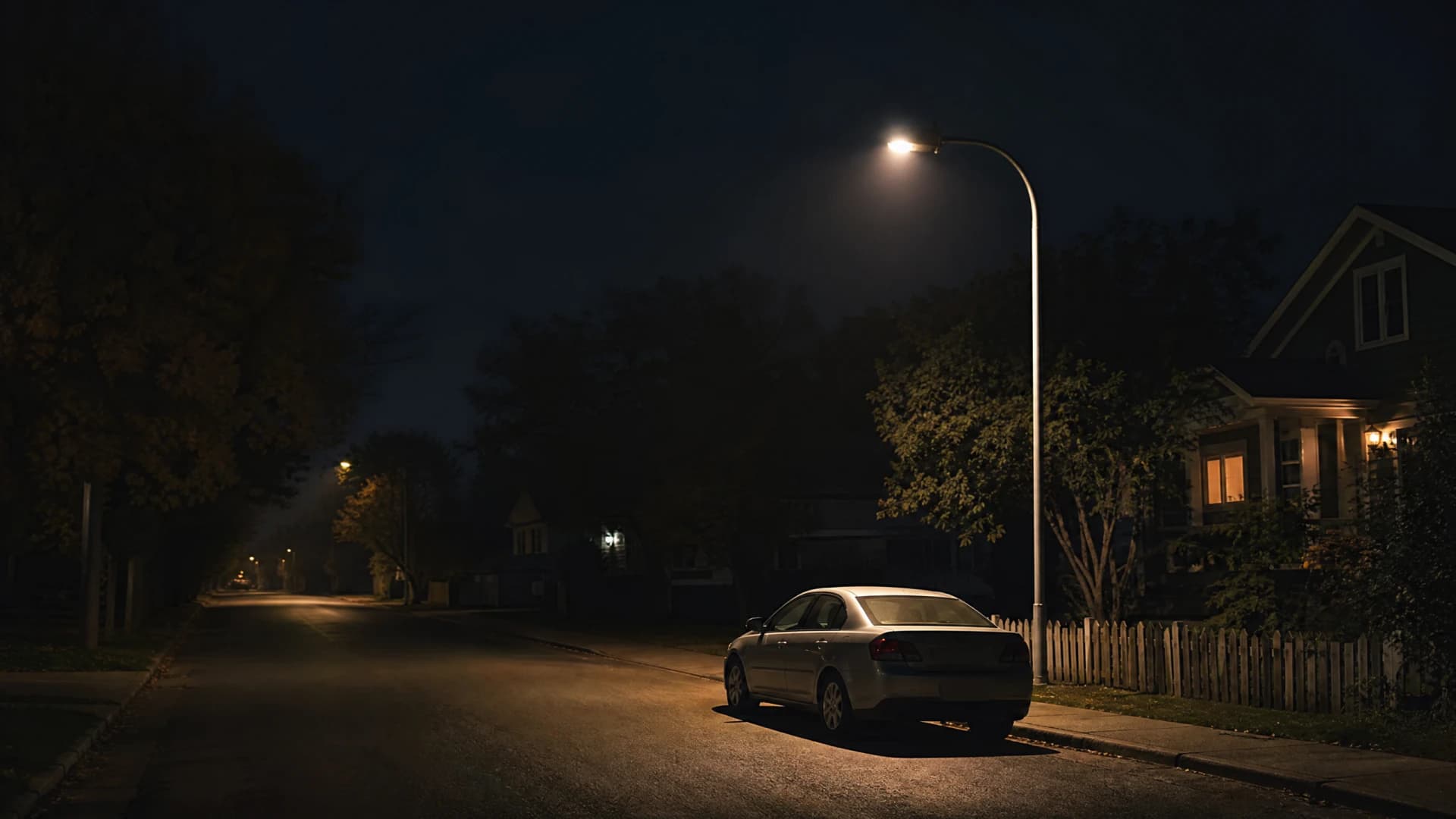
A Kansas-garaged vehicle on an out-of-state policy is uninsurable at claim time once the carrier learns the true garaging address.


The 90-Day Registration Window and What It Protects
Kansas statute grants 90 days to register a vehicle after establishing residency or bringing a car into the state. During that window your out-of-state registration remains valid and Kansas law accepts out-of-state insurance that meets Kansas minimum liability limits. The grace period exists to give you time to complete the title transfer, pass a VIN inspection if required, and obtain Kansas plates without driving illegally.
The grace period does not override your carrier's underwriting rules. If the carrier learns the car is garaged in Kansas before you rewrite the policy, they can cancel for material misrepresentation even if you are still within the 90-day registration window. The statute protects you from a Kansas traffic stop during the grace period, but it does not protect you from a carrier cancellation.
After 90 days Kansas requires you to register the vehicle and obtain Kansas insurance. Driving on out-of-state plates and out-of-state insurance after the grace period closes is a traffic violation. If stopped, you face a fine and the officer can impound the vehicle until you produce proof of Kansas registration and Kansas insurance.
12%
Kansas Uninsured Motorist Rate
Twelve percent of Kansas drivers carry no insurance. Kansas mandates uninsured motorist coverage on every policy to protect you when an at-fault driver cannot pay. Out-of-state policies written in states without a UM mandate do not meet this requirement.
Insurance Research Council, 2023
Splitting Time Between Two States
You own a home in another state and a second residence in Kansas, or you work in Kansas but return to another state on weekends. The car is garaged in both locations depending on the week. Kansas and your carrier both define garaging address as the location where the vehicle is parked most nights over a 12-month period, not where it is titled or where you hold a driver license.
If the car is garaged in Kansas more than half the year, Kansas is the garaging state and the policy must be written for Kansas. If the car is garaged in the other state more than half the year, that state is the garaging state and Kansas accepts the out-of-state policy as valid when you drive in Kansas. The carrier will ask you to declare the primary garaging location when you bind the policy. Declaring the wrong state to obtain a lower rate is material misrepresentation and voids coverage.
Rewriting the Policy for Kansas
Contact your carrier as soon as you know the car will be garaged in Kansas. Provide the new Kansas address, the date you moved or the date the car arrived in Kansas, and ask the carrier to rewrite the policy with Kansas as the garaging state. The carrier will add Kansas-mandated PIP and UM coverages, re-rate the premium, and issue an updated declarations page showing Kansas as the garaging location.
If your carrier does not write policies in Kansas, ask for the cancellation date and bind a new policy with a Kansas-licensed carrier before that date. Kansas requires proof of insurance to register a vehicle, so you must have the new policy in force before you visit the DMV to transfer the title and obtain Kansas plates. Bring the new declarations page, the out-of-state title, a VIN inspection certificate if the vehicle was not previously registered in Kansas, and payment for registration fees.
What Happens When You Notify the Carrier
If the carrier writes policies in Kansas, they will rewrite your policy with Kansas as the garaging state, add the state-mandated PIP and UM coverages, and re-rate the premium based on Kansas risk factors. The new premium may be higher or lower than your out-of-state rate depending on your county, your driving record, and how Kansas rates compare to your prior state. The policy remains continuous with no lapse, but the coverage terms and cost change immediately.
If the carrier does not write policies in Kansas, they will cancel your policy effective the date you moved or the date you notified them, whichever the policy terms specify. You must find a Kansas-licensed carrier and bind a new policy before the cancellation takes effect or you lose continuous coverage.
Get Your Free Quote
Get My Kansas Car Insurance QuoteFrequently Asked Questions
Can I keep my out-of-state insurance after moving to Kansas?
Kansas accepts out-of-state insurance for 90 days after you establish residency. After that your policy must list Kansas as the garaging state or the carrier can deny claims. Contact your carrier immediately after moving to rewrite the policy for Kansas.
What happens if my carrier does not write policies in Kansas?
The carrier will cancel your policy effective the date you moved or the date you notified them. You must bind a new policy with a Kansas-licensed carrier before the cancellation date to avoid a lapse and the penalties Kansas imposes for driving uninsured.
Does my out-of-state policy meet Kansas coverage requirements?
Kansas requires $25,000/$50,000/$25,000 liability, personal injury protection, and uninsured motorist coverage. If your out-of-state policy was written in a state without PIP or UM mandates, it does not meet Kansas requirements even if the liability limits match.
How does Kansas define garaging address for insurance purposes?
Kansas defines garaging address as the location where the vehicle is parked most nights over a 12-month period. If you split time between two states, the state where the car is garaged more than half the year is the garaging state for insurance and registration.
What is the penalty for driving in Kansas without Kansas insurance after the grace period?
The officer can impound the vehicle until you produce proof of Kansas registration and Kansas insurance.