
Minimum Coverage vs Full Coverage — Kansas
Free to compare
The Question Every Kansas Multi-Car Household Faces
You own two or more cars. Kansas requires $25,000 bodily injury per person, $50,000 per accident, and $25,000 property damage on every vehicle you register. The state also mandates personal injury protection and uninsured motorist coverage. You're wondering whether meeting those minimums is enough, or whether you need full coverage on every car.
The structural reality: Kansas minimum liability protects other drivers when you cause an accident. It does not repair or replace your own vehicle. Full coverage adds collision and comprehensive, which pay for damage to your car regardless of fault. The decision is not all-or-nothing across your household — you choose coverage level vehicle by vehicle, based on what each car is worth and what you can afford to lose.
“Kansas minimum liability protects other drivers when you cause an accident — it does not repair or replace your own vehicle.”
Find Coverage That Keeps You Legal in Kansas
Get My Kansas Car Insurance Quote$25,000
Kansas Property Damage Minimum
Kansas requires $25,000 property damage liability per accident. That limit covers damage your vehicle causes to someone else's car or property, not damage to your own vehicle.
Kansas Department of Revenue, Division of Vehicles
What Kansas Minimum Liability Actually Covers
Kansas minimum liability consists of three components: $25,000 bodily injury per person, $50,000 bodily injury per accident, and $25,000 property damage per accident. These limits apply when you cause an accident and injure another driver or damage their property. The state also mandates personal injury protection, which covers your own medical expenses and lost wages up to the policy limit you select, and uninsured motorist coverage, which protects you when an at-fault driver has no insurance.
What minimum liability does not cover: damage to your own vehicle, theft of your car, hail or storm damage, hitting a deer, or any other loss that does not involve injuring another person or damaging their property. If you carry only minimum liability and your car is totaled in a crash you caused, you pay the replacement cost yourself.
For a household with multiple vehicles, this creates a vehicle-by-vehicle decision. A newer car with a loan may require full coverage under the lender's terms. An older car you own outright may not justify the added premium. The choice is not binary across your entire policy.
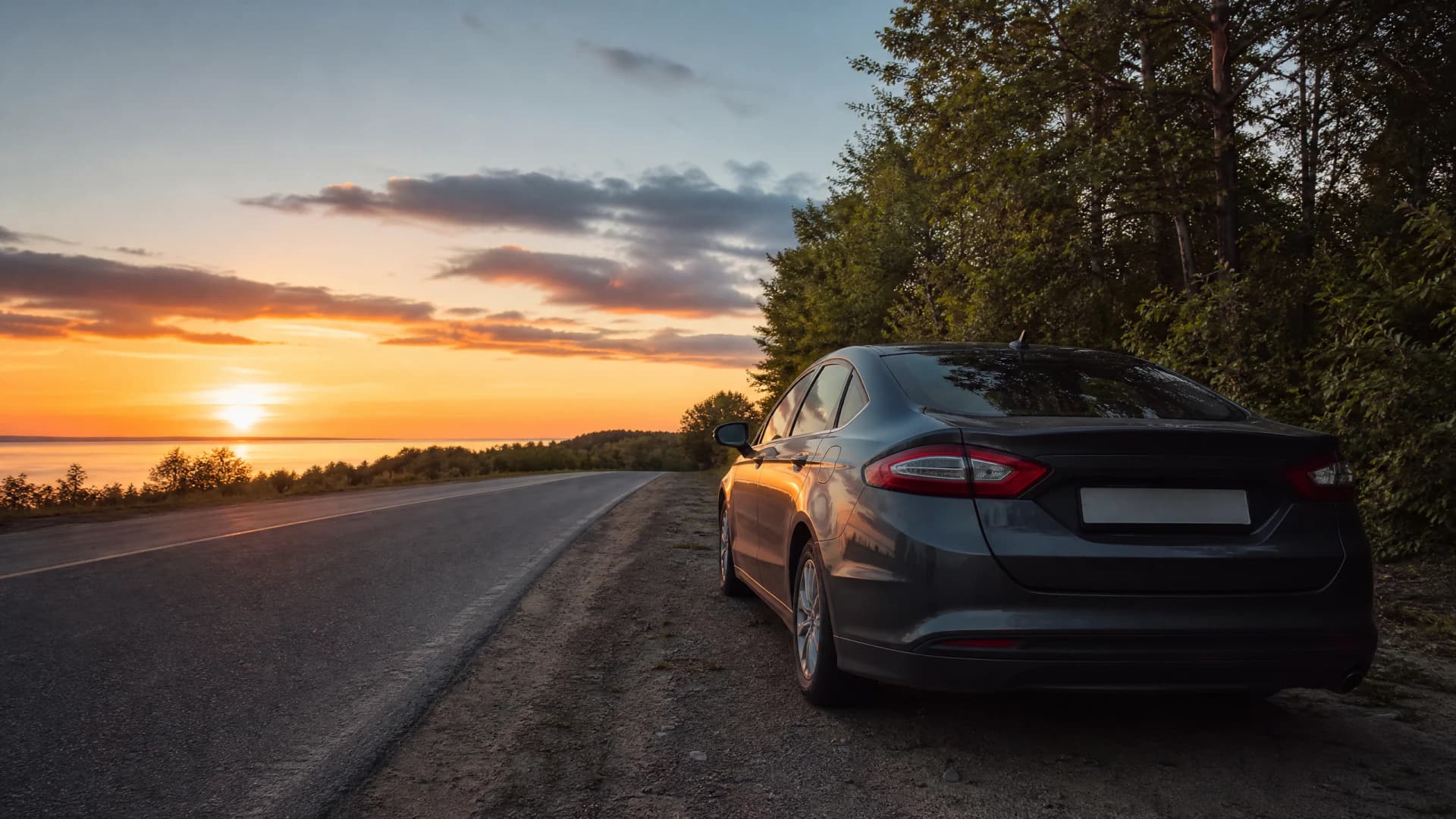
Kansas minimum liability leaves every vehicle in your household uninsured for collision, theft, and comprehensive losses. You pay replacement cost out of pocket.
Related Articles


How Deductibles Shape the Full Coverage Decision
Full coverage requires choosing a collision deductible and a comprehensive deductible. Common options include $500 or $1,000. The deductible is what you pay out of pocket before the carrier pays the rest. A higher deductible lowers your premium but increases what you pay at claim time.
For multi-car households, deductible choice can vary by vehicle. A newer car with higher replacement cost might justify a lower deductible to minimize out-of-pocket expense after a crash. An older car might pair with a higher deductible to keep the premium low, accepting that a total loss may not trigger a claim at all if the payout minus deductible is negligible.
The deductible you choose does not apply to liability coverage. Liability has no deductible — the carrier pays the other driver's claim up to your policy limits. Deductibles apply only to collision and comprehensive, the coverages that repair your own car.
12%
Kansas Uninsured Motorist Rate
Twelve percent of Kansas drivers have no insurance. Uninsured motorist coverage, which Kansas mandates, protects you when an at-fault driver cannot pay for the damage they caused.
Insurance Research Council, 2023

Structuring Coverage Across Multiple Vehicles
Kansas allows you to carry different coverage levels on different vehicles under the same policy. Every car must meet the state's minimum liability and mandatory coverage requirements, but collision and comprehensive are optional on any vehicle you own outright. This flexibility lets you tailor coverage to each car's value and your household's risk tolerance.
A typical multi-car household structure: full coverage on financed vehicles and newer cars with significant replacement cost, minimum liability on older paid-off cars with low market value. The multi-car discount applies to the entire policy, so adding a third or fourth vehicle at minimum liability still reduces the per-vehicle cost compared to separate policies.
Compare Carriers That Write Your Household's Vehicles
Kansas has 21 carriers writing auto insurance in the state, including Allstate, American Family, Farmers, Geico, Progressive, State Farm, and USAA. Not every carrier offers the same multi-car discount structure, and not every carrier writes the same coverage tiers. Some specialize in preferred-risk households with clean records; others write non-standard policies for drivers with violations or lapses.
When you're deciding between minimum and full coverage across multiple vehicles, compare quotes that reflect your actual household: the number of cars, the coverage level you want on each, and the deductibles that match your budget. A carrier with a strong multi-car discount but higher base rates may cost more than a carrier with a smaller discount and lower starting premiums. The only way to know is to quote the exact structure you need and compare the total policy cost, not the discount percentage alone.
When Full Coverage Makes Sense for Each Vehicle
If a car is financed or leased, the lender almost always requires collision and comprehensive until the loan is paid off. If you own the car outright, the decision is yours. A common rule of thumb: if the vehicle's current value is less than ten times the annual cost of collision and comprehensive coverage, dropping those coverages and self-insuring may make sense.
For households with multiple cars, this calculation runs separately for each vehicle. You might carry full coverage on a 2022 sedan with a loan and minimum liability on a 2008 truck you use for errands. Kansas does not require uniform coverage across every car on your policy. The multi-car discount applies to the policy as a whole, but coverage levels vary by vehicle.
Get Your Free Quote
Get My Kansas Car Insurance QuoteFrequently Asked Questions
Does Kansas require full coverage on every car I own?
No. Kansas requires minimum liability, personal injury protection, and uninsured motorist coverage on every registered vehicle. Collision and comprehensive are optional unless your lender requires them. You can carry full coverage on some cars and minimum liability on others under the same policy.
What happens if I total my car with only minimum liability?
You pay the replacement cost yourself. Kansas minimum liability covers damage you cause to other drivers and their property, not damage to your own vehicle. If you carry only liability and total your car in an at-fault crash, the carrier pays nothing toward your vehicle's repair or replacement.
Can I drop full coverage on one car but keep it on another?
Yes. Kansas allows different coverage levels on different vehicles under the same policy, as long as every car meets the state's minimum liability and mandatory coverage requirements. You might carry full coverage on a financed car and minimum liability on an older paid-off vehicle.
Does the multi-car discount apply if I carry different coverage on each car?
Yes. The multi-car discount applies to the policy as a whole, not to individual vehicles. You can carry full coverage on one car and minimum liability on another and still receive the discount for insuring multiple vehicles on the same policy.
How do I know if full coverage is worth it for an older car?
Compare the car's current market value to the annual cost of collision and comprehensive coverage. If the vehicle is worth less than ten times the annual premium for those coverages, dropping them and self-insuring the replacement cost may make more sense than paying for coverage that would pay out less than you've spent in premiums.
What is the difference between collision and comprehensive coverage?
Collision covers damage from crashes with other vehicles or objects, regardless of fault. Comprehensive covers theft, vandalism, weather damage, animal strikes, and other non-collision losses. Both are optional in Kansas unless your lender requires them, and both require you to choose a deductible.