
Property Damage Liability Coverage — Kansas
Free to compare
Kansas Requires Property Damage Liability Coverage
Kansas law requires property damage liability coverage on every registered vehicle. This is not optional. The state sets a minimum limit of $25,000 per accident, which means your policy must cover at least that amount of damage you cause to another person's property in a single collision.
Property damage liability is one of three mandatory liability components in Kansas. The other two are bodily injury per person and bodily injury per accident. Together, these three limits form the minimum liability insurance you must carry to register a vehicle and drive legally in the state.
“The $25,000 property damage minimum is a per-accident cap, not a per-vehicle limit — one collision damaging multiple vehicles can exceed it quickly.”

Find Coverage That Keeps You Legal in Kansas
Get My Kansas Car Insurance Quote$25,000
Kansas Property Damage Minimum
Kansas statute sets the property damage liability minimum at $25,000 per accident. This is the floor, not the ceiling — you can purchase higher limits, and many drivers do to protect assets beyond the minimum.
Kansas minimum liability statute
What Property Damage Liability Covers
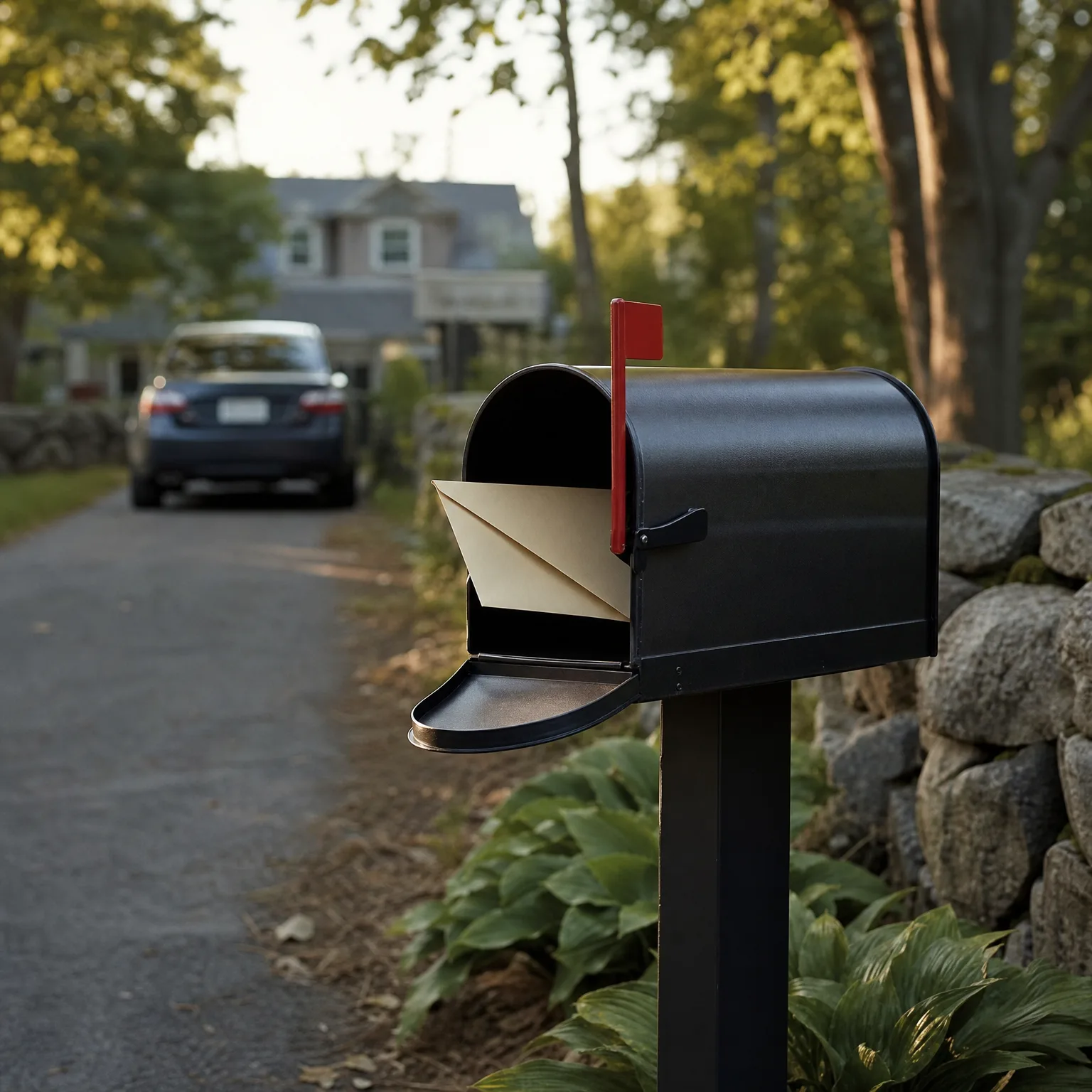
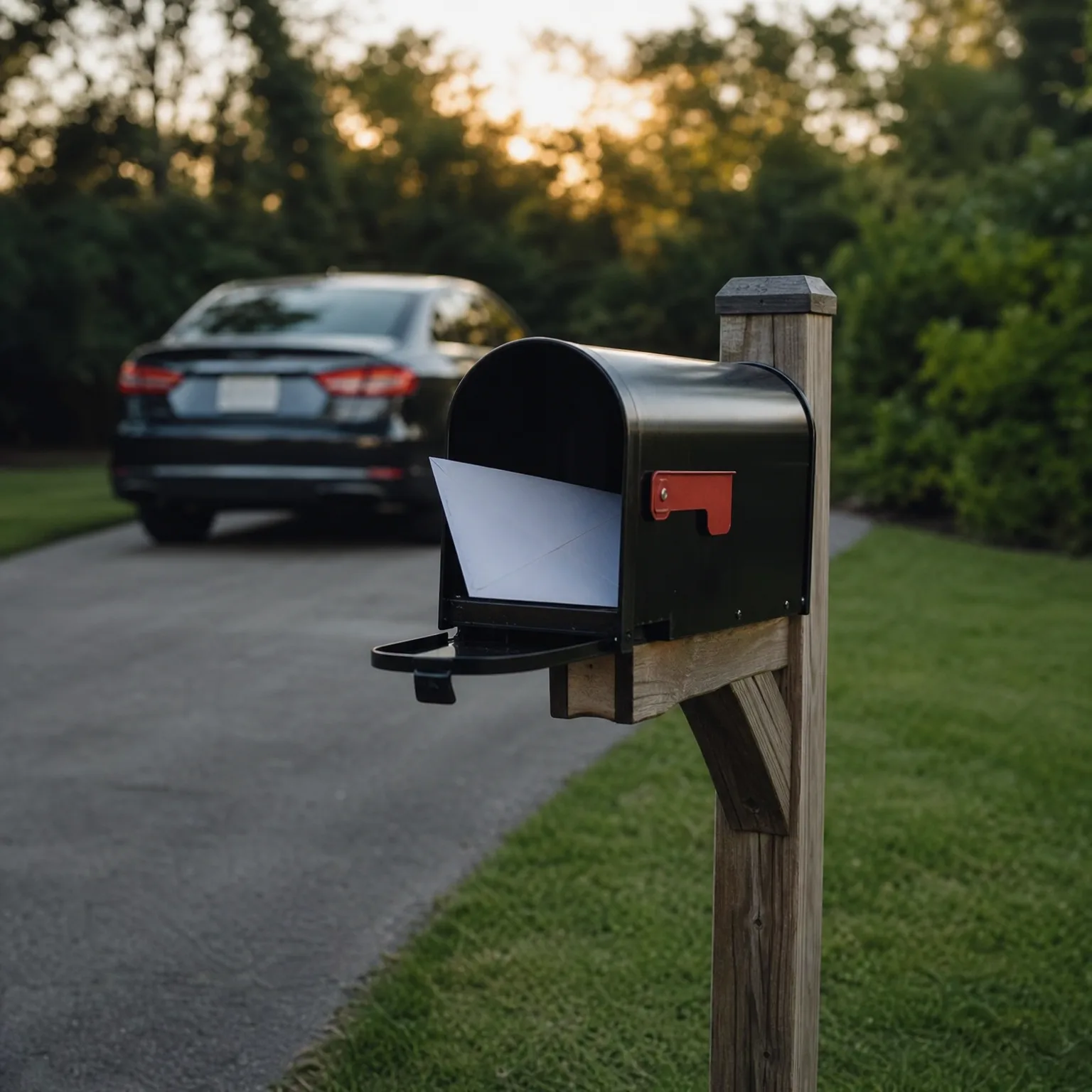
Property damage liability pays for damage you cause to someone else's property when you are at fault in an accident. The most common claim is damage to another vehicle, but the coverage also applies to fences, buildings, mailboxes, and other structures you hit.
The $25,000 limit is per accident, not per vehicle. If you cause a multi-car collision and damage three vehicles, the $25,000 is the total your policy pays across all three. If the combined damage exceeds $25,000, you are personally responsible for the difference.
Property damage liability does not cover your own vehicle. It pays only for damage to property belonging to others. Damage to your own car is covered by collision coverage, which is optional in Kansas unless required by a lender.
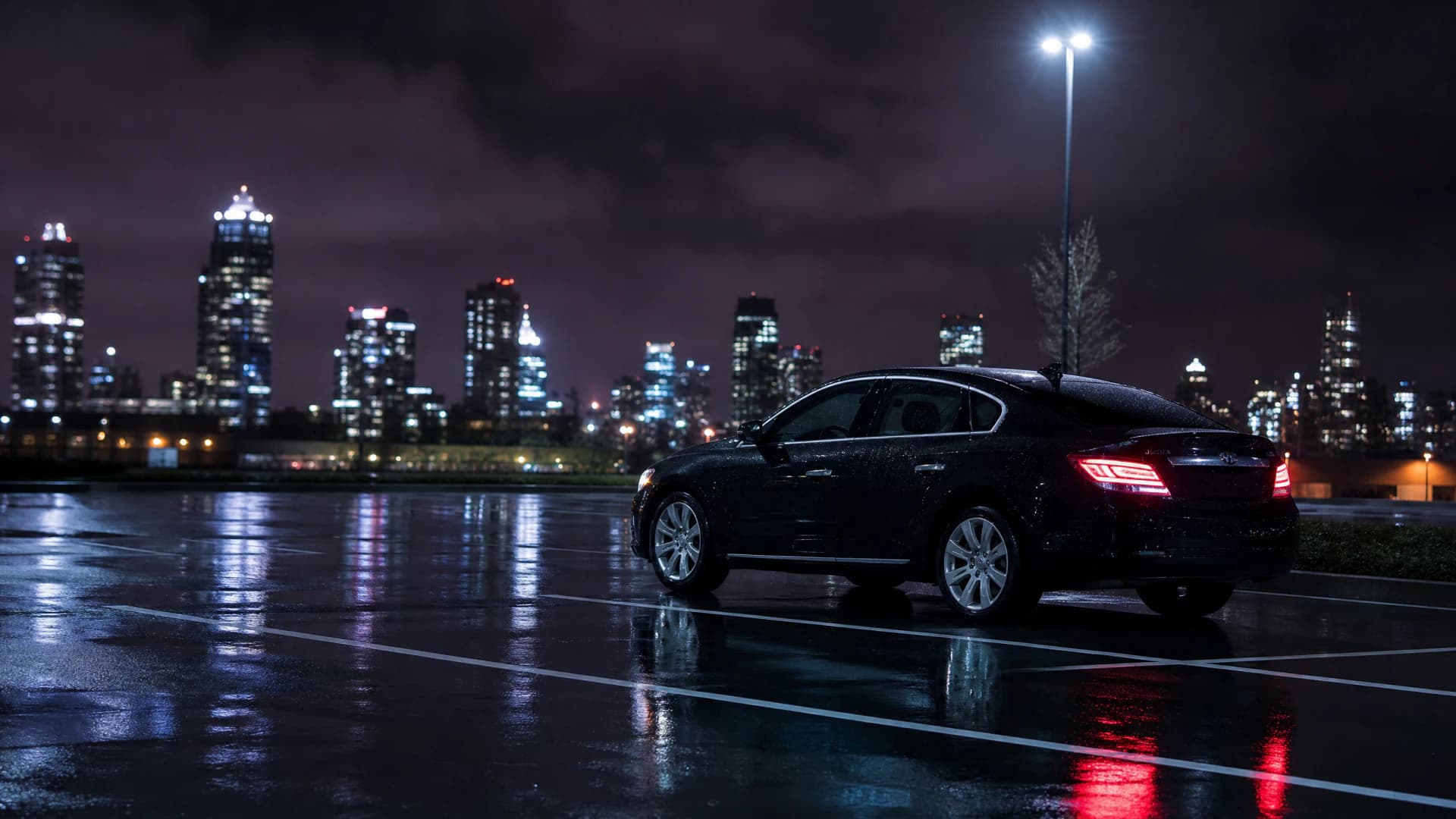
The $25,000 minimum is a per-accident cap, not a per-vehicle limit. One accident damaging multiple vehicles can exceed the minimum quickly.

When the Minimum Is Not Enough
The $25,000 property damage minimum is low relative to the cost of repairing or replacing modern vehicles. A collision that totals a newer SUV or damages multiple vehicles can easily exceed $25,000. If the damage you cause surpasses your policy limit, you are personally liable for the difference.
Kansas also requires uninsured motorist coverage, which protects you when an at-fault driver has no insurance or insufficient coverage. The uninsured motorist property damage component can cover damage to your vehicle when the other driver cannot pay, but it does not increase your liability coverage — it protects you, not the other party.
Many drivers carry higher property damage limits to protect assets beyond the minimum. Liability insurance is the foundation of any auto policy, and the property damage component is one of the three required pieces.
12%
Kansas Uninsured Motorist Rate
Twelve percent of Kansas motorists drive without insurance. This is why the state mandates uninsured motorist coverage alongside liability — the risk of collision with an uninsured driver is material, and the uninsured motorist property damage component protects your vehicle when the at-fault driver has no coverage.
Insurance Research Council, 2023

Proof of Insurance and Enforcement
Kansas requires proof of insurance at registration and during traffic stops. Acceptable proof includes an insurance card issued by your carrier, a digital insurance card displayed on your phone, or an SR-22 certificate if you are required to file one. The proof must show that your policy meets or exceeds the state's minimum liability limits, including the $25,000 property damage component.
Driving without the required property damage liability coverage is a violation. Penalties include fines, license suspension, and vehicle registration suspension.
Compare Carriers That Write Kansas Minimum Coverage
Every carrier writing auto insurance in Kansas must offer policies that meet the state's minimum liability requirements, including the $25,000 property damage limit. Premiums for the same coverage vary by carrier, driving history, vehicle, and location within the state. Comparing quotes from multiple carriers ensures you meet the requirement at the best available rate for your situation. Kansas licenses dozens of carriers, and many write policies for drivers with clean records, violations, or lapses in coverage. Enter your vehicles and coverage needs to see which carriers write your household and what they charge for the required property damage liability coverage.
How the Three-Part Liability Requirement Works
The state requires $25,000 bodily injury coverage per person, $50,000 bodily injury per accident, and $25,000 property damage per accident. These are minimums — you can purchase higher limits. The bodily injury per-person limit is the maximum your policy pays for injuries to one individual. The per-accident limit is the total your policy pays for all injuries in one collision. The property damage limit is the total your policy pays for all property damage in one collision.
These three limits are written as 25/50/25 in shorthand. When you compare policies or request quotes, carriers present liability limits in this format. The first number is bodily injury per person, the second is bodily injury per accident, and the third is property damage per accident. Kansas law requires at least 25/50/25, but you can purchase 50/100/50, 100/300/100, or any higher combination.
Get Your Free Quote
Get My Kansas Car Insurance QuoteFrequently Asked Questions
Is property damage liability required in Kansas?
Yes. Kansas law requires $25,000 property damage liability coverage per accident on every registered vehicle. This is one of three mandatory liability components.
What does Kansas property damage liability cover?
Property damage liability pays for damage you cause to another person's property when you are at fault. This includes other vehicles, fences, buildings, and structures. It does not cover your own vehicle.
What is the minimum property damage liability limit in Kansas?
Kansas requires a minimum of $25,000 property damage liability per accident. This is the total your policy pays for all property damage in one collision, regardless of how many vehicles or structures you damage.
Can I buy higher property damage liability limits in Kansas?
Yes. The $25,000 minimum is the floor.
What happens if I cause more than $25,000 in property damage?
You are personally liable for the difference.
Does property damage liability cover my own car?
No. Property damage liability covers only damage to property belonging to others. Damage to your own vehicle is covered by collision coverage, which is optional unless required by your lender.