Kansas No-Fault Insurance Rules — Kansas
Free to compare
Kansas Uses Tort Liability, Not No-Fault
Kansas is not a no-fault state. It operates under a traditional tort liability system, meaning the driver who caused the crash is financially responsible for injuries and property damage. You can file a claim against the at-fault driver's liability insurance, and you can sue that driver directly if their coverage doesn't cover your losses.
The confusion arises because Kansas mandates Personal Injury Protection (PIP) coverage on every auto policy. PIP pays your medical bills and lost wages after a crash regardless of who was at fault, which makes it function like no-fault coverage for medical expenses. But that doesn't make Kansas a no-fault state — fault still determines who pays for vehicle damage and who can be sued for pain and suffering.
“Kansas PIP pays your medical bills first, but the at-fault driver's liability insurance still pays for your vehicle damage.”
Find Coverage That Keeps You Legal in Kansas
Get My Kansas Car Insurance Quote$25,000 / $50,000 / $25,000
Kansas Minimum Liability Limits
Kansas requires $25,000 bodily injury per person, $50,000 bodily injury per accident, and $25,000 property damage. These minimums apply to what you owe others when you cause a crash, not what covers you.
Kansas Department of Revenue, Division of Vehicles
How Fault Assignment Works in Kansas
When a crash happens in Kansas, the at-fault driver's liability insurance pays for the other party's vehicle repairs and medical bills that exceed PIP limits. If you caused the crash, your liability coverage pays the other driver's claims. If the other driver caused it, their liability coverage pays yours.
Kansas uses a modified comparative negligence rule. Your recovery is reduced by your percentage of fault.
This matters when you're managing coverage for multiple vehicles. Each vehicle on your policy carries the same liability limits unless you specify otherwise. If one household driver causes a crash while driving any vehicle on the policy, your liability coverage responds up to the policy limit.
Kansas PIP pays your medical bills first, but the at-fault driver's liability insurance still pays for your vehicle damage and any medical costs PIP doesn't cover.

How Property Damage Claims Work
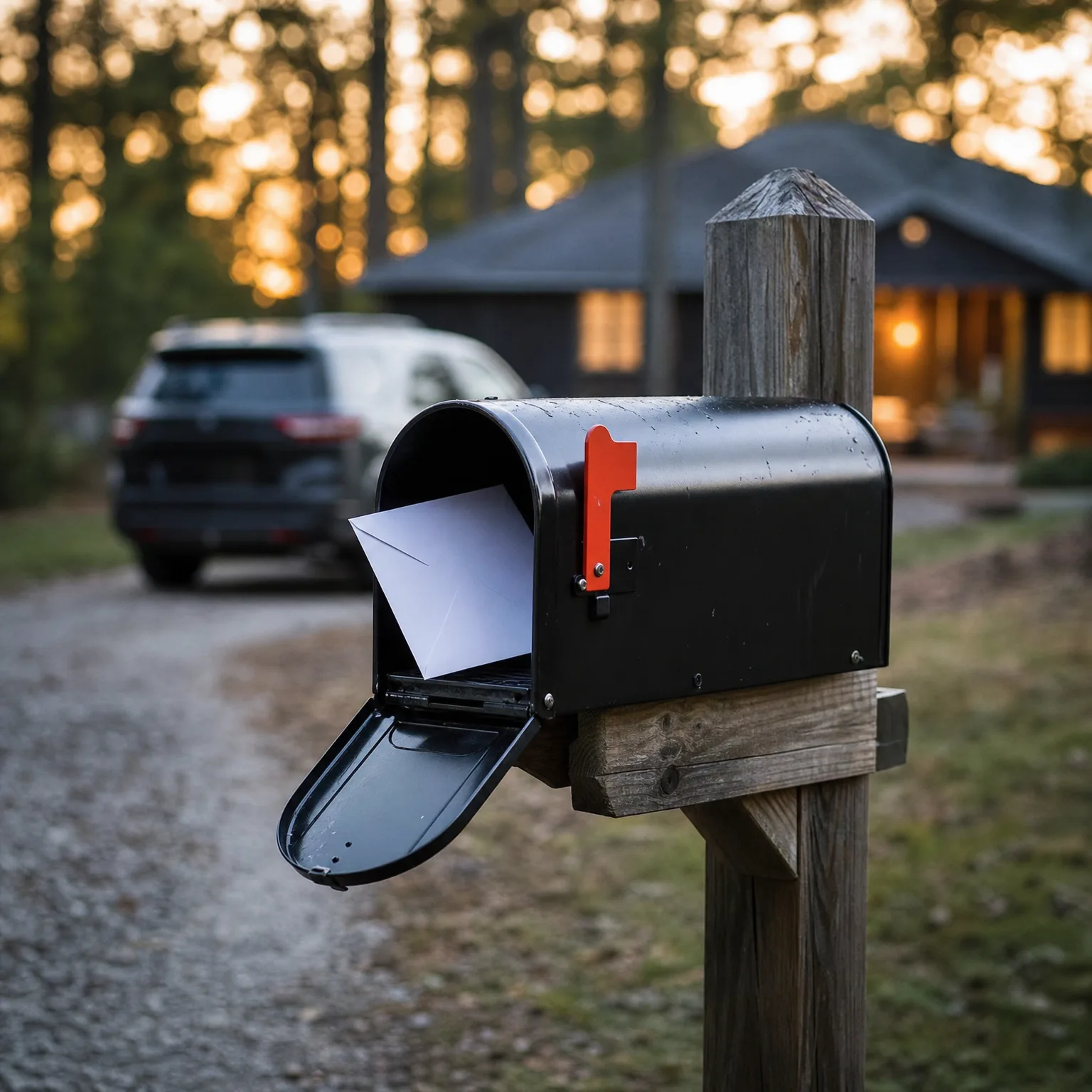
Vehicle damage in Kansas is paid by the at-fault driver's property damage liability coverage. If another driver hits your car and is found at fault, you file a claim against their property damage coverage. If they carry only the $25,000 state minimum and your vehicle damage exceeds that, you collect $25,000 from their insurer and pay the rest yourself unless you carry collision or underinsured motorist property damage coverage.
If you caused the crash, your liability coverage pays the other driver's vehicle repair costs up to your property damage limit. Your own vehicle damage is not covered by liability — you need collision coverage on your policy to repair your own car after an at-fault crash. When you're insuring multiple vehicles, collision is optional on each vehicle. Many households carry collision on newer or financed vehicles and drop it on older paid-off cars to lower premiums.
Kansas does not require collision or comprehensive coverage by law. Lenders require both when a vehicle is financed or leased. Once the vehicle is paid off, you decide whether the coverage is worth the cost based on the vehicle's value and your household's ability to replace it out of pocket.
12%
Kansas Uninsured Motorist Rate
Twelve percent of Kansas drivers carry no insurance. Uninsured motorist coverage is mandatory in Kansas and pays your medical bills and vehicle damage when an at-fault driver has no coverage.
Insurance Research Council, 2023
Why Kansas Requires Uninsured Motorist Coverage
Kansas mandates uninsured motorist (UM) coverage on every policy unless you reject it in writing. UM pays your medical expenses and, if you purchase underinsured motorist property damage (UMPD), your vehicle repair costs when the at-fault driver has no insurance or insufficient coverage. UM limits must match your liability limits unless you choose lower limits in writing.
In a tort state like Kansas, UM coverage protects you when the system breaks down — when the at-fault driver should pay but can't because they're uninsured or underinsured. With 12 percent of Kansas drivers uninsured, UM coverage is the only way to recover your losses without suing an uninsured driver personally, which rarely produces payment even if you win.
Compare Kansas Carriers for Multi-Vehicle Policies
Twenty-one carriers write auto insurance in Kansas, and all must offer the state's mandatory coverages: liability, PIP, and uninsured motorist. When you're insuring multiple vehicles, compare how each carrier prices the mandatory coverages and whether they offer multi-car discounts that apply to every vehicle on the policy. Kansas law requires the same liability, PIP, and UM limits across all vehicles unless you specify otherwise, so adding a second or third vehicle re-rates the entire policy.
Request quotes that reflect your household's actual structure: the number of vehicles, the drivers on the policy, and whether any vehicle is financed (which triggers the lender's collision and comprehensive requirements). Carriers price multi-vehicle policies differently — some offer steep multi-car discounts, others price each vehicle closer to standalone rates. The only way to know which carrier offers the best rate for your household is to compare quotes with identical coverage limits across all vehicles.
What Kansas PIP Actually Covers
Kansas PIP pays medical expenses, rehabilitation costs, lost wages, and essential services (like childcare or housekeeping you can't perform due to injuries) up to the policy limit. PIP pays these expenses for you, your household members, and passengers in your vehicle, regardless of which driver on your policy was behind the wheel.
PIP does not pay for vehicle damage. It does not pay the other driver's bills. It does not prevent the other driver from suing you if you caused the crash. PIP is first-party medical coverage only — it pays your side's medical bills quickly so you're not waiting for fault determination. Once PIP is exhausted, the at-fault driver's bodily injury liability coverage pays remaining medical costs.
Get Your Free Quote
Get My Kansas Car Insurance QuoteFrequently Asked Questions
Can I sue the other driver after a crash in Kansas?
Yes. Kansas is a tort state, so you can sue the at-fault driver for damages their insurance doesn't cover, including pain and suffering, lost wages beyond PIP limits, and property damage beyond their liability limits. PIP pays your medical bills first, but it doesn't prevent you from pursuing a liability claim or lawsuit against the driver who caused the crash.
Does Kansas PIP cover my vehicle damage?
No. PIP covers only medical expenses, lost wages, rehabilitation, and essential services for you and your passengers. Vehicle damage is paid by the at-fault driver's property damage liability coverage, or by your own collision coverage if you carry it. PIP and property damage are separate coverages with separate limits.
What happens if the at-fault driver has no insurance in Kansas?
Your uninsured motorist (UM) coverage pays your medical bills and, if you purchased underinsured motorist property damage (UMPD), your vehicle repairs. Kansas requires UM coverage on every policy unless you reject it in writing. Without UM, you must sue the uninsured driver personally to recover damages, which rarely results in payment.
Do I need collision coverage in Kansas?
Kansas does not require collision coverage by law. Lenders require it when a vehicle is financed or leased. Once paid off, collision is optional. It pays to repair your own vehicle after an at-fault crash or a crash where the other driver is uninsured and you don't carry UMPD. Many households carry collision on newer vehicles and drop it on older paid-off cars.
Can I reject uninsured motorist coverage in Kansas?
Yes, but you must reject it in writing. Kansas law requires carriers to offer UM coverage at limits matching your liability limits. If you reject UM, you have no coverage when an at-fault driver is uninsured, and you must sue that driver personally to recover damages. With 12 percent of Kansas drivers uninsured, rejecting UM leaves significant financial risk.
Does Kansas require the same coverage limits on every vehicle?
Kansas law requires the same liability, PIP, and uninsured motorist limits across all vehicles on a policy unless you specify otherwise in writing. Collision and comprehensive are optional and can vary by vehicle. Most households carry collision on financed or newer vehicles and drop it on older paid-off cars to lower premiums.