
Full Coverage Requirements for Financed Cars — Kansas
Free to compare
The State Requirement Versus the Lender Requirement
You bought a car with financing and the dealer told you full coverage is required. That statement mixes two different obligations: what Kansas law requires to register and drive legally, and what your lender requires to protect their collateral. Kansas does not require full coverage. The state mandates liability insurance — $25,000 per person for bodily injury, $50,000 per accident for bodily injury, and $25,000 for property damage — plus personal injury protection and uninsured motorist coverage. Comprehensive and collision coverage are not state requirements.
Your lender, however, does require comprehensive and collision. The loan contract gives the bank a security interest in the vehicle until you pay off the loan. If the car is totaled or stolen and you carry only liability, the lender loses their collateral while you still owe the balance. The lender protects against that risk by writing a full-coverage requirement into the financing agreement. This is a contractual obligation between you and the bank, not a state insurance law.
“Kansas does not require full coverage — the state mandates liability, PIP, and UM, but your lender requires comprehensive and collision to protect their collateral.”

Find Coverage That Keeps You Legal in Kansas
Get My Kansas Car Insurance Quote$25,000 / $50,000 / $25,000
Kansas Minimum Liability Limits
Kansas requires $25,000 bodily injury per person, $50,000 bodily injury per accident, and $25,000 property damage. Personal injury protection and uninsured motorist coverage are also mandatory. These limits apply whether you own the car outright or finance it.
Kansas Statutes Annotated, auto_insurance_state_data
What Full Coverage Actually Means on a Financed Vehicle
Full coverage is not a single product. It is shorthand for a policy that includes liability, comprehensive, and collision coverage together. Liability covers damage you cause to others. Comprehensive covers damage to your car from events other than collisions — theft, hail, vandalism, fire, animal strikes. Collision covers damage to your car when you hit another vehicle or object, or when your car rolls over.
The lender requires comprehensive and collision because those coverages pay to repair or replace your car when it is damaged or stolen. Liability does not cover your own vehicle. If you carry only liability and total the car, you still owe the full loan balance with no car to drive. Comprehensive and collision protect the lender's collateral, which is why the loan contract makes them mandatory.
Kansas law does not care whether you carry comprehensive or collision. The state only requires that you carry enough liability insurance to cover injuries and property damage you cause to others, plus PIP and uninsured motorist coverage. You could legally drive a paid-off car in Kansas with liability only. But as long as you owe money on the loan, the lender's contract overrides that choice.
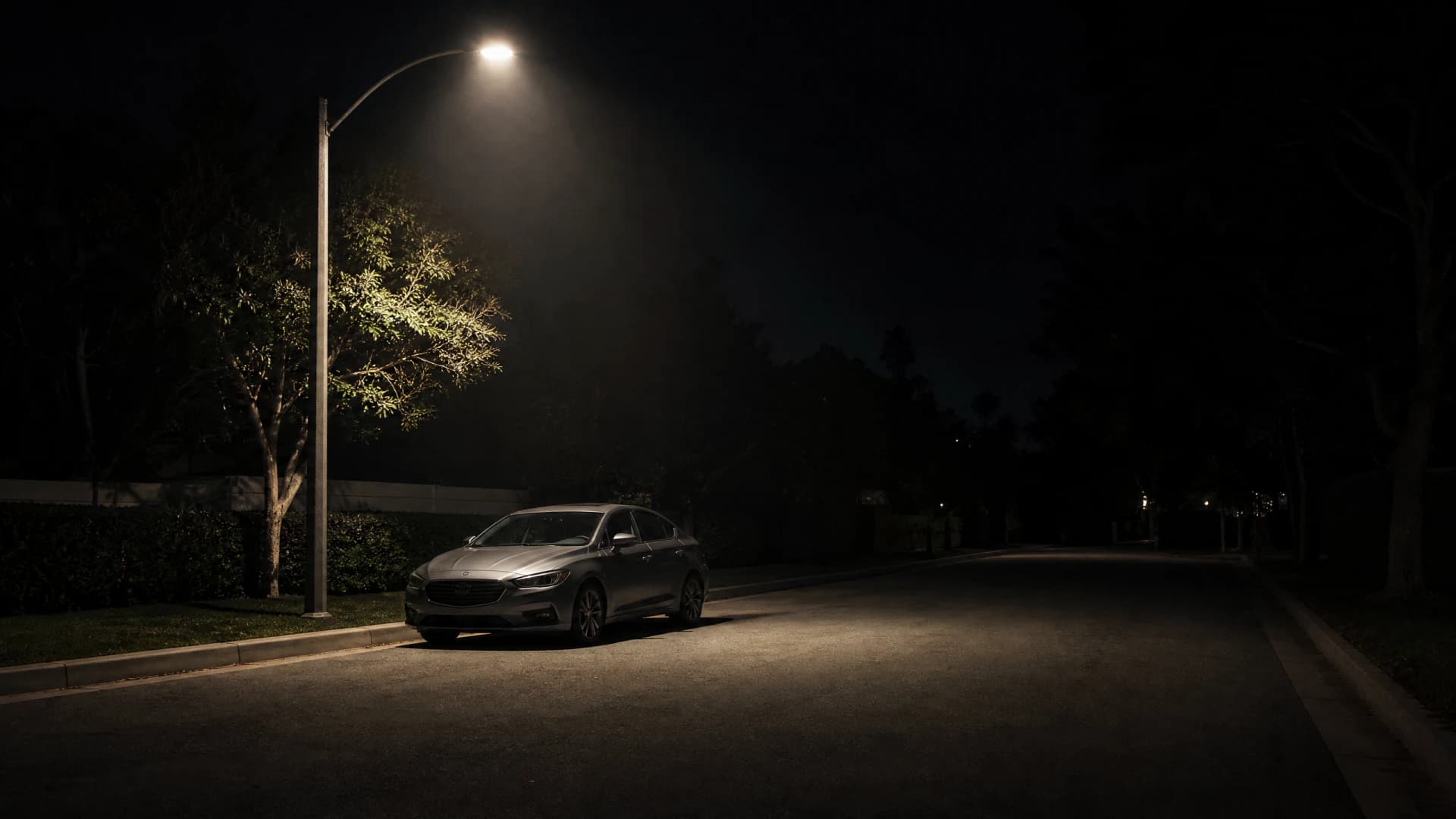
The lender can force-place insurance if you drop comprehensive or collision, and that policy costs far more than coverage you buy yourself.
Related Articles




How to Structure Coverage When You Finance Multiple Vehicles
If you finance more than one vehicle, every financed car on the policy must carry comprehensive and collision. The lender's requirement applies per vehicle, not per policy. You cannot carry full coverage on one financed car and liability-only on another financed car on the same policy — each lender will force-place coverage on their vehicle if you try.
Paid-off vehicles on the same policy can carry liability only, even when financed vehicles on that policy carry full coverage. The multi-car discount applies to the entire policy regardless of coverage level per vehicle. Combining a financed car with full coverage and a paid-off car with liability-only on one policy typically costs less than insuring them separately, because the multi-car discount reduces the per-vehicle base rate.
Deductibles for comprehensive and collision are separate choices per coverage type, not per vehicle. If you carry a $500 collision deductible, that deductible applies to every car on the policy with collision coverage. Some households raise the deductible on older financed vehicles to lower the premium, but the lender contract may set a maximum deductible — typically $1,000 — so check the loan paperwork before selecting a higher amount.
12%
Kansas Uninsured Motorist Rate
Twelve percent of Kansas drivers carry no insurance. Uninsured motorist coverage is mandatory in Kansas and pays your medical bills and vehicle damage when an at-fault driver has no coverage. This coverage applies whether you finance the car or own it outright.
state_insurance_stats, 2023

When You Can Drop Comprehensive and Collision
You can drop comprehensive and collision the day you pay off the loan. Once the lender releases the lien, the contractual full-coverage requirement ends. Kansas law does not require you to carry those coverages on a paid-off vehicle. Many drivers keep comprehensive and collision on newer paid-off cars because the replacement cost justifies the premium, but the decision is yours once the lien is satisfied.
The conventional threshold is vehicle value. If the car is worth less than ten times the annual cost of comprehensive and collision combined, dropping those coverages and self-insuring the replacement risk often makes sense. At that ratio, most households save money by dropping coverage and setting aside the premium savings toward a replacement.
Compare Carriers That Write Kansas Multi-Vehicle Policies
Not every carrier writes the same full-coverage premium for financed vehicles. Base rates vary, and the multi-car discount structure varies. A carrier with a lower base rate and a smaller multi-car discount can cost less overall than a carrier with a higher base rate and a larger discount, especially when one or more vehicles on the policy require full coverage. Comparing quotes from at least three carriers that write Kansas policies gives you the clearest picture of what full coverage will cost across your household's vehicles. Use the site's comparison tool to see which carriers write policies for your vehicle count and coverage needs, then request quotes directly.
What Happens If You Drop Comprehensive or Collision Mid-Loan
Your insurance carrier reports coverage changes to lienholders electronically. When you drop comprehensive or collision, the lender receives a notice within days. The loan contract gives the lender the right to purchase insurance on your behalf — called force-placed or lender-placed insurance — and add the premium to your loan balance. Force-placed policies cost two to ten times more than coverage you buy yourself because the lender buys it without shopping and passes the full cost to you.
Force-placed insurance covers only the lender's interest, not yours. If the car is totaled, the policy pays the lender the loan balance but gives you nothing for your equity or deductible. You lose the car, still owe any deficiency if the payout falls short, and paid a premium far higher than a standard policy. The lender can also declare the loan in default for violating the insurance clause, accelerate the balance, and repossess the vehicle.
Get Your Free Quote
Get My Kansas Car Insurance QuoteFrequently Asked Questions
Does Kansas require full coverage on a financed car?
No. Kansas requires liability insurance with minimum limits of $25,000/$50,000/$25,000, plus personal injury protection and uninsured motorist coverage. Your lender requires comprehensive and collision as a condition of the loan contract, not Kansas law.
Can I drop comprehensive and collision if I still owe money on the car?
You can drop the coverage, but the lender will force-place insurance on the vehicle and add the cost to your loan balance. Force-placed policies cost far more than coverage you buy yourself and cover only the lender's interest, not yours.
What happens if I total a financed car with only liability insurance?
Liability insurance does not cover your own vehicle. If you total the car, you still owe the full loan balance with no car to drive. The lender will also force-place coverage retroactively and may declare the loan in default.
Do I need full coverage on every car if I finance more than one vehicle?
Yes. Each lender requires comprehensive and collision on their vehicle. You cannot carry full coverage on one financed car and liability-only on another financed car on the same policy without triggering force-placed coverage.
When can I drop comprehensive and collision on a financed car?
You can drop comprehensive and collision the day the lender releases the lien after you pay off the loan. Kansas does not require those coverages on a paid-off vehicle.
Does the multi-car discount apply if one car has full coverage and another has liability only?
Yes. The multi-car discount applies to the entire policy regardless of coverage level per vehicle. Combining a financed car with full coverage and a paid-off car with liability-only on one policy typically costs less than insuring them separately.