
Optional Car Insurance Coverages Worth It — Kansas
Free to compare
The Multi-Vehicle Coverage Decision
You've satisfied Kansas's mandatory requirements: $25,000 bodily injury per person, $50,000 per accident, $25,000 property damage, plus personal injury protection and uninsured motorist coverage. Your household insures two or more vehicles on one policy, and now you're deciding which optional coverages to add. The decision is harder than it looks because every optional coverage you select applies to every vehicle on the policy, and the premium compounds accordingly.
A coverage that makes sense for one car may not justify the added cost when multiplied across three or four vehicles. The structural reality: optional coverages stack per vehicle, so a household with multiple cars pays more in absolute dollars for the same coverage decision than a single-car household, even when the per-vehicle rate is identical. This article walks through which optional coverages justify that compounding cost for Kansas households insuring multiple vehicles.
“Optional coverages stack per vehicle, so a household with multiple cars pays more in absolute dollars for the same coverage decision than a single-car household.”
Find Coverage That Keeps You Legal in Kansas
Get My Kansas Car Insurance Quote$869.46
Kansas Average Annual Auto Premium
Kansas drivers paid an average of $869.46 per insured vehicle in 2023, among the lowest in the nation. Optional coverages add to that base, and the increment applies to every vehicle on your policy.
NAIC Auto Insurance Database Report 2023
What Kansas Requires and What It Doesn't
Kansas law mandates liability coverage at $25,000 per person for bodily injury, $50,000 per accident, and $25,000 for property damage. The state also requires personal injury protection and uninsured motorist coverage. Everything beyond those minimums is optional: collision, comprehensive, higher liability limits, rental reimbursement, roadside assistance, and gap coverage.
The mandatory coverages protect others and provide basic medical coverage for you and your passengers. Optional coverages protect your own vehicles and assets. For a household with multiple cars, the question is not whether optional coverages have value in theory — it's whether the value justifies the premium multiplied across every vehicle you insure.
That reduces the urgency of higher bodily injury limits for some households, but it does not eliminate the liability exposure if you cause a serious accident with damages exceeding your policy limits. The optional-coverage decision hinges on your household's asset exposure and the replacement cost of the vehicles you're insuring.
Optional coverages compound across every vehicle on your policy.
Related Articles




Higher Liability Limits
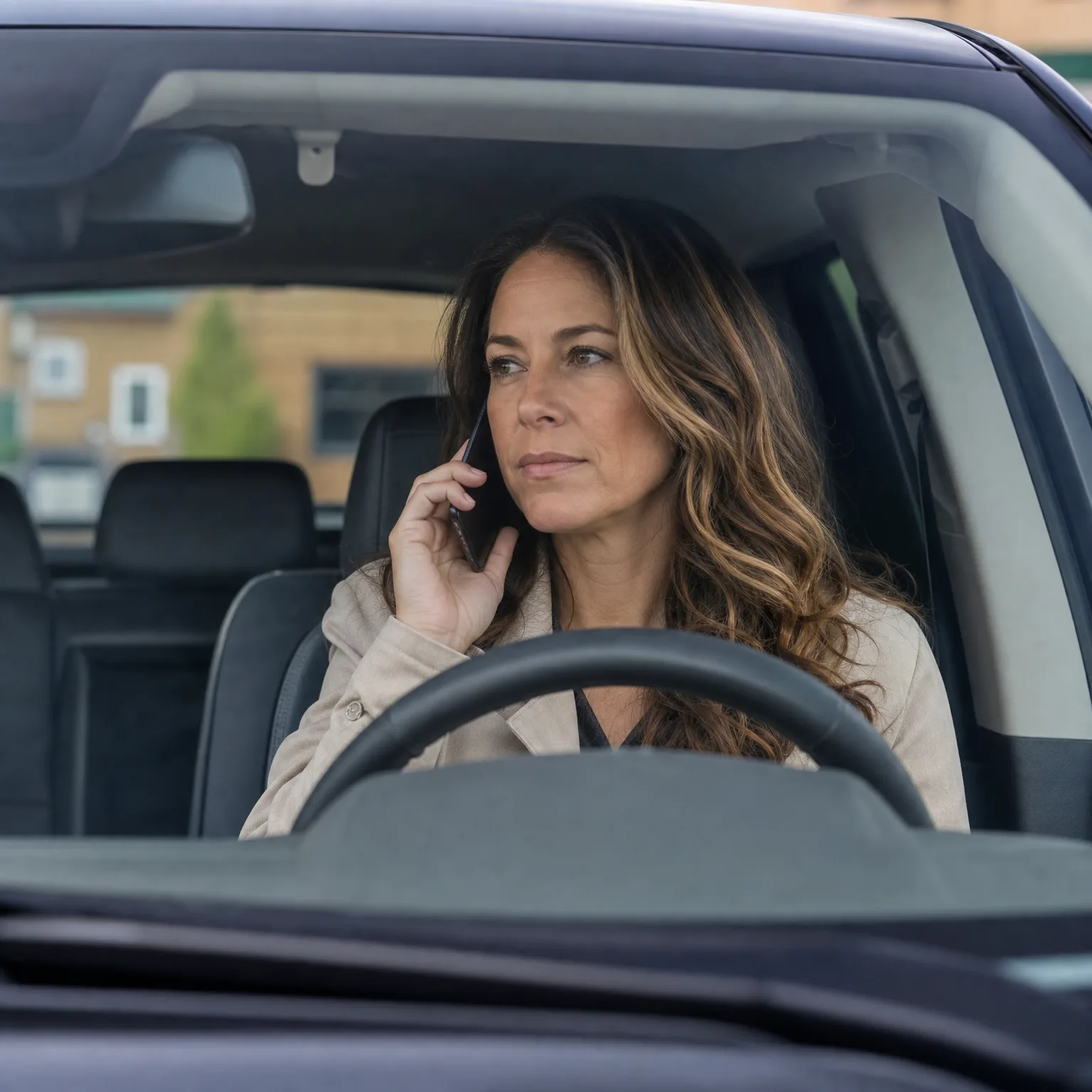
Kansas's minimum liability limits are $25,000 per person, $50,000 per accident for bodily injury, and $25,000 for property damage. Those limits are low relative to the cost of a serious accident. A multi-vehicle collision with injuries can exceed $50,000 in medical bills alone, and a totaled luxury vehicle or commercial truck can exceed $25,000 in property damage. If you cause an accident with damages exceeding your policy limits, you are personally liable for the difference.
Households with significant assets — home equity, retirement accounts, investment portfolios — face greater exposure. Higher liability limits protect those assets. Unlike collision and comprehensive, liability limits apply per accident, not per vehicle, so the cost does not compound across your fleet.
For multi-vehicle households, higher liability limits are often the first optional coverage worth adding. The per-policy cost is low, the protection is substantial, and the coverage does not multiply with vehicle count. If your household has assets to protect and you're choosing between higher liability limits and collision coverage on an older car, the liability increase almost always delivers better value.
12%
Kansas Uninsured Motorist Rate
Twelve percent of Kansas motorists drive uninsured. Kansas law requires uninsured motorist coverage, but you can increase the limits beyond the state minimum to match your liability coverage and close the protection gap.
Insurance Information Institute, 2023

Rental Reimbursement and Roadside Assistance
Rental reimbursement pays for a rental car while your vehicle is being repaired after a covered claim. Roadside assistance covers towing, jump-starts, flat-tire changes, and lockout service. For a household with multiple vehicles, the math changes.
If you insure four vehicles and add rental reimbursement to all four, you're paying for four separate rental-reimbursement policies even though you can only drive one rental car at a time. Many households add rental reimbursement to the primary vehicle only and skip it on secondary or older cars. The same logic applies to roadside assistance: if you already have coverage through AAA or a credit card, adding it to every vehicle on your auto policy is redundant.
Kansas households with multiple vehicles often structure these coverages asymmetrically. The primary car carries rental reimbursement because it's the one most likely to be out of service after an accident. The older cars do not, because the household has backup vehicles available. This approach avoids paying for coverage you cannot use simultaneously while still protecting against the most common rental-car scenario.
Gap Coverage and Loan Protection
Gap coverage pays the difference between your vehicle's actual cash value and the remaining loan or lease balance if the car is totaled. It is relevant only for financed or leased vehicles, and only during the period when you owe more than the car is worth. For Kansas households with multiple financed vehicles, gap coverage can add up quickly, but it is also time-limited: once the loan balance drops below the vehicle's value, the coverage becomes unnecessary.
If your household finances two or three vehicles simultaneously, evaluate gap coverage vehicle by vehicle. A new car with a small down payment and a long loan term carries higher gap risk than a used car with a large down payment and a short loan. Some lenders and dealers sell standalone gap policies at inflated prices; adding gap coverage to your auto policy is almost always cheaper. Review the coverage annually and drop it once the loan balance falls below the car's actual cash value.
Compare Carriers That Write Multiple Vehicles in Kansas
Kansas households insuring multiple vehicles should compare carriers that write multi-car policies and offer transparent per-vehicle pricing. Carriers writing in Kansas include State Farm, Geico, Progressive, Allstate, American Family, Farmers, Nationwide, USAA, Travelers, Liberty Mutual, and others. Not all carriers price optional coverages the same way, and the difference compounds when you insure several vehicles. Request quotes that break out the cost of each optional coverage per vehicle so you can see exactly what you're paying for collision, comprehensive, rental reimbursement, and higher liability limits across your fleet. Compare the total policy premium, not just the per-vehicle rate, and structure optional coverages vehicle by vehicle to match protection to actual replacement cost and household need.
Collision and Comprehensive Coverage
For households with multiple vehicles, the collision and comprehensive decision varies by vehicle. A newer car with a loan or lease almost always requires both coverages as a condition of financing. An older paid-off vehicle may not justify the premium, especially when the vehicle's actual cash value is low. The rule of thumb: if the vehicle's value is less than ten times the annual premium for collision and comprehensive combined, consider dropping both and self-insuring the replacement risk.
Kansas households often structure coverage differently across vehicles on the same policy. The primary family car carries full coverage with a $500 deductible. The older commuter car carries liability only. The teenager's car carries collision with a $1,000 deductible to keep the premium manageable while still protecting against the higher accident risk. This vehicle-by-vehicle approach keeps total premium lower than applying the same coverage to every car, and it matches protection to actual replacement cost.
Get Your Free Quote
Get My Kansas Car Insurance QuoteFrequently Asked Questions
Do I need collision and comprehensive on every vehicle I insure in Kansas?
No. Kansas does not require collision or comprehensive coverage on any vehicle unless you have a loan or lease that mandates it. Households with multiple vehicles often carry full coverage on newer or financed cars and liability-only on older paid-off vehicles to keep total premium manageable while protecting the cars with the highest replacement cost.
Does raising my liability limits cost more when I insure multiple vehicles?
Liability limits apply per accident, not per vehicle, so the cost of higher limits does not multiply with vehicle count.
Should I add rental reimbursement to every car on my Kansas policy?
Not necessarily. Rental reimbursement pays for one rental car at a time, so adding it to every vehicle means paying for coverage you cannot use simultaneously. Many Kansas households add rental reimbursement only to the primary vehicle and skip it on secondary or older cars, especially when backup vehicles are available.
How do I know if gap coverage is worth it for my financed vehicles in Kansas?
Gap coverage is worth it when you owe more on the loan than the vehicle's actual cash value. Review the loan balance and the car's current value annually; once the balance drops below the value, drop the gap coverage. For Kansas households financing multiple vehicles, evaluate gap coverage vehicle by vehicle rather than applying it uniformly.
Can I structure optional coverages differently across vehicles on the same Kansas policy?
Yes. Kansas law does not require uniform coverage across all vehicles on one policy. You can carry full coverage with a low deductible on one car, liability-only on another, and collision with a high deductible on a third. This vehicle-by-vehicle approach matches protection to replacement cost and keeps total premium lower than applying the same coverage to every car.