
Kansas Car Insurance Laws — What Drivers Must Know
Free to compare
Kansas Requires Three Coverages, Not One
You bought liability insurance, but Kansas won't let you register your vehicle because you're missing personal injury protection and uninsured motorist coverage. The state treats all three as mandatory, not optional add-ons. Drivers who assume liability alone satisfies the law discover the gap when the county treasurer's office rejects their registration application or when a traffic stop turns into a citation for driving without required coverage.
Kansas is one of twelve states that mandate PIP and one of roughly twenty that require uninsured motorist coverage. The three-coverage structure exists because Kansas operates under a no-fault personal injury system for medical expenses and wants protection when the other driver carries nothing. Every vehicle registered in Kansas must show proof of all three at the time of registration, at renewal, and during any traffic stop. The law does not distinguish between primary vehicles and rarely-driven cars — every car on your policy needs all three coverages.
“Kansas suspends your registration and license automatically when your insurance lapses — no hearing, no grace period, just a notice by mail.”
Find Coverage That Keeps You Legal in Kansas
Get My Kansas Car Insurance Quote$25,000 / $50,000 / $25,000
Kansas Minimum Liability Limits
Bodily injury per person $25,000, bodily injury per accident $50,000, property damage $25,000. These are the floor amounts required under Kansas law to register and legally operate a vehicle. Coverage below these limits voids your registration and exposes you to fines and suspension.
Kansas Department of Revenue, Division of Vehicles
What Each Mandatory Coverage Actually Does
Liability coverage pays the other party's expenses when you cause an accident: their medical bills up to $25,000 per person and $50,000 per accident, and their property damage up to $25,000. It does not pay your own medical bills or repair your own vehicle. Kansas sets these as the minimum amounts you must carry; many drivers choose higher limits because a serious accident exhausts $25,000 in seconds.
Personal injury protection covers your own medical expenses and lost wages after any accident, regardless of who caused it. PIP also covers passengers in your vehicle and household members injured as pedestrians or cyclists.
Uninsured motorist coverage pays your medical bills and, in some policies, your vehicle damage when the at-fault driver carries no insurance or flees the scene. Kansas law requires uninsured motorist bodily injury coverage at the same limits as your liability policy. Given that 12% of Kansas drivers are uninsured, this coverage closes the gap when the other driver cannot pay. Some carriers bundle underinsured motorist coverage, which pays when the at-fault driver's limits are too low to cover your expenses.

Kansas will suspend your registration and license if you cannot provide proof of all three coverages during a traffic stop or at a registration renewal checkpoint.

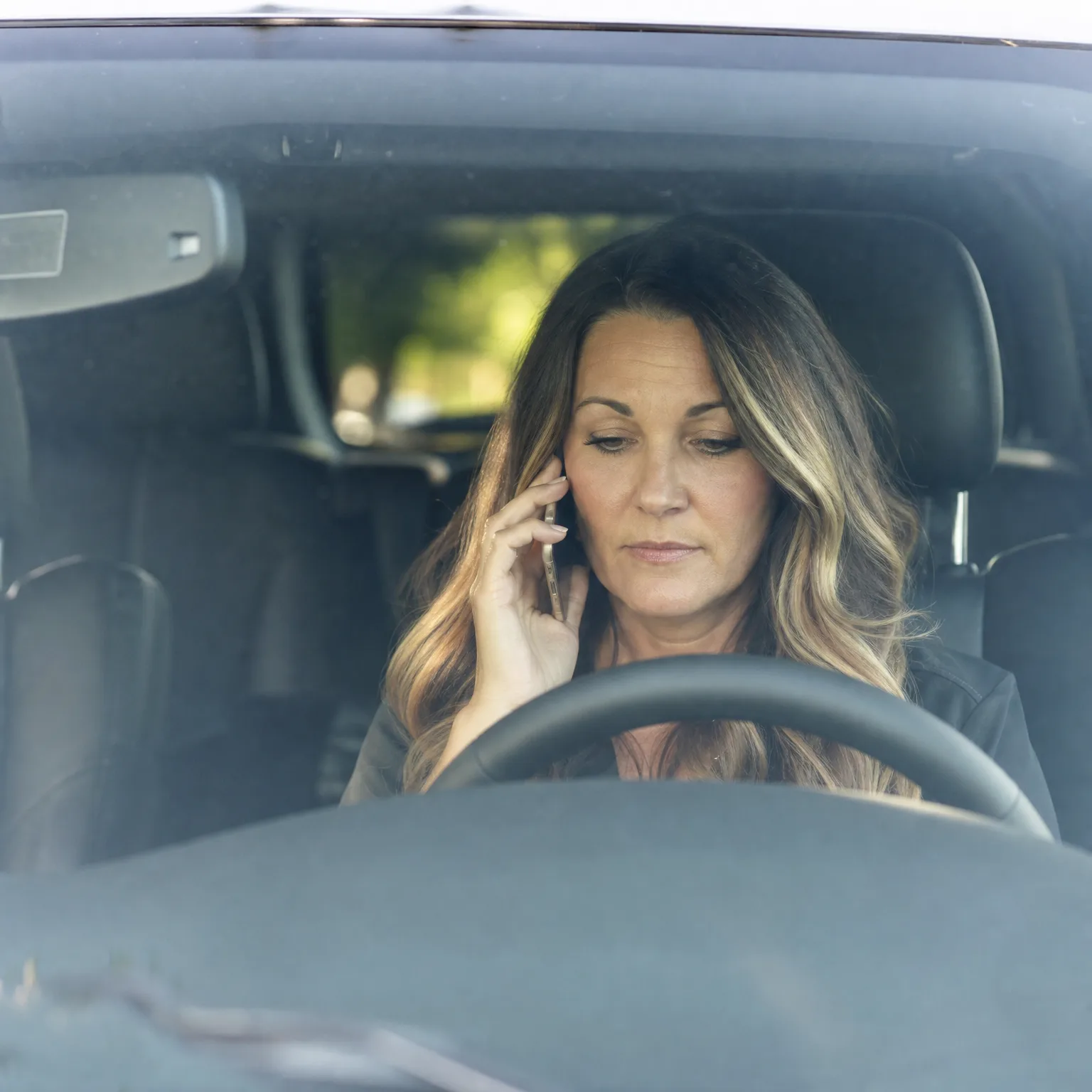

Penalties for Driving Without Required Coverage
Kansas suspends your registration and driver's license when the Division of Vehicles receives notice that your insurance lapsed or was canceled. The suspension is automatic — no hearing, no grace period. You receive a notice by mail stating the effective date of the suspension, typically 30 days after the lapse. Driving during suspension is a separate criminal offense carrying fines, possible jail time, and extension of the suspension period.
Kansas may require you to file an SR-22 certificate — a carrier-issued proof-of-insurance filing submitted directly to the state — for one year following certain violations, including driving without insurance.
If you cause an accident while uninsured, Kansas holds you personally liable for all damages and medical expenses the other party incurs. The state may also suspend your license until you pay a judgment or post a bond covering the damages. Even a minor accident can produce five-figure medical bills; without insurance, those bills become your personal debt, and the suspension remains in place until the debt is satisfied or discharged.
12%
Kansas Uninsured Motorist Rate
One in eight Kansas drivers operates without insurance, meaning uninsured motorist coverage is not theoretical protection. When an uninsured driver causes an accident, your UM coverage pays your medical bills and, depending on your policy, your vehicle damage.
Insurance Research Council, 2023

Optional Coverages That Protect Your Own Vehicle
Kansas law does not require collision or comprehensive coverage, but lenders do. If you finance or lease your vehicle, the lender's contract mandates both coverages to protect their interest in the car. Collision pays to repair or replace your vehicle after an accident you cause or a single-vehicle crash; comprehensive pays for theft, vandalism, hail, flood, fire, and animal strikes. Both coverages carry a deductible — typically $500 or $1,000 — that you pay out of pocket before the carrier pays the remaining repair cost.
Once your vehicle is paid off, collision and comprehensive become optional. Many drivers drop both on older vehicles where the coverage cost approaches the vehicle's actual cash value. A common rule of thumb: if annual collision and comprehensive premiums exceed 10% of the vehicle's value, the coverage may cost more than it's worth. Comprehensive alone is inexpensive and covers high-frequency risks like hail and theft, so some drivers keep comprehensive and drop collision on older cars.
How Kansas's No-Fault PIP System Affects Claims
Kansas operates a no-fault system for medical expenses, meaning your own PIP coverage pays your medical bills after an accident regardless of who caused it. You file a claim with your own carrier rather than waiting for the at-fault driver's liability carrier to investigate and pay. PIP pays quickly — typically within 30 days — and covers medical treatment, rehabilitation, lost wages, and in some cases funeral expenses up to your policy limit.
The no-fault system does not prevent you from suing the at-fault driver for damages beyond your PIP limit, but Kansas law sets a threshold: you can pursue a liability claim against the other driver only if your injuries meet the state's serious injury definition or if your medical expenses exceed your PIP limit. This threshold keeps minor injury claims out of court and reduces litigation, but it also means you cannot recover pain-and-suffering damages for less serious injuries even when the other driver was clearly at fault. Your liability coverage still applies when you cause an accident — the other party's PIP pays their medical bills, and your liability coverage pays any damages that exceed their PIP limit or meet the serious-injury threshold.

Compare Carriers That Write All Three Mandatory Coverages
Not every carrier writes all three mandatory coverages in Kansas, and those that do price them differently. Some carriers bundle PIP and uninsured motorist into their standard policy at competitive rates; others charge them as separate line items that inflate the total premium. When comparing quotes, confirm each quote includes liability at or above state minimums, PIP, and uninsured motorist bodily injury coverage. A low liability-only quote is not comparable to a compliant quote that includes all three.
Kansas has 25 carriers writing auto insurance in the state, including national carriers and regional specialists. Carriers that write high-risk policies — drivers with violations, lapses, or suspended licenses — typically charge higher premiums but offer SR-22 filing when required. If your license is currently suspended or you need SR-22 filing to reinstate, confirm the carrier writes SR-22 policies in Kansas before requesting a quote. Use the site's comparison tool to see which carriers write your household's vehicles and coverage needs, then request quotes from at least three to compare total cost for compliant coverage.
Proof of Insurance: What Kansas Accepts and When You Need It
At registration, the county treasurer's office verifies your insurance electronically through the Kansas Insurance Verification System before issuing plates. If your carrier has not reported your policy to the state database, bring your declarations page showing liability, PIP, and uninsured motorist coverage with effective dates covering the registration period. Registration is denied if any coverage is missing or expired. When you add a vehicle mid-term, your carrier typically reports the addition to the state within 24 hours, but confirm coverage is active before driving to the treasurer's office.
During a traffic stop, Kansas law enforcement checks your insurance status electronically, but you must still provide proof on request. An insurance card — digital or printed — showing your policy number, coverage effective dates, and the name of your carrier satisfies the requirement. If you cannot provide proof at the stop, the officer may issue a citation requiring you to show proof to the court within ten days. Driving without insurance or without proof both carry fines, but the penalties differ: no insurance triggers suspension and reinstatement fees; no proof is a lesser citation resolved by showing you were insured at the time of the stop.
Get Your Free Quote
Get My Kansas Car Insurance QuoteFrequently Asked Questions
What happens if I get pulled over in Kansas without proof of insurance?
You receive a citation requiring you to show proof to the court within ten days that you were insured at the time of the stop. If you can provide proof, the citation is typically dismissed.
Does Kansas require uninsured motorist coverage on every vehicle?
Yes. Kansas law mandates uninsured motorist bodily injury coverage at the same limits as your liability policy on every registered vehicle. You cannot register or renew a vehicle without it. Given that 12% of Kansas drivers are uninsured, this coverage pays your medical bills when an uninsured driver causes an accident.
Can I drop PIP coverage in Kansas if I have health insurance?
No. Kansas law requires PIP on every registered vehicle regardless of your health insurance status. PIP covers medical expenses, lost wages, and rehabilitation after any accident, and it pays quickly under no-fault rules. Health insurance does not satisfy the state's PIP requirement, and dropping PIP voids your registration.
How long does an SR-22 filing last in Kansas?
Kansas requires SR-22 filing for one year after certain violations, including driving without insurance. Your carrier files the SR-22 certificate directly with the Division of Vehicles, and you must maintain continuous coverage for the full year. If your policy lapses during the SR-22 period, the state suspends your license again and restarts the one-year clock.
What is the minimum PIP coverage amount Kansas requires?
You select your PIP limit when you purchase your policy, and higher limits cost more. PIP pays your medical bills and lost wages after any accident regardless of fault, so many drivers choose limits above the minimum to avoid out-of-pocket costs.
Does Kansas require collision and comprehensive coverage?
No. Kansas law does not mandate collision or comprehensive coverage, but your lender does if you finance or lease your vehicle. Once the vehicle is paid off, both coverages become optional. Many drivers drop collision on older vehicles where the coverage cost approaches the car's value, but keep comprehensive because it covers theft, hail, and vandalism at low cost.
Can I register a vehicle in Kansas with out-of-state insurance?
Yes, if your out-of-state policy meets Kansas's minimum coverage requirements: $25,000/$50,000/$25,000 liability, PIP, and uninsured motorist coverage. The county treasurer's office verifies coverage electronically, and if your out-of-state carrier does not report to the Kansas Insurance Verification System, you must provide a declarations page showing all three coverages with effective dates covering the registration period.