
Multi-Vehicle Coverage Requirements — Kansas
Free to compare
When Adding a Second Vehicle Changes Your Policy Structure
You bought a second car for your household and called your carrier to add it to your existing Kansas policy. The agent quoted a premium higher than you expected — not just the cost of insuring the new vehicle, but a re-rated figure for both cars combined. You assumed adding a car meant adding a flat amount to your current bill. Instead, the carrier re-underwrote the entire policy as a multi-vehicle household with combined exposure across both cars.
Kansas law requires every auto policy to carry minimum liability limits of $25,000 per person for bodily injury, $50,000 per accident for bodily injury, and $25,000 for property damage. The state also mandates personal injury protection coverage and uninsured motorist coverage on every policy. These requirements apply per policy, not per vehicle. When you add a second car, the carrier recalculates your premium based on the combined risk of insuring multiple vehicles under one policy, the drivers in your household who have access to those vehicles, and the garaging address all cars share.
“Kansas requires PIP and uninsured motorist coverage per policy, not per vehicle — adding a car re-rates the entire household under combined exposure rules.”
Find Coverage That Keeps You Legal in Kansas
Get My Kansas Car Insurance Quote$25,000/$50,000/$25,000
Kansas Minimum Liability Limits
Kansas law requires every auto insurance policy to carry at least $25,000 per person for bodily injury, $50,000 per accident for bodily injury, and $25,000 for property damage. Personal injury protection and uninsured motorist coverage are also mandatory on every policy.
Kansas statutes and Division of Vehicles requirements
Why the Multi-Car Discount Requires Every Vehicle on One Policy
The multi-car discount applies when you insure two or more vehicles on the same policy with the same carrier. Most Kansas carriers require every vehicle to be garaged at the same address and titled to household members listed on the policy. A car titled to someone outside your household — a college-age child living elsewhere, a parent at a different address — typically does not qualify for the same-policy discount even if you want to add it.
Kansas carriers structure the multi-car discount as a percentage reduction applied to the combined premium after underwriting all vehicles together. The discount does not appear as a line item subtracted from your bill. Instead, the carrier prices the policy as a multi-vehicle household from the start, applying the discount during the rating calculation. You see the final premium, not the discount amount.
Adding a vehicle mid-term triggers a policy re-rate. The carrier does not simply append the new car's premium to your existing bill. It recalculates the entire policy based on the combined exposure of all vehicles, all drivers in the household, and the claims history attached to each. A household with two cars and two drivers pays a different rate than a household with two cars and three drivers, even when the cars are identical.
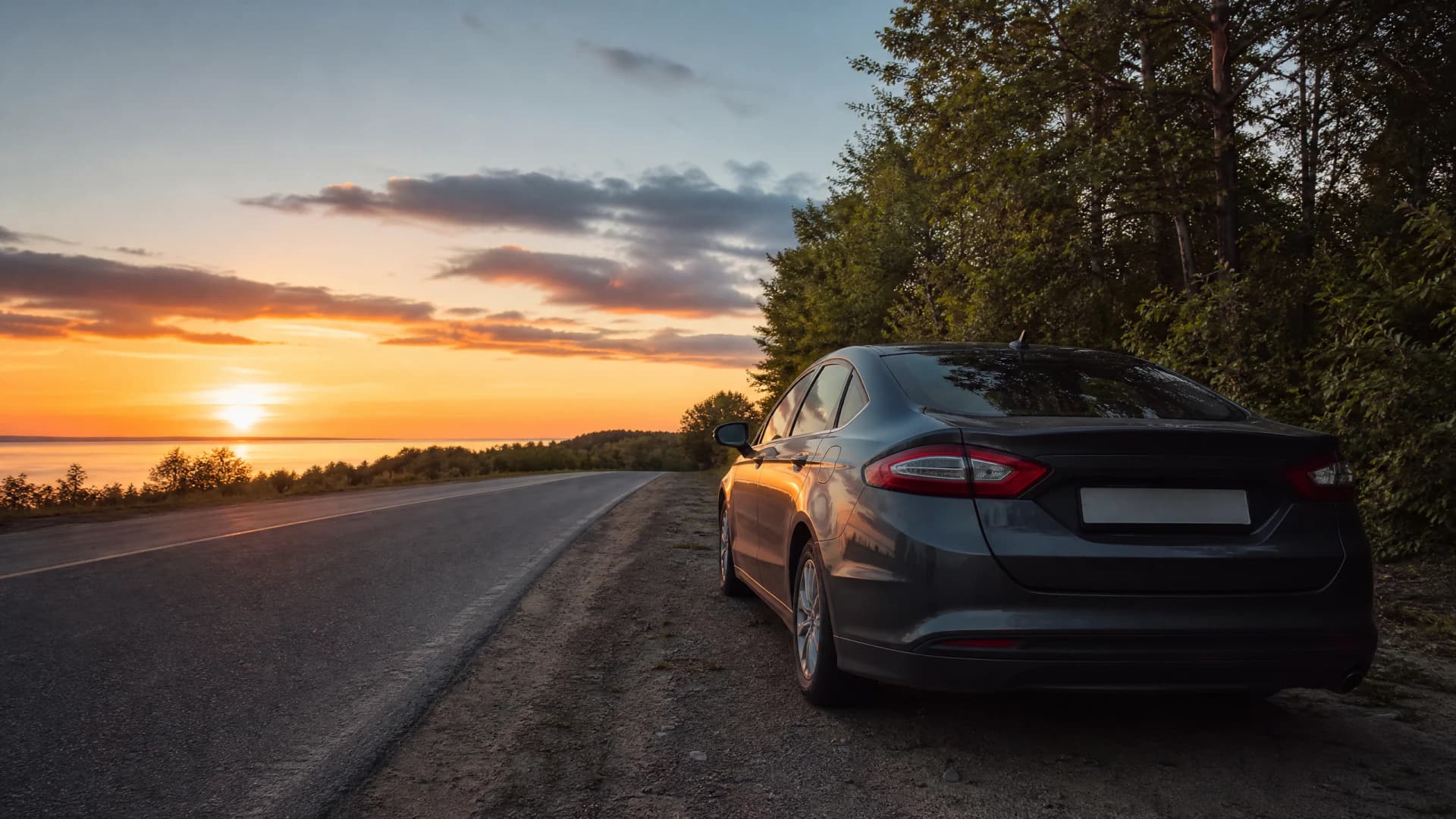
A vehicle titled to someone outside your household address typically cannot be added to your Kansas policy, even if you want to pay for their coverage, because carriers require all vehicles to share the same garaging location.
Related Articles



When Combining Two Policies After Marriage or a Move
You and your spouse each carried separate Kansas auto policies before marriage. Now you share a household and want to combine both cars onto one policy to qualify for the multi-car discount. Kansas carriers allow this, but the combined premium is not the sum of your two prior premiums minus a discount. The carrier underwrites the combined policy as a new multi-vehicle household, rating both cars together with both drivers listed.
The combined premium depends on each driver's record, each vehicle's characteristics, and the claims history attached to both prior policies. A driver with a clean record and a driver with a recent at-fault accident produce a higher combined premium than two clean-record drivers, even when the vehicles are identical. Kansas carriers assign each vehicle to a primary driver and rate the policy based on the highest-risk driver in the household having access to every vehicle.
Combining policies mid-term requires canceling one policy and adding its vehicle to the other. Kansas law allows you to cancel a policy mid-term without penalty when you transfer the vehicle to another policy, but the carrier on the canceled policy will not refund the full unused premium if you financed the policy or owe installment fees. The carrier adding the vehicle will charge a pro-rated premium from the date you add it through the end of the current term, then re-rate the entire policy at renewal.
12%
Kansas Uninsured Motorist Rate
Twelve percent of Kansas motorists drive without insurance. The state mandates uninsured motorist coverage on every policy to protect you when an at-fault driver cannot pay for damages they cause.
Insurance Research Council, 2023

Coverage Decisions When Insuring Multiple Vehicles
Kansas requires liability, PIP, and uninsured motorist coverage on every policy, but collision and comprehensive coverage are optional. A household with two vehicles can carry full coverage on one car and liability-only on the other. Carriers allow you to select different deductibles and coverage limits for each vehicle on the same policy.
A newer financed vehicle typically requires collision and comprehensive coverage per the lender's contract. An older paid-off vehicle with low market value may not justify the collision premium. Kansas carriers let you structure coverage vehicle-by-vehicle, but dropping collision on one car does not reduce the liability, PIP, or uninsured motorist premium for that vehicle. Those coverages remain mandatory and are priced based on the vehicle's characteristics and the assigned driver's record.
Compare Carriers That Write Multi-Vehicle Kansas Policies
Not every carrier writing Kansas auto insurance offers competitive multi-car rates. Some carriers specialize in single-vehicle households and price multi-vehicle policies less favorably. Others build their underwriting models around households with two or more cars and offer stronger multi-car discounts. Kansas licenses 23 carriers that write standard and non-standard auto policies, including Geico, State Farm, Progressive, Farmers, Allstate, American Family, and USAA.
Compare quotes from at least three carriers when adding a vehicle or combining policies. Provide each carrier with the VIN, year, make, and model of every vehicle, the driver's license number and date of birth for every household member, and the garaging address all vehicles share. Kansas carriers rate multi-vehicle policies differently: one carrier's multi-car discount structure may produce a lower combined premium than another's, even when the single-vehicle rate is higher. The only way to know which carrier offers the best rate for your household is to compare binding quotes with identical coverage limits across all vehicles.
How Kansas Carriers Re-Rate When You Add a Vehicle
When you add a second or third vehicle, the carrier pulls the VIN, checks the vehicle's year, make, model, and safety features, and assigns it to a driver in your household. Kansas law allows carriers to rate based on the primary driver assigned to each vehicle, the vehicle's theft and collision loss history, and the garaging ZIP code. The carrier then recalculates the liability, collision, comprehensive, PIP, and uninsured motorist premiums for all vehicles on the policy as a combined household risk.
The multi-car discount applies after the carrier completes the combined underwriting. Most Kansas carriers writing multi-vehicle policies apply the discount to the second and subsequent vehicles, not the first. A household adding a third car sees the discount applied to vehicles two and three, with vehicle one rated at the standard single-car premium. The combined premium reflects the discount, but you do not see a separate line item labeled 'multi-car discount' on your declaration page.
Get Your Free Quote
Get My Kansas Car Insurance QuoteFrequently Asked Questions
Does Kansas require the same coverage on every vehicle on a multi-car policy?
Kansas requires liability, PIP, and uninsured motorist coverage on every policy, but you can choose different collision and comprehensive coverage for each vehicle. A financed car may require full coverage per the lender's contract, while an older paid-off vehicle can carry liability-only. The mandatory coverages apply to the policy as a whole, not per vehicle.
Can I add a vehicle titled to someone outside my household to my Kansas policy?
Most Kansas carriers require every vehicle on a multi-car policy to be garaged at the same address and titled to a household member listed on the policy. A car titled to someone at a different address typically cannot be added, even if you want to pay for their coverage. The vehicle must be on a separate policy at its own garaging location.
How does adding a second car mid-term affect my Kansas premium?
Adding a vehicle mid-term triggers a policy re-rate. The carrier recalculates the premium for all vehicles on the policy based on the combined exposure of every car and driver in your household. You pay a pro-rated premium for the new vehicle from the date you add it through the end of the current term, then the entire policy re-rates at renewal.
Do I save money combining two Kansas policies after marriage?
Combining two policies into one multi-vehicle policy qualifies you for the multi-car discount, but the combined premium is not the sum of your two prior premiums minus a discount. The carrier underwrites the combined policy as a new household, rating both vehicles and both drivers together. The final premium depends on each driver's record and each vehicle's characteristics.
What is the multi-car discount in Kansas and how is it applied?
The multi-car discount is a percentage reduction Kansas carriers apply when you insure two or more vehicles on the same policy. The discount is built into the combined premium during the rating calculation, not shown as a separate line item. Most carriers apply the discount to the second and subsequent vehicles, not the first.
Can I insure two cars in Kansas if they are garaged at different addresses?
Kansas carriers require all vehicles on a multi-car policy to be garaged at the same address. If you own two cars garaged at different locations — a primary residence and a vacation home, for example — you typically need separate policies for each address. The multi-car discount applies only when all vehicles share the same garaging location.