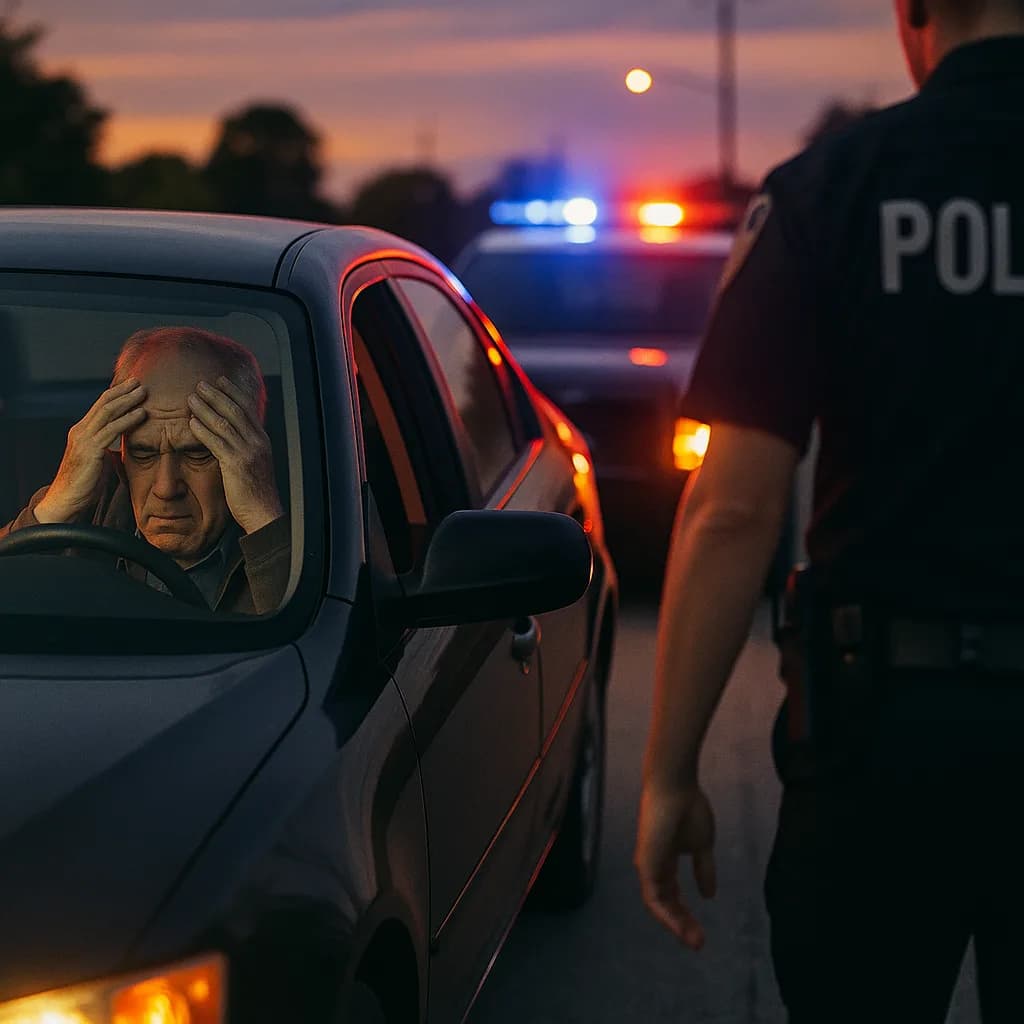
What You Pay to Get Your License Back
That figure comes directly from the Kansas Department of Revenue, Division of Vehicles, which administers all driver licensing and reinstatement in the state.
Kansas operates a multi-tier suspension system. The base fee applies to straightforward administrative suspensions — failure to appear in court, unpaid fines, or lapsed insurance. But alcohol-related suspensions, repeat violations, and certain high-risk triggers add administrative penalties on top of the base amount. The total you pay depends on what caused your suspension, how many prior suspensions you carry, and whether the state imposed additional compliance requirements.
Compare car insurance rates in your state
Get quotes from licensed carriers — no obligation, no spam, results in minutes.
Get Your Free QuoteKansas Base Reinstatement Fee
Charged by the Kansas Department of Revenue, Division of Vehicles for most administrative suspensions. Additional penalties apply for alcohol-related suspensions, repeat violations, and certain high-risk triggers.
Kansas Department of Revenue, Division of Vehicles
How Kansas Structures Suspension Tiers
The Kansas Department of Revenue director of vehicles has statutory authority to impose administrative suspensions. That authority creates a tiered structure where different violation types trigger different fee schedules and compliance requirements.
An alcohol-related suspension — DUI, refusal to submit to testing, or any violation under K.S.A. 8-1567 — adds administrative penalties and often requires proof of SR-22 insurance filing for one year after reinstatement. Repeat suspensions within a rolling window compound the cost further.
The state does not publish a single fee schedule that covers every scenario. The reinstatement letter you receive from the Division of Vehicles names your specific total, which reflects the base fee plus any applicable penalties. If you have not yet received that letter, call the Division of Vehicles directly to confirm your reinstatement cost before you pay.
Most alcohol-related and repeat-violation suspensions cost more.
What Drives the Total Higher

Alcohol-related suspensions trigger the highest additional costs. A DUI conviction under K.S.A. 8-1567, a refusal to submit to chemical testing, or any suspension tied to impaired driving adds administrative penalties and mandates SR-22 insurance filing. The SR-22 itself is not a fee — it is a certificate your insurer files with the state proving you carry at least Kansas minimum liability coverage. But the state will not reinstate your license without it, and you must maintain that filing for one year. Dropping coverage during that period triggers a new suspension.
Repeat suspensions within a set window also increase the total. If you have been suspended multiple times in the past five years, the Division of Vehicles may impose a higher reinstatement fee or require additional compliance steps before reinstatement. Unpaid fines, failure to appear in court, and driving on a suspended license all count as separate suspension triggers, and each adds to your reinstatement cost if they stack.
Related Articles





How to Calculate Your Actual Cost
The reinstatement letter the Division of Vehicles mails to your address of record names your total reinstatement cost. That letter is the authoritative source — it reflects the base fee, any administrative penalties, and any compliance requirements specific to your suspension. If you have not received the letter, or if you moved and the letter went to an old address, call the Division of Vehicles at the number on their website and provide your driver's license number. They will confirm your total and tell you what you must complete before reinstatement.
If your suspension was alcohol-related, add the cost of obtaining SR-22 insurance to your reinstatement budget. The SR-22 filing itself typically costs a one-time fee, but your insurance premium will increase because you are now classified as high-risk. Carriers writing SR-22 policies in Kansas include Geico, Progressive, State Farm, Farmers, National General, The General, USAA, Bristol West, and Dairyland. Compare quotes from at least three carriers before you file — premiums vary widely for the same coverage.
Some suspensions require you to complete additional steps before the Division of Vehicles will accept your reinstatement fee. Alcohol-related suspensions may require proof of completion of a court-ordered alcohol education program or ignition interlock installation. Unpaid-fine suspensions require proof that the fine is paid in full. Failure-to-appear suspensions require proof that you resolved the underlying court case. Gather all required documentation before you submit your reinstatement fee — the state will not process your reinstatement until every compliance requirement is met.
Kansas SR-22 Filing Period
1 year
Required after alcohol-related suspensions under K.S.A. 8-1567. The one-year period begins on the date the state receives your SR-22 certificate, not the date of your conviction or suspension. Dropping coverage during that period triggers a new suspension.
K.S.A. 40-3118(d)
When You Can Drive Again
Kansas does not reinstate your license the day you pay the fee. The Division of Vehicles processes reinstatements in the order received, and processing time varies by workload. Plan for at least one to two weeks between the date you submit your reinstatement fee and the date your license is valid again. You cannot drive legally until the state confirms your reinstatement is complete.
If your suspension included a mandatory waiting period — common for alcohol-related suspensions and repeat violations — you must serve that period in full before you can apply for reinstatement. The waiting period starts on the date your suspension began, not the date you paid your fine or completed your compliance requirements. Check your suspension letter for the earliest reinstatement eligibility date. Applying before that date wastes your time and your reinstatement fee.
What Happens If You Drive Before Reinstatement
Driving on a suspended license in Kansas is a separate criminal offense. If you are stopped before your reinstatement is complete, you face additional fines, possible jail time, and an extended suspension period. The original reinstatement fee does not cover the new suspension — you pay again.
Kansas law enforcement has real-time access to license status. A routine traffic stop will reveal that your license is still suspended even if you have paid your reinstatement fee but the state has not yet processed it. Wait for written confirmation from the Division of Vehicles that your reinstatement is complete before you drive. That confirmation is your proof of legal status if you are stopped.