
How to Verify Carrier Licensing — Kansas
Free to compare
Why Licensing Status Matters Before You Bind Multi-Vehicle Coverage
You're shopping carriers for a policy that will cover two, three, or four household vehicles under one account. The carrier quoted you, the rate looks competitive, and you're ready to bind. Before you do, confirm the carrier holds active Kansas authority to write auto insurance. An unlicensed carrier cannot legally issue a policy in Kansas, and a policy issued without authority is unenforceable when you file a claim on any of your vehicles.
Kansas licenses carriers through the Kansas Insurance Department. A carrier with authority in 49 other states but not Kansas cannot write your policy here. The licensing check takes under three minutes and protects every vehicle you add to the account. You verify once per carrier, not once per vehicle.
“A policy issued by an unlicensed carrier is unenforceable in Kansas, even if you paid premiums in good faith.”

Find Coverage That Keeps You Legal in Kansas
Get My Kansas Car Insurance Quote20+ carriers
Kansas Licensed Auto Carriers
Kansas licenses more than 20 carriers to write standard, preferred, and non-standard auto insurance, including multi-vehicle policies. The roster includes national carriers and regional writers.
Kansas Insurance Department carrier roster
What Active Kansas Authority Actually Means
A carrier holds active Kansas authority when the Kansas Insurance Department has issued a certificate of authority permitting the carrier to write auto insurance policies in the state. The certificate lists the lines of business the carrier may write. Auto liability, collision, comprehensive, uninsured motorist, and personal injury protection all fall under the property and casualty authority line.
Authority is carrier-specific, not group-specific. A parent company's license does not automatically extend to its subsidiaries. If you're quoted by a subsidiary or affiliate, verify that entity's individual authority. The Kansas Insurance Department maintains a searchable database of every carrier holding active authority, updated as certificates are issued, renewed, or revoked.
When a carrier loses authority or lets it lapse, existing policies typically remain in force through their term, but the carrier cannot renew them or issue new policies. If you bind a multi-vehicle policy the day after a carrier's authority lapses, the policy is void from inception. The claim you file six months later on any of your vehicles will be denied, and you will have driven uninsured without knowing it.
A policy issued by an unlicensed carrier is unenforceable in Kansas, even if you paid premiums in good faith.
Related Articles
Best Multi-Car Insurance Companies in Kansas
7/15/2026
Licensed Kansas Auto Insurance Carriers
7/15/2026

Choosing a Car Insurer for Multiple Cars in KS
7/15/2026
Cheap Car Insurance Companies Kansas
7/15/2026

Best Full Coverage Carriers for Kansas
7/15/2026

Best Full Coverage for Multiple Cars in Kansas
7/15/2026
What Happens When You Skip the Licensing Check
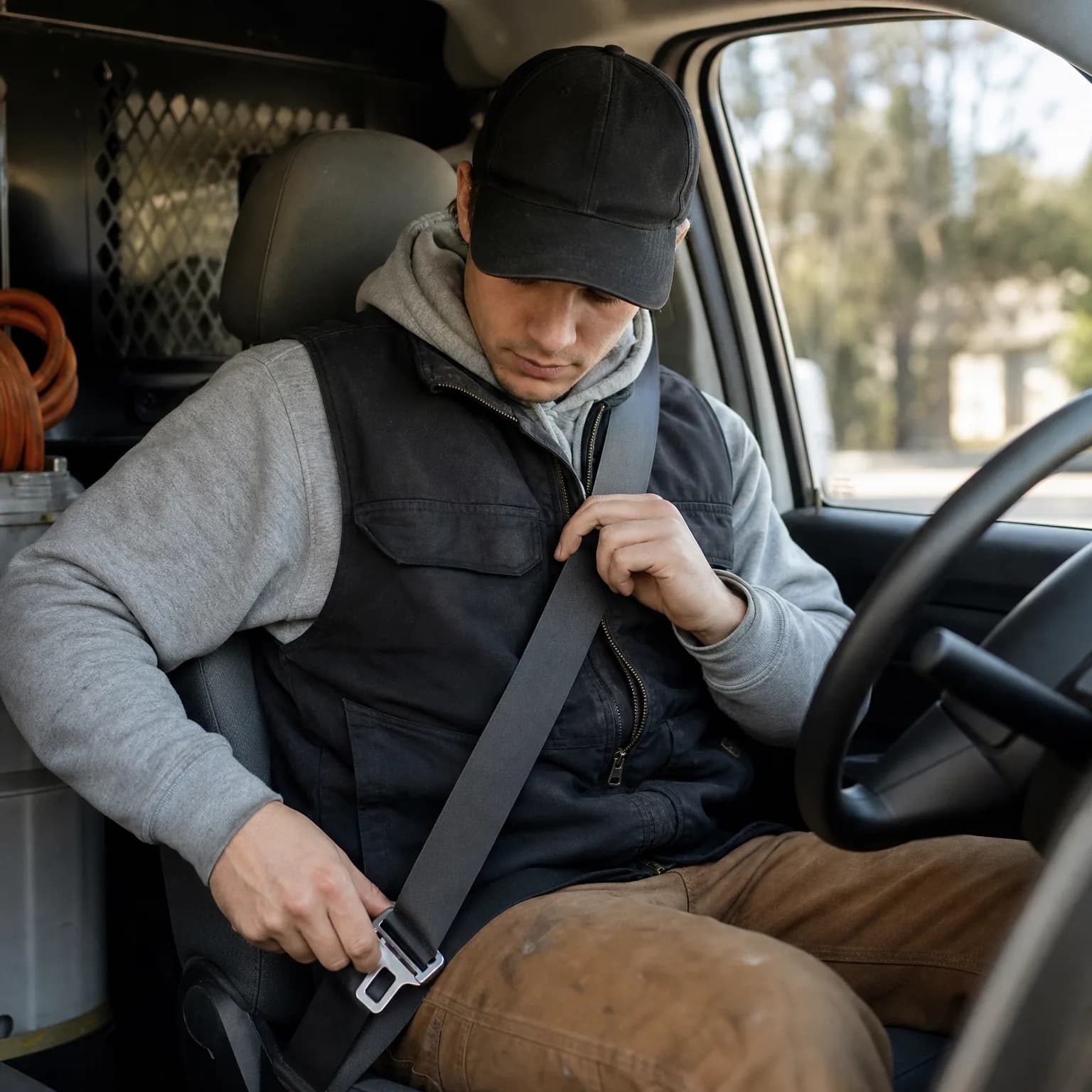
You bind a multi-vehicle policy with a carrier that quoted you a competitive rate. Six months later, you file a collision claim on one of your vehicles. The carrier denies the claim and refunds your premiums because it never held Kansas authority to issue the policy. The policy was void from the start. You've been driving three vehicles without enforceable coverage for six months, and Kansas law required proof of insurance the entire time.
Kansas requires every registered vehicle to carry minimum liability coverage: $25,000 per person for bodily injury, $50,000 per accident for bodily injury, and $25,000 for property damage. Personal injury protection and uninsured motorist coverage are also mandatory. If you're stopped or involved in an accident, you must present proof of insurance. A void policy does not satisfy that requirement.
When you insure multiple vehicles on one policy, a licensing failure affects every vehicle on the account simultaneously. A household with three cars on a void policy has three uninsured vehicles, not one. The exposure multiplies with every car you add.
$25,000 / $50,000 / $25,000
Kansas Minimum Liability Limits
Kansas requires $25,000 per person and $50,000 per accident for bodily injury liability, plus $25,000 for property damage liability. Personal injury protection and uninsured motorist coverage are also mandatory. Every vehicle on your policy must meet these minimums.
Kansas auto insurance state data
Verify Before You Bind, Not After the First Claim
Run the licensing check before you submit payment or sign the application. The carrier's quote does not prove Kansas authority. A carrier licensed in 40 states can generate a quote for Kansas without holding authority here. The quote is a rate calculation, not a certification of legal standing.
If the carrier search returns no active Kansas authority, contact the carrier directly and ask for the legal entity name that will appear on your Kansas policy. Some carriers write through multiple subsidiaries and the quote may list a brand name rather than the underwriting entity. If the carrier confirms it does not hold Kansas authority, do not bind. Shop a carrier that does.
Take 90 Seconds Now to Protect Every Vehicle on Your Account
Open the Kansas Insurance Department Company Search tool, enter the exact legal entity name from your quote, and confirm active Property and Casualty authority. If the status is active and the lines match, the carrier can legally write your multi-vehicle policy. If the search returns no results or an inactive status, stop and choose a different carrier. The licensing check is faster than reading the policy documents and eliminates the risk of binding unenforceable coverage across your household's vehicles.
How to Check Carrier Licensing in Under Three Minutes
Navigate to the Kansas Insurance Department website and locate the Company Search tool under the Consumer tab. Enter the carrier's legal name exactly as it appears on your quote documents. The legal entity name often differs from the brand name you recognize. Progressive's legal entity in Kansas is Progressive Casualty Insurance Company. Geico operates through multiple entities; the one on your quote might be Government Employees Insurance Company or GEICO General Insurance Company. Use the exact name from your quote's declarations page.
The search returns the carrier's certificate of authority status, the lines of business it holds authority to write, and the date authority was granted. Confirm the status reads Active and the lines include Property and Casualty or Auto. If the search returns no results, the carrier does not hold Kansas authority. If the status reads Inactive or Revoked, the carrier cannot legally write your policy. Do not bind coverage until you confirm active authority for the exact legal entity named on your quote.
Get Your Free Quote
Get My Kansas Car Insurance QuoteFrequently Asked Questions
How do I find out if my car insurance company is licensed in Kansas?
Use the Kansas Insurance Department Company Search tool on the KID website. Enter the carrier's exact legal name from your quote or policy documents. The search returns the carrier's certificate of authority status and the lines of business it holds authority to write. Confirm the status reads Active and the lines include Property and Casualty or Auto.
What happens if I buy insurance from an unlicensed carrier in Kansas?
The policy is void from inception and unenforceable. If you file a claim, the carrier will deny it and refund your premiums.
Does a carrier licensed in other states automatically have Kansas authority?
No. A carrier must hold a separate certificate of authority issued by the Kansas Insurance Department to write policies in Kansas. Authority in 49 other states does not grant Kansas authority. Verify Kansas-specific licensing before binding coverage.
Can I check licensing status after I buy the policy?
You can, but you should check before you bind. If you discover after purchase that the carrier lacks Kansas authority, the policy is void and you've been driving uninsured. Run the licensing check before submitting payment or signing the application.
Where do I find the legal entity name to search for licensing?
The legal entity name appears on your quote's declarations page, often in fine print at the bottom or in the carrier information section. The legal name may differ from the brand name. For example, Progressive's legal entity is Progressive Casualty Insurance Company. Use the exact legal name in the Kansas Insurance Department search tool.
What if the carrier operates through multiple subsidiaries in Kansas?
Each subsidiary must hold its own Kansas certificate of authority. If your quote lists a brand name but the policy will be underwritten by a subsidiary, contact the carrier and ask for the exact legal entity name that will appear on your Kansas policy. Search for that entity in the Kansas Insurance Department database.
How often does Kansas update the carrier licensing database?
The Kansas Insurance Department updates the Company Search database as certificates are issued, renewed, or revoked. The database reflects current authority status. If a carrier's authority lapses or is revoked, the database updates accordingly.