
Liability vs Full Coverage — Kansas
Free to compare
The Split-Coverage Reality for Multi-Car Households
You just bought a second car. One is financed through a bank; the other you own outright. The lender sent paperwork demanding comprehensive and collision on the financed vehicle, but you're not sure whether Kansas law requires the same coverage on the car you own. Most drivers assume both vehicles on the same policy must carry identical coverage—they don't.
Kansas law sets a floor: every registered vehicle must carry $25,000 bodily injury per person, $50,000 per accident, $25,000 property damage, plus personal injury protection and uninsured motorist coverage. That's liability insurance. Full coverage—comprehensive and collision—is not a state mandate. It's a lender requirement. When you finance or lease a vehicle, the contract obligates you to protect the lender's collateral until the loan is satisfied. The car you own outright has no lender, so no lender-mandated coverage applies. You can insure it with state minimums alone, or you can add comprehensive and collision by choice.
“Kansas law sets a floor for every vehicle. Full coverage is a lender requirement, not a state mandate.”
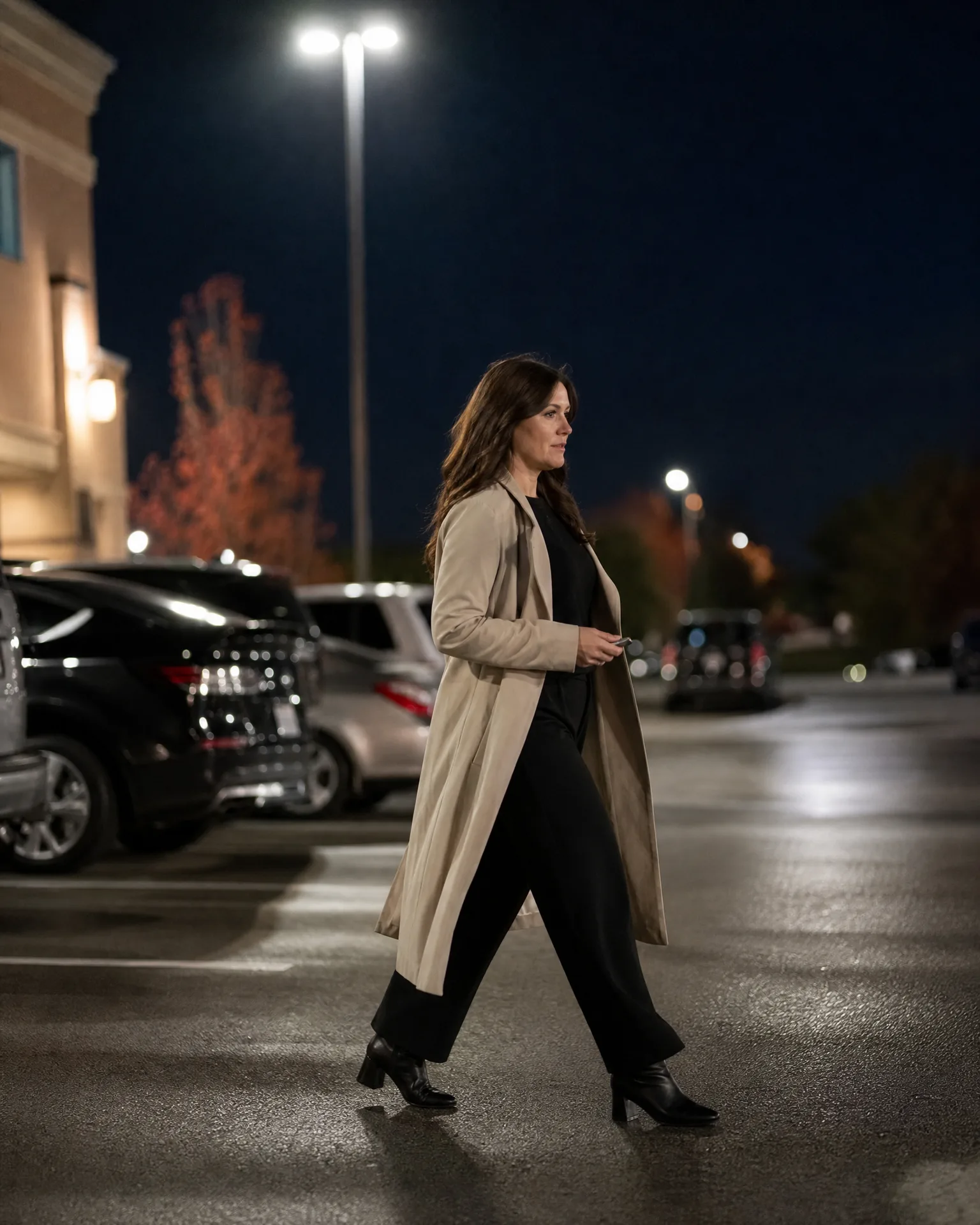
Find Coverage That Keeps You Legal in Kansas
Get My Kansas Car Insurance Quote$25,000/$50,000/$25,000
Kansas Minimum Liability
Every vehicle registered in Kansas must carry at least $25,000 bodily injury per person, $50,000 per accident, and $25,000 property damage, plus PIP and uninsured motorist coverage per K.S.A. 40-3107. This floor applies to every car on your policy, financed or owned.
Kansas Statutes Annotated 40-3107
What Liability Insurance Actually Covers Across Two Vehicles
Liability insurance pays the other driver's bills when you cause an accident. Bodily injury liability covers their medical expenses, lost wages, and pain-and-suffering claims up to your per-person and per-accident limits. Property damage liability pays to repair or replace their vehicle and any other property you damage. Personal injury protection covers your own medical bills and lost income regardless of fault, up to the limit you select. Uninsured motorist coverage steps in when the at-fault driver has no insurance or insufficient limits to cover your injuries.
Kansas requires these coverages on every vehicle you register. If you insure two cars on one policy, both cars are covered under the same liability limits. When you cause an accident while driving either vehicle, your bodily injury and property damage limits apply to that single incident—they don't double because you own two cars. The per-accident limit is the total your insurer will pay for one crash, regardless of how many vehicles sit on your policy.
Liability insurance does not pay to repair your own vehicles. If you total the car you're driving in an at-fault accident, liability covers the other driver's car, not yours. That's where comprehensive and collision come in—but only if you bought them.
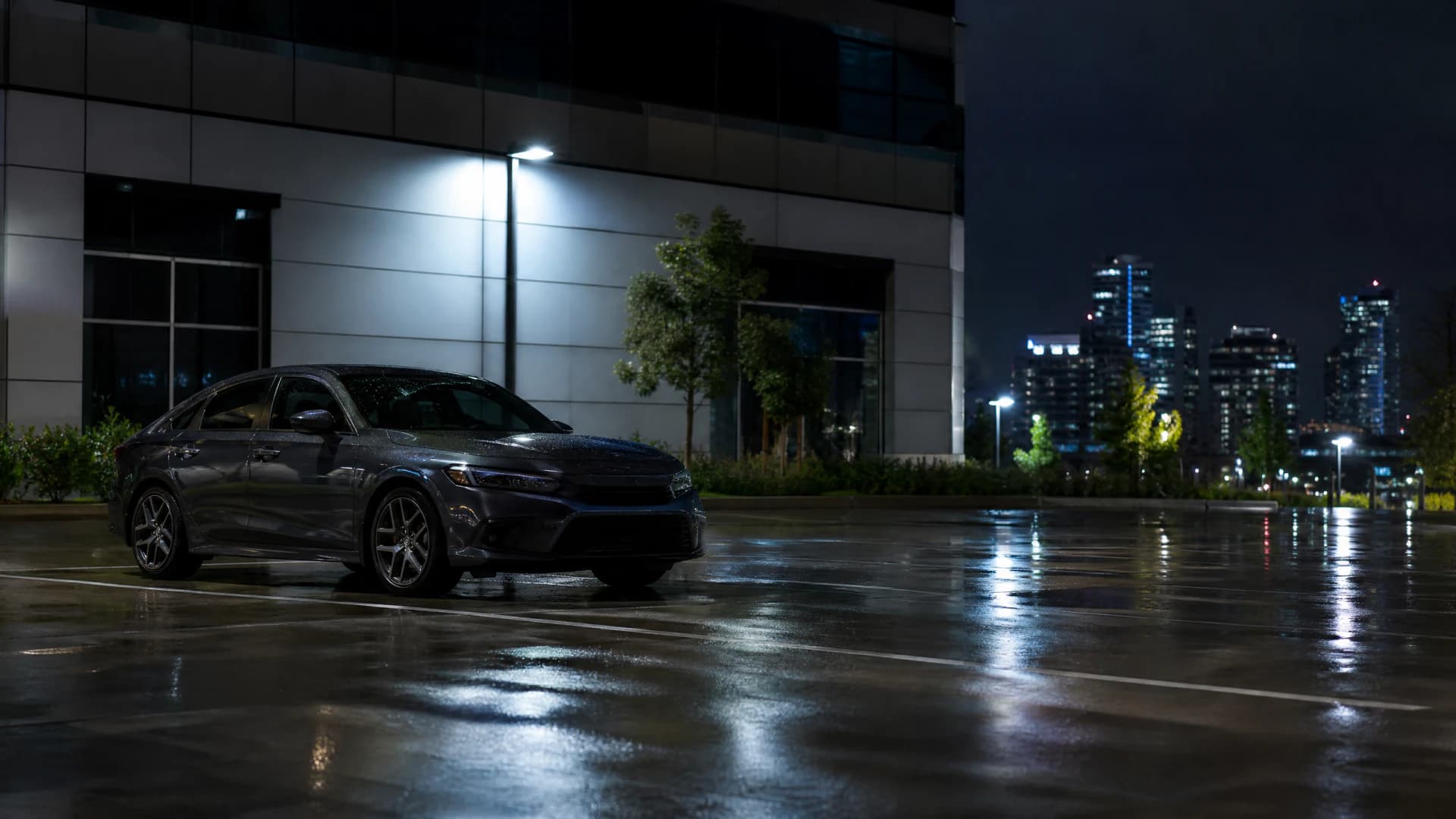
Liability covers the other driver's losses. It does not repair your own vehicles after an at-fault crash—that's what collision does, and Kansas does not require it.
Related Articles



Structuring Coverage When One Car Is Financed and One Is Owned
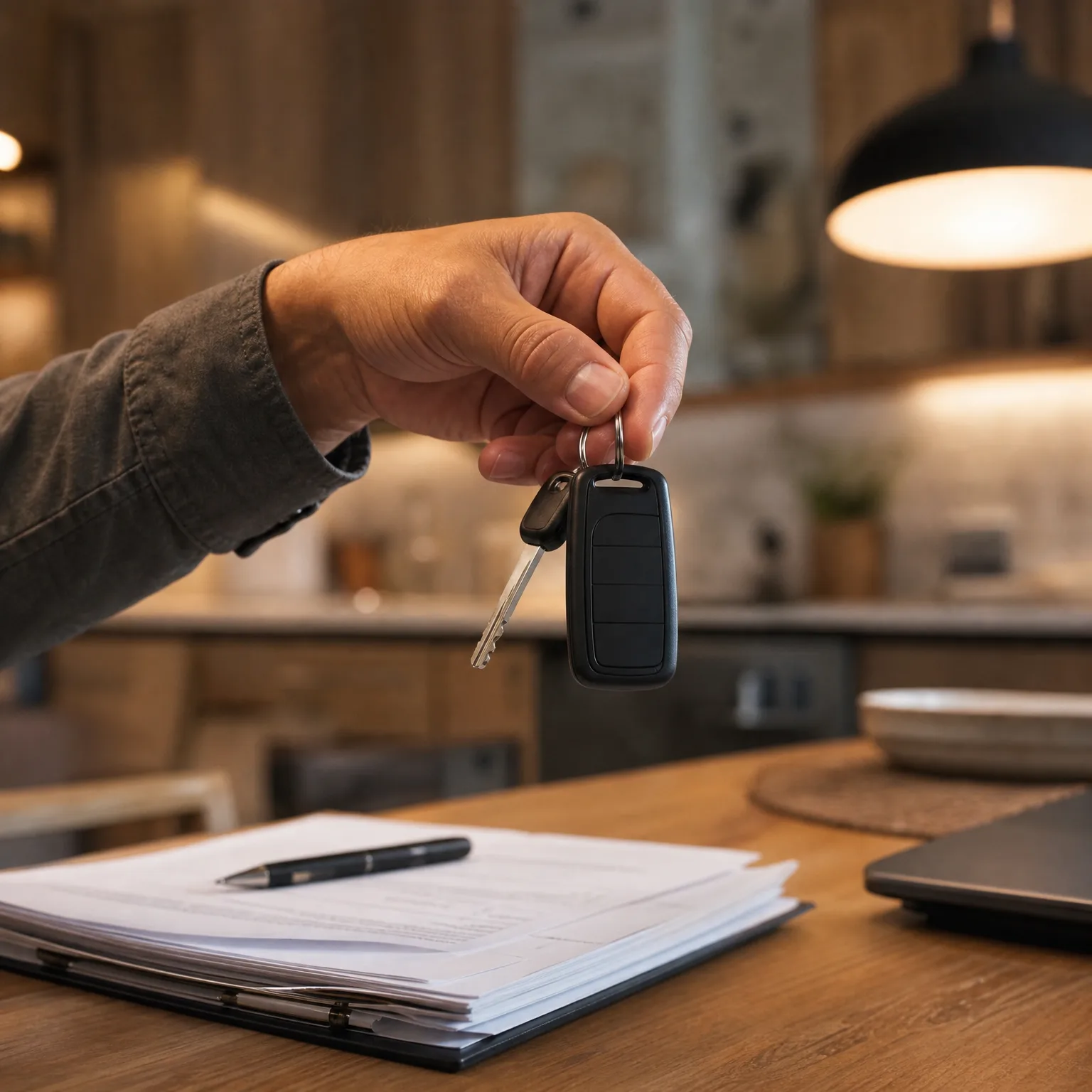
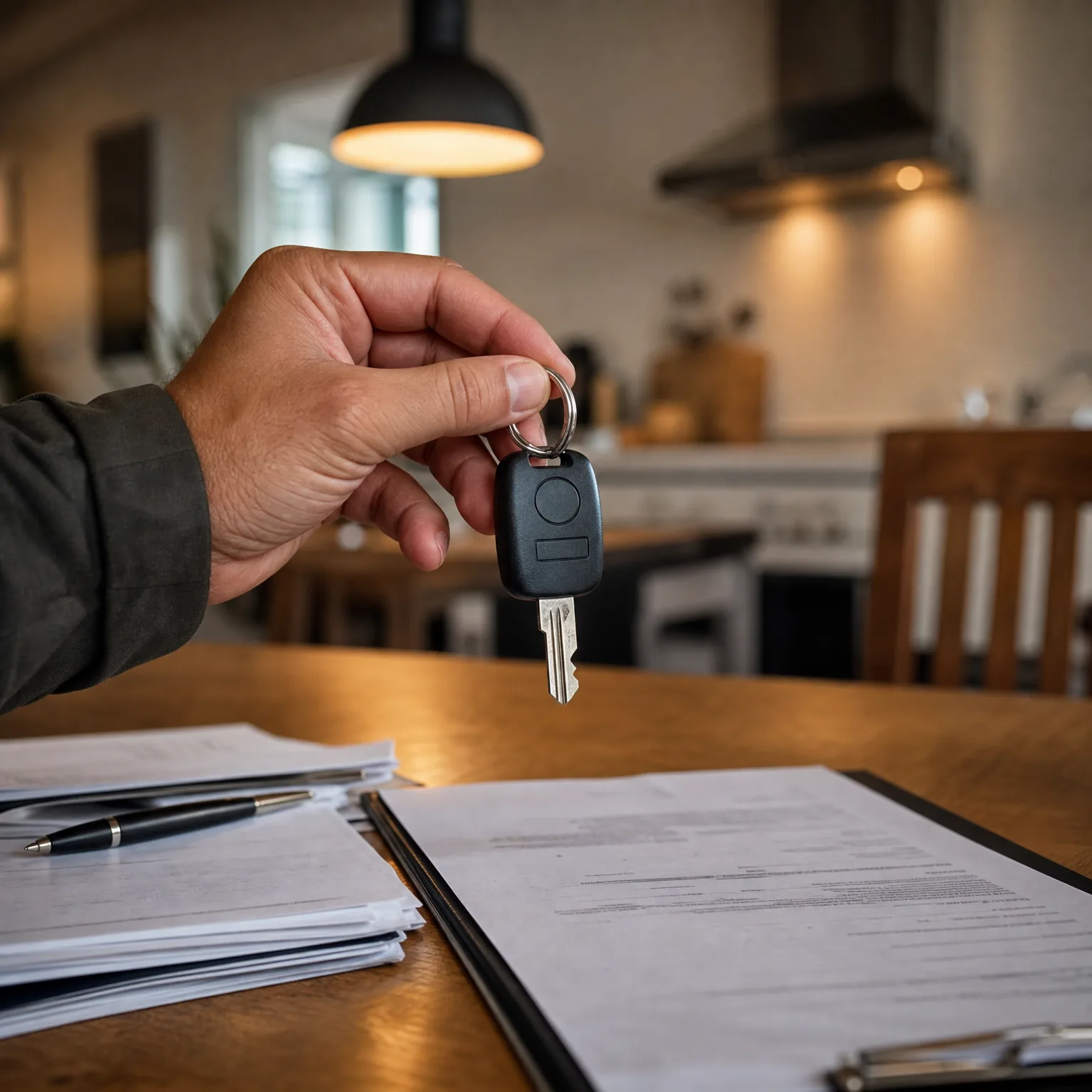
Both vehicles sit on the same policy and share the same liability limits, but you can assign different physical-damage coverage to each car. The financed vehicle carries comprehensive and collision because the lender contract demands it. The owned vehicle can carry comprehensive and collision if you want them, or liability only if you prefer to self-insure the vehicle's repair cost. Carriers let you set separate deductibles and separate coverage elections per vehicle on a multi-car policy.
Dropping comprehensive and collision on the owned vehicle lowers your premium, but it shifts all physical-damage risk to you. If you total that car in an at-fault crash, you receive nothing from your insurer—you pay to replace it out of pocket or you go without. If someone steals it or hail destroys it, comprehensive would have covered the loss, but liability does not. The decision turns on the vehicle's value and your ability to absorb the replacement cost. A conventional threshold: if the vehicle's actual cash value is less than ten times your annual comprehensive and collision premium for that car, many households drop the coverage and self-insure.
Kansas law does not prohibit this split structure. The state requires liability, PIP, and uninsured motorist coverage on every vehicle. Comprehensive and collision are optional unless a lender contract or lease agreement imposes them. When you own one car outright, no lender contract applies to that vehicle, so you control the coverage decision. Verify your financed vehicle's loan paperwork—it will specify required coverage types and minimum deductible limits. The owned vehicle has no such constraint.
12%
Kansas Uninsured Motorist Rate
Twelve percent of Kansas drivers carry no insurance. Uninsured motorist coverage—required on every Kansas policy—pays your medical bills and lost income when an uninsured driver injures you. It does not cover vehicle damage; uninsured motorist property damage is optional and covers your car when the at-fault driver has no insurance.
Insurance Research Council, 2023
How Deductibles Work When You Insure Two Cars
Each vehicle on your policy has its own comprehensive deductible and its own collision deductible. When you file a claim, you pay the deductible for the vehicle involved in the loss. If hail damages both cars in the same storm, you pay two comprehensive deductibles—one per vehicle. If you wreck one car, you pay that car's collision deductible; the other car's deductible does not apply because it was not involved in the crash.
Choosing a higher deductible lowers your premium but increases your out-of-pocket cost at claim time. You can set different deductibles for each vehicle. Many households set a lower deductible on the financed vehicle—because they cannot afford to be without it—and a higher deductible on the owned vehicle to save premium. Lenders sometimes impose minimum deductible requirements in the loan contract; check your paperwork before raising the deductible on a financed car.
When Liability-Only Makes Sense for the Second Vehicle
Liability-only coverage works when the vehicle's replacement cost is low enough that you can absorb the loss without financial hardship, and when you do not rely on that vehicle for daily transportation. After five years of premiums with no claims, you've paid the car's full value in coverage you did not use. Dropping to liability-only and setting aside the premium savings builds a self-insurance fund faster than continuing to pay for coverage on a depreciating asset.
Kansas requires proof of liability insurance to register a vehicle. You cannot register a car with no insurance, and you cannot drive it legally without at least the state minimum liability, PIP, and uninsured motorist coverage. Dropping comprehensive and collision is legal; dropping liability is not.
Compare Carriers That Write Multi-Car Policies in Kansas
Twenty-three carriers write auto insurance in Kansas, including Allstate, American Family, Farmers, Geico, Progressive, State Farm, and USAA. Not all carriers price multi-car policies the same way. Some apply a larger multi-car discount when you insure two vehicles; others price each vehicle closer to standalone rates and offer a smaller discount. Base rates vary by carrier, so a smaller discount on a lower base rate can cost less than a larger discount on a higher base. The only way to know which carrier offers the lowest total premium for your two-vehicle household is to compare quotes with identical coverage on both cars. Request quotes with liability-only on the owned vehicle and full coverage on the financed vehicle, then compare the total annual premium across carriers. Most carriers let you quote online; a few require an agent. Build your comparison around your actual vehicles, your actual address, and your actual driving history—generic rate estimates do not reflect what you will pay.
What Full Coverage Adds When You Finance One Vehicle
Collision coverage pays to repair or replace your vehicle after a crash, regardless of fault. If you rear-end another car or slide into a guardrail, collision covers your repair bill minus your deductible. Comprehensive coverage pays for damage from non-collision events: theft, hail, vandalism, fire, hitting a deer, or a tree falling on the car during a storm. Both coverages protect the vehicle itself, not the people inside it. Kansas sees 263.6 motor vehicle thefts per 100,000 population and 12% of drivers carry no insurance—comprehensive and uninsured motorist property damage address those risks when liability alone does not.
When you finance a vehicle, the loan contract names the lender as lienholder on the title. The lender requires comprehensive and collision because the car secures the loan. If you total the vehicle and carry only liability, the lender loses its collateral and you still owe the full loan balance. Comprehensive and collision ensure the lender gets paid when the car is damaged or stolen. Once you pay off the loan and the lender releases the lien, the requirement disappears. At that point you decide whether to keep comprehensive and collision or drop them and carry liability only.
Get Your Free Quote
Get My Kansas Car Insurance QuoteFrequently Asked Questions
Does Kansas require full coverage on both cars if I insure two vehicles?
No. Kansas requires liability, PIP, and uninsured motorist coverage on every vehicle. Comprehensive and collision—full coverage—are required only when a lender or lease contract demands them. If you own one car outright, you can insure it with liability only.
Can I drop collision on my paid-off car and keep it on my financed car?
Yes. Each vehicle on your policy can carry different physical-damage coverage. The financed car must carry comprehensive and collision per the loan contract. The paid-off car can carry liability only if you choose to self-insure its repair cost.
What happens if I total my car and I only have liability insurance?
Liability insurance does not pay to repair or replace your own vehicle. If you total your car in an at-fault crash and carry only liability, you receive nothing from your insurer. You pay to replace the vehicle out of pocket or go without.
Do I pay two deductibles if both cars are damaged in the same incident?
Yes. Each vehicle has its own deductible. If hail damages both cars in one storm, you pay two comprehensive deductibles. If you wreck one car, you pay only that car's collision deductible.
How much does it cost to insure two cars in Kansas?
Cost depends on the vehicles, drivers, coverage levels, deductibles, and carrier. The only way to know what you will pay is to request quotes from multiple carriers with your actual household details. Comparing carriers that write multi-car policies in Kansas shows which offers the lowest total premium for your situation.
Can I insure two cars on one policy if one is financed and one is not?
Yes. Both vehicles sit on the same policy and share the same liability limits. You assign comprehensive and collision to the financed vehicle per the lender contract, and you choose whether to add them to the owned vehicle.