
Avoiding Registration Suspension for Driving Without Insurance — Kansas
Free to compare
The Notice Arrived: What Kansas Is Telling You
You received a notice from the Kansas Department of Revenue, Division of Vehicles, stating that your vehicle registration will be suspended because you drove without insurance. The notice names a specific date range when the state's records show no active liability coverage on file for your vehicle. This is an administrative action, not a criminal charge — Kansas tracks insurance coverage electronically through carrier filings, and when a lapse appears, the Division of Vehicles initiates suspension proceedings automatically.
The suspension affects your vehicle registration, not your driver's license, but the practical consequence is the same: you cannot legally drive the vehicle once the suspension takes effect. Kansas law requires continuous liability coverage on every registered vehicle. A lapse of any duration — even a single day between policies — triggers the administrative process. The notice gives you a window to respond before the suspension becomes active, but that window closes quickly.
“Kansas suspends vehicle registration automatically when its system detects any coverage gap — the suspension is administrative, not punitive, but the $100 reinstatement fee applies either way.”

Find Coverage That Keeps You Legal in Kansas
Get My Kansas Car Insurance Quote$100
Kansas Reinstatement Fee
If the suspension takes effect, Kansas charges a $100 reinstatement fee to restore your vehicle registration, in addition to requiring proof of current insurance. The fee applies even if the lapse was brief or unintentional.
Kansas Department of Revenue, Division of Vehicles
Why Kansas Suspended Your Registration
Kansas requires every registered vehicle to carry minimum liability coverage: $25,000 per person for bodily injury, $50,000 per accident for bodily injury, $25,000 for property damage, plus personal injury protection and uninsured motorist coverage. Carriers report policy effective dates and cancellations to the state electronically. When the state's system detects a gap — your previous policy ended and no new policy appeared on file within the same timeframe — the Division of Vehicles flags your registration for suspension.
The most common triggers: you switched carriers and the new policy's effective date started one or more days after the old policy's cancellation date; you canceled a policy on a vehicle you were not driving but kept the registration active; you allowed a policy to lapse for nonpayment and did not reinstate it immediately; or you sold a vehicle but did not notify the Division of Vehicles, and the new owner drove it uninsured. Kansas does not distinguish between intentional and unintentional lapses. The administrative rule is binary: coverage on file or suspension initiated.
The notice you received lists the specific dates the state's records show no coverage. If you had continuous coverage during that period, the problem is a reporting gap — your carrier did not file proof with the state, or filed it late. If you genuinely had no coverage during that window, the suspension is procedurally correct, and your path forward is reinstatement, not dispute.
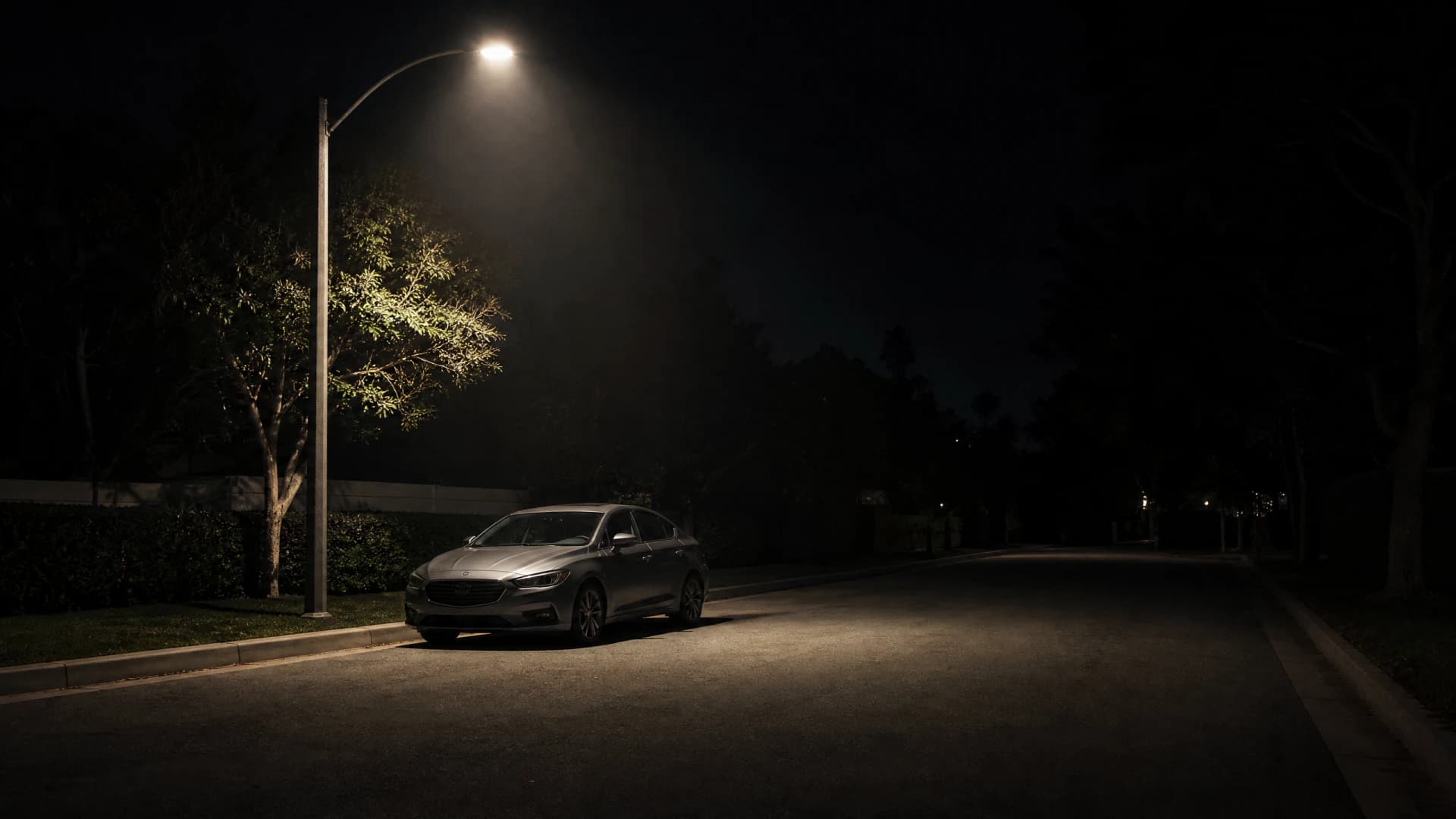
Kansas suspends vehicle registration automatically when its electronic system detects any coverage gap, regardless of how brief or why it occurred. The suspension is administrative, not punitive — but the $100 reinstatement fee and proof-of-coverage requirement apply either way.





If the Suspension Already Took Effect
If the deadline passed and the suspension is now active, you cannot drive the vehicle legally until you complete reinstatement. Kansas requires two things: proof of current insurance (via SR-22 filing) and payment of the $100 reinstatement fee. The SR-22 filing must remain on file for one year from the reinstatement date. If the SR-22 lapses or is canceled during that year, the Division of Vehicles will suspend your registration again, and you will pay another $100 reinstatement fee to restore it.
Obtain a policy from a carrier that writes SR-22 in Kansas. The carrier files the SR-22 electronically with the Division of Vehicles. Once the filing is on record, pay the $100 reinstatement fee online, by mail, or in person at a Division of Vehicles office. The state will not lift the suspension until both the SR-22 filing and the fee payment are complete. Processing typically takes one to three business days after both requirements are met. You will receive confirmation that your registration is reinstated; keep that confirmation in your vehicle.
During the suspension period, you cannot legally drive the vehicle, and law enforcement can impound it if you are stopped. If you need to drive for work, medical appointments, or other essential purposes during the suspension, Kansas offers restricted driving privileges through a separate application process. Restricted privileges require proof of need, proof of SR-22 insurance, and approval from the Division of Vehicles. The $100 reinstatement fee still applies once the suspension is lifted.
1 year
Kansas SR-22 Filing Period
Kansas requires SR-22 filing for one year after driving without insurance. The filing must remain active and on file with the Division of Vehicles for the entire period. If the SR-22 lapses or is canceled before the year ends, the state suspends your registration again.
Kansas Statutes Annotated 40-3104

How SR-22 Filing Works in Kansas
The SR-22 is a certificate of financial responsibility your insurance carrier files with the Kansas Division of Vehicles. It proves you carry at least the state's minimum liability coverage: $25,000 per person for bodily injury, $50,000 per accident, $25,000 for property damage, plus personal injury protection and uninsured motorist coverage. The carrier files the SR-22 electronically when your policy becomes active.
You can obtain an SR-22 on an owner policy (if you own the vehicle) or a non-owner policy (if you do not own a vehicle but need to reinstate your driving privileges). A non-owner SR-22 satisfies the state's proof-of-coverage requirement and allows you to drive vehicles you do not own, but it does not cover a vehicle registered in your name. If you own the suspended vehicle, you need an owner SR-22 policy that lists the vehicle. If you sold the vehicle or no longer own it, a non-owner SR-22 is sufficient to clear the suspension and restore your ability to register a vehicle in the future.
The SR-22 filing period begins on the date the state receives the certificate, not the date you purchased the policy. If you buy a policy today but the carrier does not file the SR-22 until tomorrow, the one-year period starts tomorrow. Keep proof of the filing date. If you move out of Kansas during the SR-22 period, the filing requirement follows you — Kansas will not release the SR-22 hold until the full year is complete, even if you register a vehicle in another state.
Compare Carriers and Act Before the Deadline
If you are facing suspension or already suspended, your immediate priority is obtaining SR-22 coverage from a carrier licensed in Kansas. Rates vary significantly by carrier, and not all carriers write SR-22 policies. Geico, Progressive, State Farm, Farmers, National General, The General, USAA, Dairyland, and Bristol West all write SR-22 in Kansas. Request quotes from at least three carriers. Provide the exact dates of the coverage lapse and the suspension notice details; carriers price SR-22 policies based on your driving record and the reason for the filing requirement. A suspension for uninsured driving typically results in higher premiums than a standard policy, but rates vary by carrier and your overall risk profile. Compare the total cost — premium plus SR-22 filing fee — across carriers before committing. Once the policy is active and the SR-22 is filed, confirm with the Division of Vehicles that the filing is on record and the suspension is cleared or prevented.
What to Do Before the Suspension Takes Effect
If you had continuous coverage during the dates the notice lists, contact your insurance carrier immediately and request that they file proof of coverage with the Kansas Division of Vehicles. Carriers file electronically; most can submit the documentation within one business day. Call the Division of Vehicles at the number on the notice and confirm that the filing was received before the suspension deadline. If the carrier's filing shows coverage during the flagged period, the Division of Vehicles will cancel the suspension action. You pay nothing if the suspension is stopped before it takes effect.
If you did not have coverage during the flagged period, you must obtain a new policy before the suspension deadline. Kansas requires an SR-22 filing for one year after driving without insurance. The SR-22 is not a separate insurance product — it is a certificate your carrier files with the state proving you carry at least minimum liability coverage. Not every carrier writes SR-22 policies. Carriers writing SR-22 in Kansas include Geico, Progressive, State Farm, Farmers, National General, The General, USAA, Dairyland, and Bristol West. Once the policy is active and the carrier files the SR-22, contact the Division of Vehicles to confirm receipt before the deadline. If the filing is on record before the suspension takes effect, the administrative action is closed and you avoid the $100 reinstatement fee.
Get Your Free Quote
Get My Kansas Car Insurance QuoteFrequently Asked Questions
Can I drive in Kansas while my registration is suspended for no insurance?
No. Driving a vehicle with a suspended registration is illegal in Kansas, and law enforcement can impound the vehicle if you are stopped. The suspension remains in effect until you file SR-22 proof of insurance and pay the $100 reinstatement fee.
How long does Kansas require SR-22 filing after driving without insurance?
Kansas requires SR-22 filing for one year after driving without insurance. The filing must remain active and on file with the Division of Vehicles for the entire period. If the SR-22 lapses before the year ends, the state suspends your registration again.
What is the reinstatement fee for a Kansas registration suspension?
Kansas charges a $100 reinstatement fee to restore a vehicle registration suspended for driving without insurance. The fee applies in addition to obtaining SR-22 insurance and filing proof of coverage with the Division of Vehicles.
Do I need SR-22 insurance if I no longer own the vehicle that was suspended?
If you no longer own the vehicle, you can obtain a non-owner SR-22 policy to satisfy Kansas's proof-of-coverage requirement and clear the suspension. A non-owner SR-22 allows you to register a vehicle in the future and proves financial responsibility without insuring a specific vehicle.
How do I prove I had continuous insurance if Kansas says I had a lapse?
Contact your insurance carrier and request that they file proof of coverage with the Kansas Division of Vehicles for the dates the state flagged. Carriers file electronically. Once the filing is on record, call the Division of Vehicles to confirm receipt and request that the suspension be canceled.
Can I get restricted driving privileges during a Kansas registration suspension?
Kansas offers restricted driving privileges for essential purposes such as work, medical appointments, and court-ordered obligations. You must apply to the Division of Vehicles, provide proof of SR-22 insurance, and demonstrate need. The $100 reinstatement fee still applies once the suspension is fully lifted.