
Full Coverage Car Insurance Cost — Kansas
Free to compare
What Full Coverage Costs When You Insure Multiple Vehicles
You carry Kansas minimum liability on two or three cars right now. You're weighing the jump to full coverage — collision and comprehensive on every vehicle — and you need to know what that costs for your household, not a single-car benchmark. The state average of $81 per month reflects liability-only policies. Full coverage is a different product with a different pricing structure, and when you're insuring multiple vehicles the cost compounds in ways a single-car estimate does not predict.
Full coverage means adding collision (pays for damage to your car in an at-fault crash) and comprehensive (pays for theft, weather, vandalism, animal strikes) to the liability minimums Kansas requires: $25,000 per person, $50,000 per accident, $25,000 property damage, plus mandatory personal injury protection and uninsured motorist coverage. Every vehicle on the policy gets re-rated individually when you add physical-damage coverage, because collision and comprehensive premiums are tied to the vehicle's actual cash value, not a flat add-on. A 2018 sedan and a 2022 truck on the same policy will carry very different collision premiums even if the liability portion is identical.
“Full coverage on multiple vehicles compounds by vehicle value, not by a flat per-car add-on.”

Find Coverage That Keeps You Legal in Kansas
Get My Kansas Car Insurance Quote$81/mo
Kansas Average Auto Premium
This figure reflects liability-only policies meeting state minimums. Full coverage — liability plus collision and comprehensive on every vehicle — costs more, with the increase determined by each vehicle's value and the deductibles you choose.
NAIC Auto Insurance Database Report 2023
Why Full Coverage Pricing Is Vehicle-Specific
Liability coverage protects other people. Collision and comprehensive protect your own vehicles. That structural difference changes how carriers price the policy. Liability premiums are driven by your driving record, your age, your location, and the state's minimum limits. Collision and comprehensive premiums are driven by the replacement cost of each car you're insuring.
When you add full coverage to a multi-vehicle policy, the carrier re-rates every car individually. The deductible you choose — typically $500 or $1,000 — also affects the premium: a higher deductible lowers the monthly cost but increases what you pay out of pocket after a claim.
This is why a household insuring three vehicles cannot use a single-car cost estimate to predict their full-coverage premium. The total cost is the sum of three individually-rated vehicles, each priced by its own value, plus the multi-car discount most carriers apply when every vehicle sits on one policy. The discount offsets some of the compounding, but it does not eliminate it.
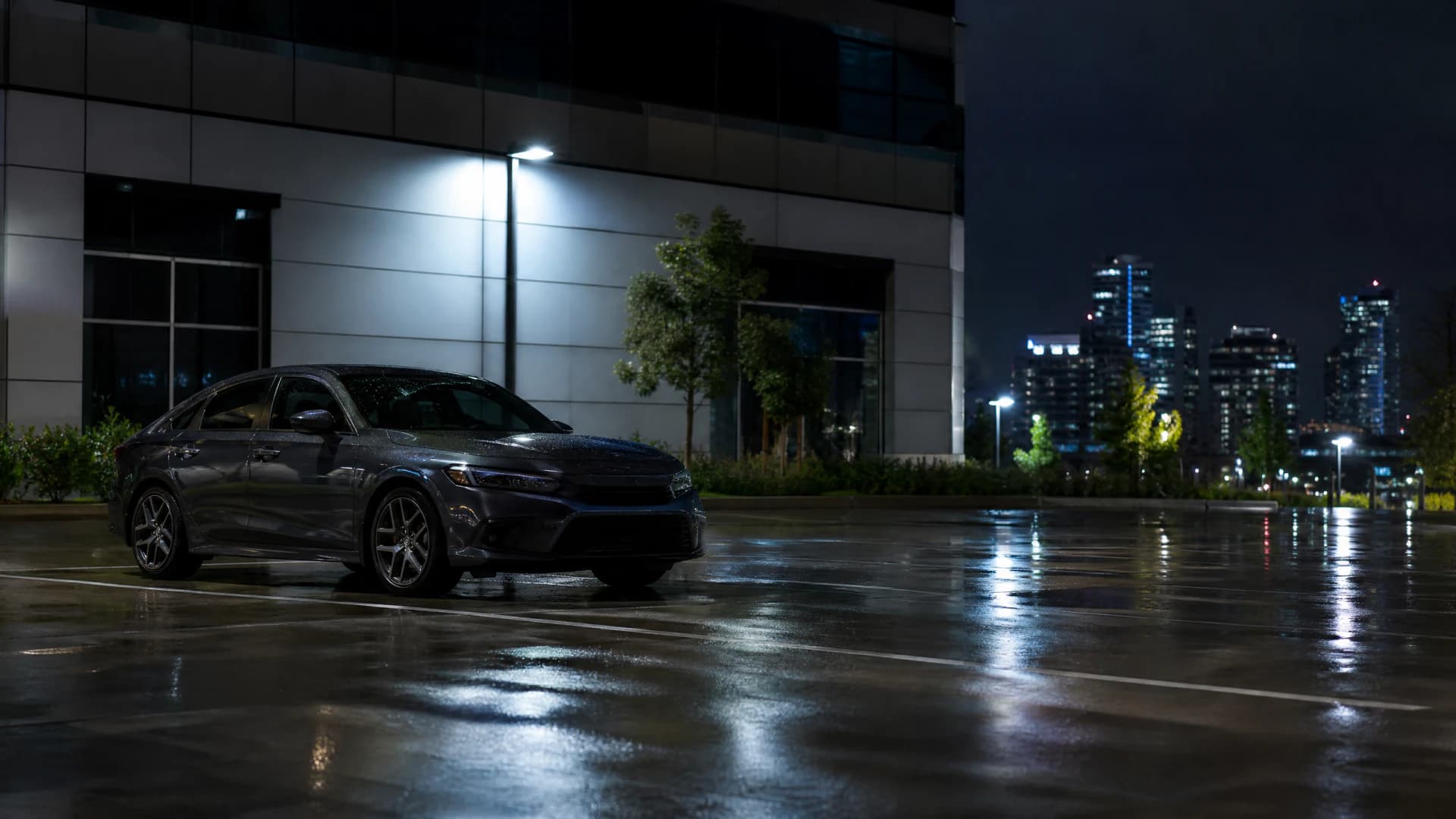
Full coverage on multiple vehicles compounds by vehicle value, not by a flat per-car add-on — a household's total premium reflects the sum of individually-rated collision and comprehensive coverage on every car.






When Full Coverage Makes Sense for a Multi-Vehicle Household
The decision to carry full coverage on every vehicle depends on each car's value and how you would replace it after a total loss. A common rule of thumb: if a vehicle's value is less than ten times the annual collision and comprehensive premium for that car, dropping physical-damage coverage and self-insuring the vehicle may be the better financial decision.
Households with multiple vehicles often split their coverage: full coverage on newer or higher-value cars, liability-only on older paid-off vehicles. This strategy lowers the total premium while protecting the assets that are hardest to replace out of pocket. A household insuring a 2021 SUV, a 2015 sedan, and a 1998 pickup might carry full coverage on the SUV, full coverage on the sedan, and liability-only on the truck, saving the collision and comprehensive premium on the oldest vehicle without leaving the household unprotected.
Lienholders complicate this decision. If you're financing or leasing a vehicle, the lender requires collision and comprehensive until the loan is paid off. You cannot drop physical-damage coverage on a financed car without violating the loan agreement, which can trigger forced-place insurance at a much higher cost. For financed vehicles, full coverage is mandatory regardless of the vehicle's age or value. For owned vehicles, it's a choice you make by comparing replacement cost to annual premium.
$25,000 / $50,000 / $25,000
Kansas Minimum Liability Limits
These limits — $25,000 per person, $50,000 per accident, $25,000 property damage — are the floor Kansas requires. Full coverage adds collision and comprehensive on top of these liability minimums, not in place of them.
Kansas auto_insurance_state_data
How Deductibles Shape Your Full-Coverage Premium
The deductible is the amount you pay out of pocket before the carrier pays a collision or comprehensive claim. Choosing a higher deductible lowers your monthly premium because you're assuming more of the financial risk yourself. Choosing a lower deductible raises your premium but reduces what you pay after a claim.
For a multi-vehicle household, deductible strategy matters. You can choose different deductibles for different vehicles — a $500 deductible on a newer car you cannot afford to replace out of pocket, a $1,000 deductible on an older car where you have more savings cushion. Some households choose a higher deductible across the board and set aside the premium savings in an emergency fund, effectively self-insuring the first $1,000 of any claim. The right choice depends on your household's cash reserves and how many vehicles you're covering.
Comparing Carriers That Write Multi-Vehicle Full Coverage in Kansas
Kansas has 21 carriers writing auto insurance in the state, and most write multi-vehicle policies with full coverage. Carriers that explicitly write multi-car households and offer online quotes include Geico, Progressive, State Farm, Allstate, Farmers, American Family, and Travelers. Non-standard carriers like Bristol West, Dairyland, The General, and National General also write multi-vehicle policies and may offer better rates for households with older vehicles or mixed driving records.
The multi-car discount — the percentage reduction most carriers apply when you insure two or more vehicles on one policy — varies by carrier and is not publicly disclosed as a specific figure. The discount typically requires every vehicle to sit on the same policy and be garaged at the same address. Some carriers offer additional discounts for bundling auto and home insurance, paying in full, or setting up automatic payments. When you're comparing full-coverage quotes for multiple vehicles, ask each carrier what their multi-car discount structure is and whether any vehicles in your household would be excluded from the discount due to titling or garaging differences.
Quotes vary widely by carrier even when coverage limits and deductibles are identical, because each carrier uses its own underwriting model to price collision and comprehensive. A carrier that rates your household favorably for liability may price your vehicles higher for physical-damage coverage, or vice versa. The only way to know which carrier offers the best full-coverage rate for your specific household is to compare quotes from at least three carriers writing multi-vehicle policies in Kansas.
What Full Coverage Actually Pays For
Collision coverage pays to repair or replace your vehicle after a crash you caused or a single-vehicle accident — backing into a pole, sliding off an icy road, or hitting another car when you're at fault. It does not cover the other driver's car; your liability coverage handles that. Collision pays your own repair bill up to the vehicle's actual cash value, minus your deductible. If your car is totaled, the carrier pays the pre-crash market value, not what you originally paid or what you owe on a loan.
Comprehensive coverage pays for non-collision damage: theft, hail, flood, fire, vandalism, hitting a deer, or a tree falling on your parked car. It also covers glass damage in most policies. Like collision, comprehensive pays up to the vehicle's actual cash value minus your deductible. Kansas weather — severe thunderstorms, hail, occasional ice storms — makes comprehensive relevant even in low-crime counties. If you park outside or drive rural routes where deer are common, comprehensive is the coverage that responds.
Get Your Free Quote
Get My Kansas Car Insurance QuoteFrequently Asked Questions
Does full coverage cost the same for every car on my policy?
No. Collision and comprehensive premiums are priced individually by each vehicle's actual cash value. A newer or higher-value car will cost more to insure for physical damage than an older or lower-value car, even when both are on the same policy with the same deductibles.
Can I carry full coverage on some vehicles and liability-only on others?
Yes, unless a vehicle is financed or leased. Lienholders require collision and comprehensive until the loan is paid off. For owned vehicles, you can choose full coverage on some cars and liability-only on others, a common strategy for households with mixed vehicle values.
What is the multi-car discount and does it apply to full coverage?
The multi-car discount is a percentage reduction most carriers apply when you insure two or more vehicles on one policy. It applies to the total premium, including collision and comprehensive, but the discount percentage varies by carrier and is not publicly disclosed.
How does my deductible affect my full-coverage premium?
A higher deductible lowers your monthly premium because you assume more financial risk yourself. A $1,000 deductible costs less per month than a $500 deductible, but you pay more out of pocket after a claim. You can choose different deductibles for different vehicles on the same policy.
Do I need full coverage if my car is paid off?
No. Once a vehicle is paid off, you can drop collision and comprehensive and carry liability-only if the vehicle's value is low enough that you could replace it out of pocket. Many households drop physical-damage coverage on older vehicles to lower their total premium.
What does comprehensive cover that collision does not?
Comprehensive covers non-collision damage: theft, hail, flood, fire, vandalism, hitting a deer, or a tree falling on your car. Collision covers crash damage when you're at fault or single-vehicle accidents like sliding off the road. Both pay up to the vehicle's actual cash value minus your deductible.