
Car Insurance Cost in Kansas — Multi-Vehicle Households
Free to compare
What Kansas Households Pay for Multiple Cars
You just added a second vehicle to your Kansas policy and the premium jumped more than you expected. Or you're comparing whether to combine two separate policies after a marriage or household move, and the math doesn't line up with what you were told about multi-car savings. The confusion is structural: the multi-car discount applies to policies, not households, and adding a vehicle doesn't just add a flat amount — it re-rates the entire policy based on the new risk profile.
Kansas law requires every registered vehicle to carry at least $25,000 bodily injury per person, $50,000 bodily injury per accident, and $25,000 property damage, plus personal injury protection and uninsured motorist coverage. When you add a second or third car, each vehicle must meet those minimums, and the carrier recalculates the combined premium based on all drivers, all vehicles, and the household's total exposure. The multi-car discount reduces that combined premium, but only when every vehicle sits on the same policy.
“The multi-car discount applies to policies, not households — a car on a separate policy doesn't count, even at the same address.”

Find Coverage That Keeps You Legal in Kansas
Get My Kansas Car Insurance Quote$25,000 / $50,000 / $25,000
Kansas Minimum Liability Limits
Every vehicle registered in Kansas must carry at least $25,000 bodily injury coverage per person, $50,000 per accident, and $25,000 property damage. Personal injury protection and uninsured motorist coverage are also mandatory under Kansas law.
Kansas Department of Revenue, Division of Vehicles
How the Multi-Car Discount Actually Works
The multi-car discount is not a per-vehicle reduction. It's a percentage applied to the combined premium when two or more vehicles appear on the same policy. Most carriers require that every vehicle be titled or registered to someone listed on the policy, and that all vehicles share the same garaging address. A car titled to a household member who maintains a separate policy does not count toward your multi-car discount, even if you live at the same address.
When you add a vehicle mid-term, the carrier re-rates the policy immediately. The new premium reflects the added vehicle's make, model, year, and usage, plus the driving records of everyone in the household who has access to any vehicle on the policy. If the newly added vehicle is higher-risk — a sports car, a vehicle driven by a young driver, or a car with comprehensive and collision coverage — the re-rated premium can exceed the original premium plus the cost of insuring the new car separately.
Combining two existing policies works the same way. The carrier builds a new combined policy with every vehicle and every driver from both original policies, applies the multi-car discount to the new total, and compares that figure to the sum of the two separate premiums. Sometimes the combined premium is lower. Sometimes it's higher, especially when one policy carried a preferred-driver discount that disappears once a higher-risk driver joins the household policy.

The multi-car discount requires every vehicle on the same policy. A car titled to someone on a different policy does not count, even if you share a household.




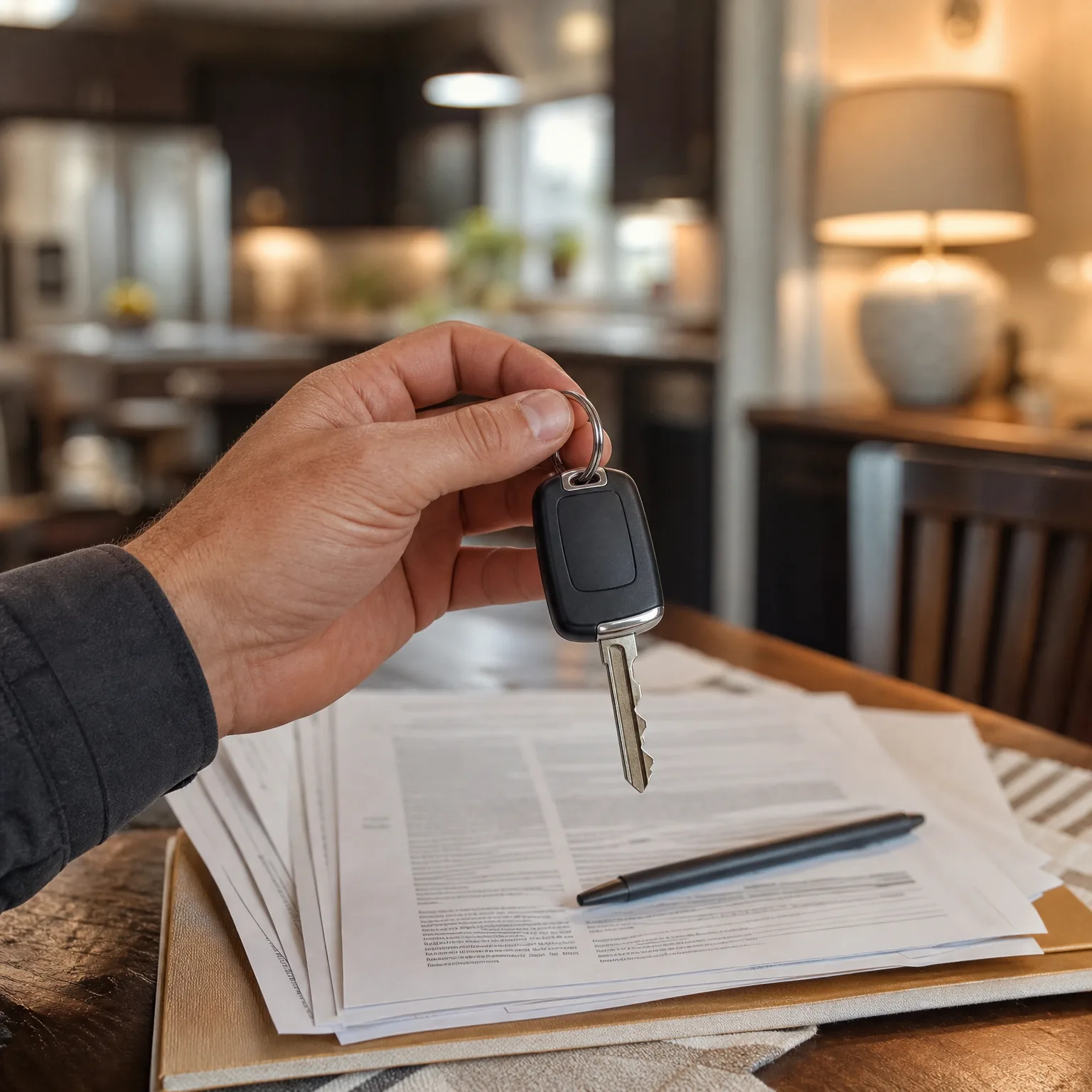


When Combining Policies Costs More
Combining two policies does not always lower the total premium. If one spouse qualifies for a preferred-driver discount — clean record, good credit in states where credit-based pricing is legal, low annual mileage — and the other does not, merging the policies can eliminate the preferred discount entirely. The combined policy is priced at the household's average risk, not the best driver's risk.
Kansas allows carriers to use credit-based insurance scores, and combining policies merges both spouses' credit profiles into a single household score. If one person's credit is significantly lower, the combined score can push the household into a higher-rate tier. Some carriers offer separate policies for married couples specifically to preserve one spouse's preferred rate, but that structure forfeits the multi-car discount.
Households with four or more vehicles sometimes hit carrier-specific caps on the multi-car discount. A carrier might apply the discount to the first three vehicles and price the fourth at standard rates, or cap the total discount percentage regardless of vehicle count. If you own several vehicles but drive only two regularly, ask whether a stated-value or low-mileage policy for the rarely-driven cars saves more than adding them to the primary policy with the multi-car discount applied.
12%
Kansas Uninsured Motorist Rate
Twelve percent of Kansas drivers are uninsured, which is why the state mandates uninsured motorist coverage on every policy. Multi-vehicle households face higher exposure because each car on the road increases the chance of an uninsured-driver collision.
Insurance Research Council, 2023

Structuring Coverage Across Multiple Vehicles
Liability limits apply per vehicle, but Kansas requires the same minimums on every car. You cannot carry $25,000/$50,000/$25,000 on one vehicle and higher limits on another unless you raise the limits on both. If you want higher liability protection on the vehicle your teenager drives, you raise the limits on every car.
Comprehensive and collision coverage can vary by vehicle. Dropping collision on the older car while keeping it on the newer one is common and usually saves more than the multi-car discount costs. Deductibles can also vary: a $1,000 deductible on the older car and a $500 deductible on the financed vehicle balances premium cost against out-of-pocket risk.
Compare Carriers That Write Multi-Vehicle Policies in Kansas
Kansas has 21 carriers writing multi-vehicle policies, and each prices the multi-car discount differently. Some apply the discount to every vehicle equally; others apply a larger discount to the second vehicle and a smaller discount to the third and fourth. Some carriers offer better rates for households with all vehicles garaged at the same address, while others price each vehicle's garaging location independently. The only way to know which structure fits your household is to compare quotes with every vehicle, every driver, and your actual coverage selections entered identically across carriers.
Start with carriers that specialize in multi-vehicle households: State Farm, Geico, Progressive, Allstate, and Farmers all write policies for households with three or more cars and offer online quoting tools that let you model different coverage combinations. If your household includes a high-risk driver — someone with a DUI, a suspended license, or multiple violations — ask whether separating that driver onto a non-standard policy and keeping the other vehicles on a standard multi-car policy saves money compared to one combined household policy. Some households save more by splitting risk across two policies than by consolidating everything under the multi-car discount.

Get Quotes for Your Kansas Multi-Vehicle Household
You now understand how the multi-car discount works, what drives premium differences across multiple vehicles, and when combining policies costs more instead of less. The next step is to compare carriers with your actual household structure: every vehicle you own, every driver who has access to them, and the coverage levels that fit your situation. Enter your information once and compare quotes from carriers writing in Kansas. The comparison shows you which carrier's multi-car discount structure and rating model produces the lowest combined premium for your household.
What Drives Multi-Vehicle Premium Differences in Kansas
Vehicle characteristics matter more than most households expect. A 2015 sedan and a 2023 pickup on the same policy are priced individually based on repair costs, theft rates, and safety ratings, then combined. Comprehensive and collision coverage on multiple vehicles compounds quickly — a $500 deductible on three cars costs more than three times a $500 deductible on one, because each vehicle's coverage limit and the household's total insured value both increase. Carriers also consider where each vehicle is garaged: a car parked overnight in Wichita may be priced differently than one garaged in a rural county, even on the same policy.
Driver assignments drive the largest premium swings. Kansas carriers assume that every licensed household member has access to every vehicle on the policy unless explicitly excluded. Adding a teenage driver to a multi-car policy re-rates every vehicle, not just the one the teen drives most often. If one spouse has a DUI or multiple speeding tickets, that record affects the premium for every car on the policy. Some carriers allow you to exclude a household member by name, but that person then cannot legally drive any vehicle on the policy, even in an emergency.
Get Your Free Quote
Get My Kansas Car Insurance QuoteFrequently Asked Questions
Does Kansas require the same liability limits on every vehicle?
Yes. Kansas requires every registered vehicle to carry at least $25,000 bodily injury per person, $50,000 per accident, and $25,000 property damage, plus personal injury protection and uninsured motorist coverage. You can raise limits on all vehicles, but you cannot carry lower limits on one car and higher limits on another.
Can I get the multi-car discount if one vehicle is titled to my spouse on a separate policy?
No. The multi-car discount requires every vehicle to appear on the same policy. A car titled to your spouse on a different policy does not count toward your discount, even if you live at the same address and share household expenses.
What happens to my premium when I add a third vehicle mid-term?
The carrier re-rates your entire policy immediately based on the new vehicle's make, model, year, usage, and the driving records of everyone in your household. The new premium reflects the combined risk of all three vehicles, with the multi-car discount applied to the total. Sometimes the increase is less than insuring the third car separately; sometimes it's more, especially if the new vehicle is high-risk or driven by a young driver.
Does combining two policies after marriage always save money?
No. Combining policies eliminates individual preferred-driver discounts and merges both spouses' driving records and credit profiles into one household rating. If one spouse has a clean record and good credit and the other does not, the combined premium can exceed the sum of the two separate policies.
Can I drop collision coverage on one vehicle but keep it on another?
Yes. Comprehensive and collision coverage can vary by vehicle on the same policy. Dropping collision on an older car with low market value while keeping it on a financed newer vehicle is common and usually saves more than the multi-car discount costs.
How many vehicles can I insure on one Kansas policy?
Most Kansas carriers allow four to six vehicles on one policy, but some cap the multi-car discount after the third vehicle. If you own more than four cars, ask whether the carrier applies the discount to every vehicle or caps it at a set percentage regardless of vehicle count.
Do all household members have to be listed on a multi-car policy?
Kansas carriers assume every licensed household member has access to every vehicle on the policy unless explicitly excluded by name. Excluding a household member means that person cannot legally drive any vehicle on the policy, even in an emergency. If a household member maintains a separate policy for their own vehicle, they do not need to be listed on yours.