
Car Insurance Coverage Levels — Kansas
Free to compare
The Coverage Decision Multiplies Across Every Vehicle
You're insuring two cars, maybe three. Kansas law requires liability coverage on every vehicle: $25,000 per person for bodily injury, $50,000 per accident, and $25,000 for property damage. The state also mandates personal injury protection and uninsured motorist coverage. That's the floor. The question that matters to your household is whether you add collision and comprehensive to each car, turning minimum coverage into full coverage, and whether you make that choice the same way for every vehicle or differently by car.
The decision compounds. A three-year-old SUV you're still financing does. When both sit on the same policy, you structure coverage vehicle by vehicle, and the multi-car discount applies to the combined premium regardless of which cars carry full coverage and which carry minimum.
“The multi-car discount applies to the total policy premium, not to individual vehicles, so you protect high-value cars without overpaying to insure low-value ones.”

Find Coverage That Keeps You Legal in Kansas
Get My Kansas Car Insurance Quote$25,000 / $50,000 / $25,000
Kansas Minimum Liability Limits
Kansas statute requires every driver to carry at least $25,000 bodily injury per person, $50,000 bodily injury per accident, and $25,000 property damage per accident. Personal injury protection and uninsured motorist coverage are also mandatory.
Kansas statutes, Kansas Department of Revenue Division of Vehicles
What Minimum Coverage Actually Covers
Minimum coverage in Kansas means liability, personal injury protection, and uninsured motorist coverage. Liability pays the other driver's bills when you cause an accident: their medical costs up to your per-person and per-accident limits, and their vehicle repair or replacement up to your property damage limit. Personal injury protection pays your own medical expenses and lost wages regardless of fault, up to the policy limit. Uninsured motorist coverage pays your costs when the at-fault driver has no insurance or insufficient coverage.
Minimum coverage does not pay to repair or replace your own vehicle after an accident you cause. It does not pay if your car is stolen, vandalized, or damaged by hail, flood, or fire. It does not cover a deer strike or a tree falling on your car in a storm. Those risks sit with you. If the vehicle is totaled and you owe more on the loan than the car is worth, you pay the gap out of pocket unless you carry gap insurance separately.
For a household with multiple vehicles, this means every car carrying only minimum coverage is self-insured for physical damage. One accident can total a car and leave you replacing it entirely from savings or taking on new debt. When you're managing two or three vehicles, that exposure multiplies.
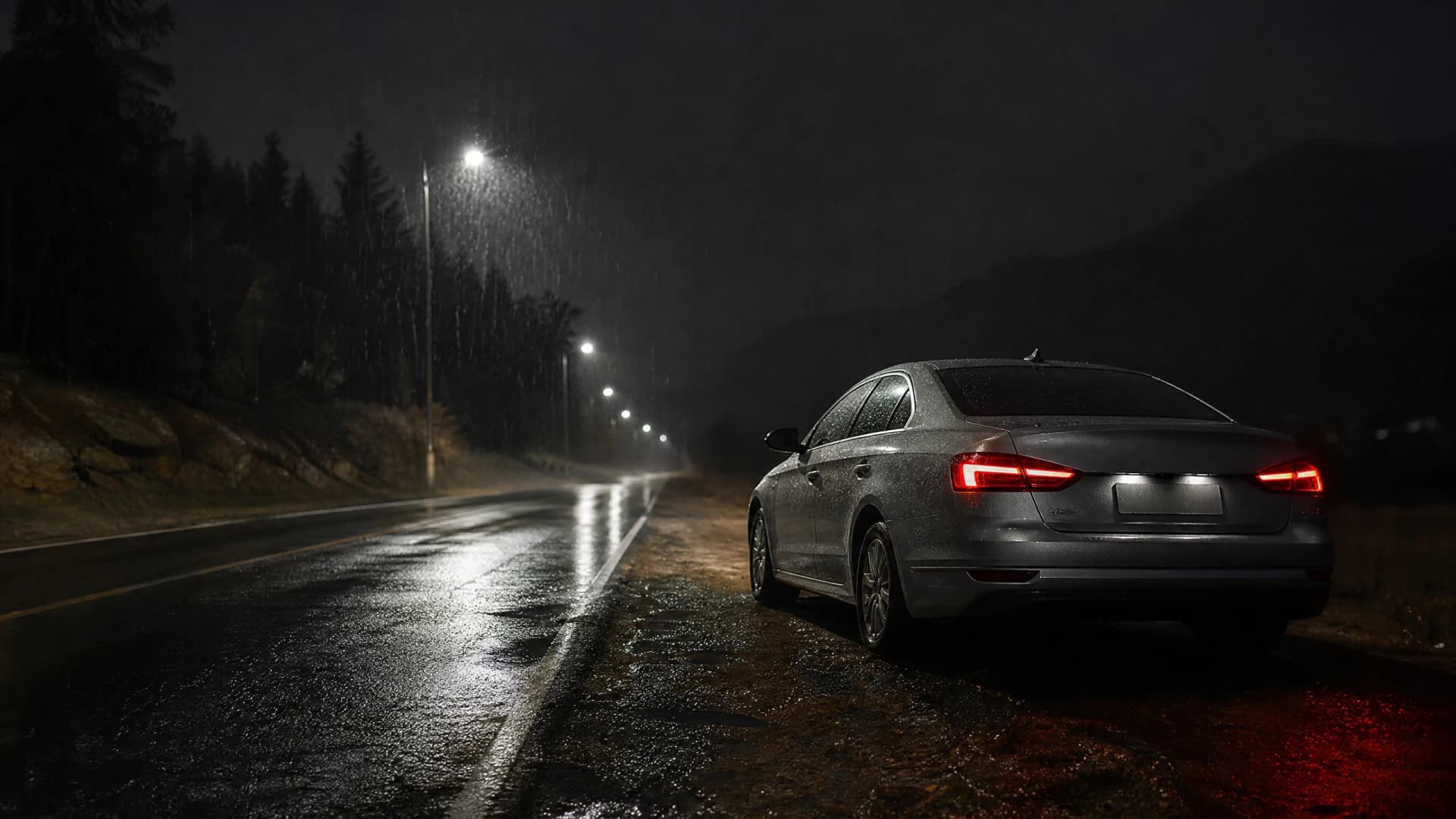
Minimum coverage protects you legally but leaves every vehicle on your policy unprotected for physical damage. The choice you make for one car does not bind the others.
Related Articles



How Multi-Vehicle Households Structure Coverage
Lenders require collision and comprehensive until the loan is paid off. Once the car is yours outright, the coverage becomes optional, and the decision hinges on whether the vehicle's value justifies the premium.
The multi-car discount applies to the total policy premium, not to individual vehicles. Adding a second or third car to the policy lowers the per-vehicle cost regardless of which cars carry full coverage.
This structure lets you protect high-value vehicles without overpaying to insure low-value ones. A three-car household might carry full coverage on the two newer cars and minimum coverage on the 15-year-old truck used only for weekend errands.
Kansas carriers re-rate the entire policy when you add or remove a vehicle or change coverage on any car. If you drop collision and comprehensive on one vehicle mid-term, the premium adjusts immediately. If you add a car, the new vehicle's coverage choices affect the total premium from the date it's added. Structuring coverage well at the start avoids mid-term adjustments and the billing confusion they create.
12%
Kansas Uninsured Motorist Rate
Twelve percent of Kansas drivers carry no insurance. Uninsured motorist coverage, which Kansas requires, pays your costs when an at-fault driver has no coverage. It does not replace collision or comprehensive.
Insurance Research Council, 2023
When to Drop Collision and Comprehensive
The conventional threshold is this: when a vehicle's market value falls below ten times the annual collision and comprehensive premium, consider dropping those coverages. The math is not rigid, but it gives you a frame.
Kansas households with multiple vehicles often reach this threshold on different cars at different times. The sedan you bought new eight years ago may still justify full coverage. The minivan you bought used three years ago may not. When one vehicle crosses the threshold, you drop collision and comprehensive on that car alone and leave the others unchanged. The multi-car discount remains intact as long as every vehicle stays on the same policy, regardless of coverage level.
Compare Carriers That Write Multi-Vehicle Policies in Kansas
Kansas households insuring multiple vehicles compare carriers on total policy cost, not individual vehicle premiums. State Farm, Geico, Progressive, Allstate, Farmers, American Family, and USAA all write multi-car policies in Kansas and offer multi-vehicle discounts. The size of the discount and the base rate vary by carrier.
When you compare, specify every vehicle on the policy and the coverage level you want for each. A quote that assumes full coverage on every car will overstate cost if you plan to carry minimum coverage on one. A quote that assumes minimum coverage on every car will understate cost if you're financing two of them and the lender requires collision and comprehensive. Accurate quotes require accurate vehicle and coverage details up front. Use the comparison tool to see which Kansas carriers offer the lowest combined premium for your household's specific mix of vehicles and coverage levels.
What Full Coverage Adds to the Policy
Collision and comprehensive are sold with deductibles: you choose $500, $1,000, or another amount, and the insurer pays claims above that threshold. A $1,000 deductible lowers your premium compared to a $500 deductible, but you pay the first $1,000 of every claim yourself. The deductible applies per incident, not per year. Two claims in one year mean two deductibles.
When you add collision and comprehensive to a vehicle, you're buying protection for that specific car's value. The coverage decision is vehicle-specific, and Kansas carriers let you structure it differently for each car on the same policy.
Get Your Free Quote
Get My Kansas Car Insurance QuoteFrequently Asked Questions
Can I carry full coverage on one car and minimum coverage on another on the same Kansas policy?
Yes. Kansas carriers let you structure coverage vehicle by vehicle on a multi-car policy. You can carry collision and comprehensive on financed or high-value vehicles and minimum coverage on older paid-off cars. The multi-car discount applies to the total premium regardless of which cars carry full coverage.
Does dropping collision and comprehensive on one vehicle affect my multi-car discount in Kansas?
No. The multi-car discount applies as long as every vehicle in your household sits on the same policy. Dropping collision and comprehensive on one car lowers your premium but does not remove the discount. The discount is policy-level, not coverage-level.
What happens if I total a car that only has minimum coverage in Kansas?
You receive nothing from your insurer to replace the vehicle. Minimum coverage pays the other driver's costs when you cause an accident, but it does not pay to repair or replace your own car. You replace the vehicle out of pocket or through a loan.
Do I need uninsured motorist coverage if I already have collision coverage in Kansas?
Yes. Kansas requires uninsured motorist coverage on every policy. It pays your medical costs and lost wages when an at-fault driver has no insurance. Collision pays to repair your vehicle. They cover different losses and are not substitutes.
How do I know if a vehicle is worth keeping full coverage on in Kansas?
Compare the vehicle's current market value to the annual cost of collision and comprehensive coverage. If the car is worth less than ten times the annual premium for those coverages, consider dropping them.
Can I add collision and comprehensive to a vehicle mid-term in Kansas?
Yes. Contact your carrier and request the change. The premium adjusts immediately from the date you add the coverage. Most Kansas carriers process mid-term coverage additions within one business day.