
Car Insurance Costs — Kansas
Free to compare
What Kansas Drivers Pay for Multi-Car Coverage
You own two cars, maybe three, and you're trying to figure out what insuring all of them in Kansas actually costs. You know the state requires liability coverage, but you're not sure whether putting every vehicle on one policy saves money or whether separate policies make sense for your household.
The answer depends on how you structure your policies. Kansas law requires $25,000 per person and $50,000 per accident in bodily injury liability, plus $25,000 in property damage liability. Personal injury protection and uninsured motorist coverage are also mandatory. The multi-car discount lowers your per-vehicle cost, but only when every vehicle sits on the same policy — not just the same household.
“The multi-car discount disappears entirely if even one vehicle sits on a separate policy.”

Find Coverage That Keeps You Legal in Kansas
Get My Kansas Car Insurance Quote$869.46
Kansas Average Annual Expenditure Per Insured Vehicle
This figure reflects the 2023 average across all coverage levels and driver profiles in Kansas. Your household's actual cost depends on the number of vehicles, coverage selections, and whether you qualify for the multi-car discount.
NAIC Auto Insurance Database Report 2023
How the Multi-Car Discount Works in Kansas
The multi-car discount applies when you insure two or more vehicles on a single policy. Most carriers writing in Kansas — including State Farm, Geico, Progressive, Allstate, and American Family — offer this discount, but the structure varies by carrier.
The discount typically reduces the premium for each vehicle beyond the first. The second car costs less than it would on a standalone policy, and the third car costs less still. But the discount only applies when every vehicle is titled to the same policyholder or household members listed on the policy and garaged at the same address.
If one vehicle is titled to someone outside your household, or if a household member maintains a separate policy, that vehicle does not count toward the multi-car discount. You lose the savings on every car, not just the one that's separate.
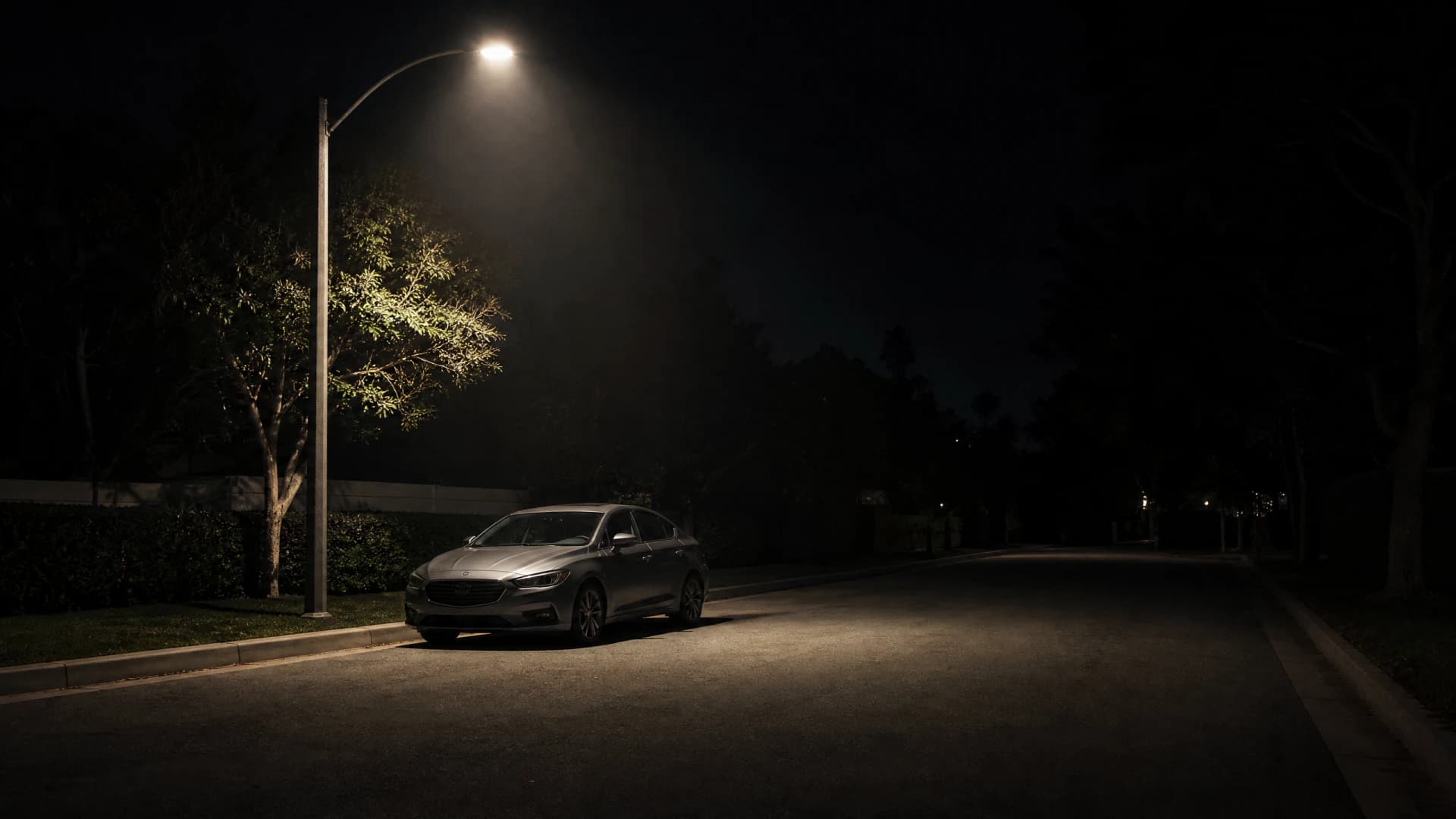
The multi-car discount disappears entirely if even one vehicle sits on a separate policy. Every car must be on the same policy to qualify.
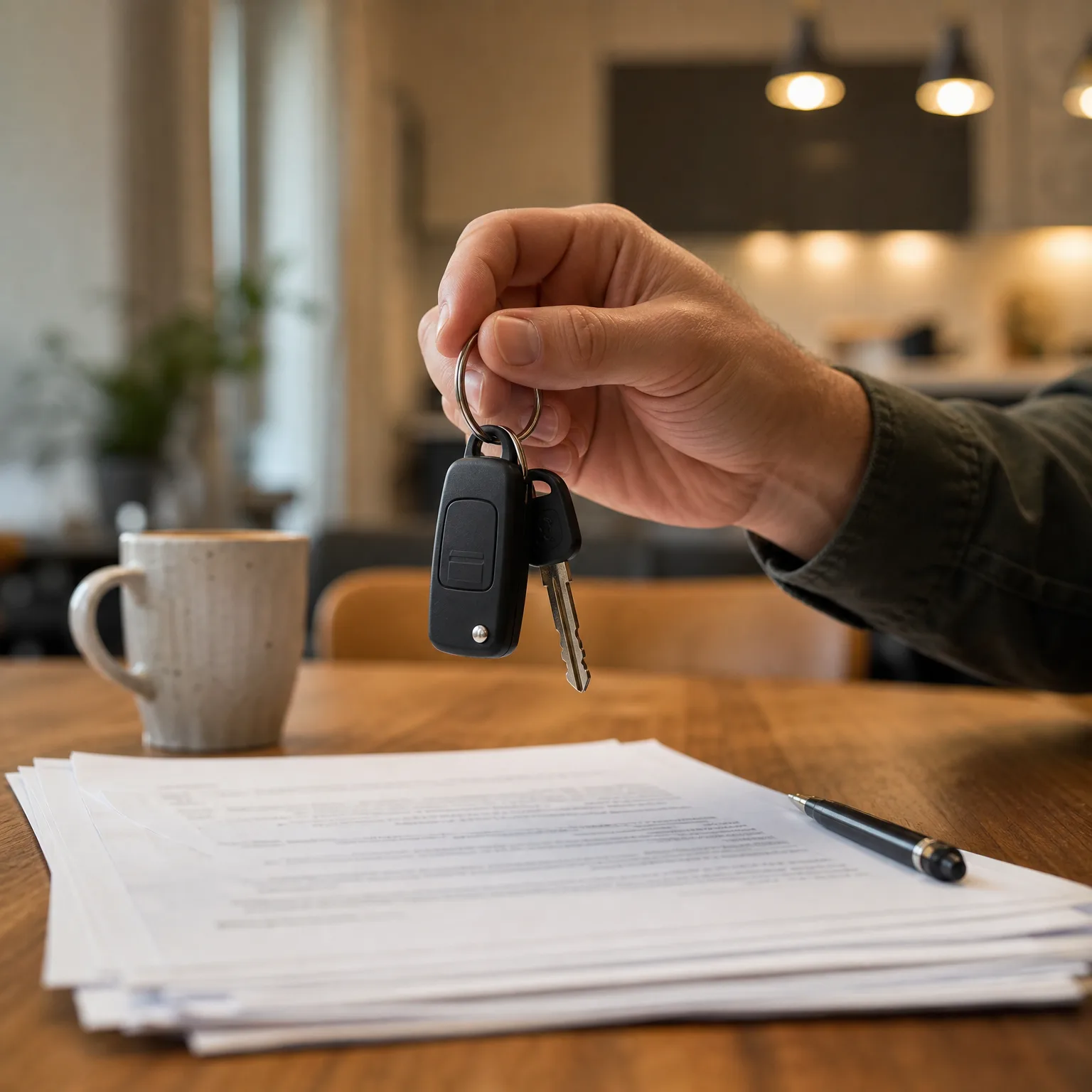
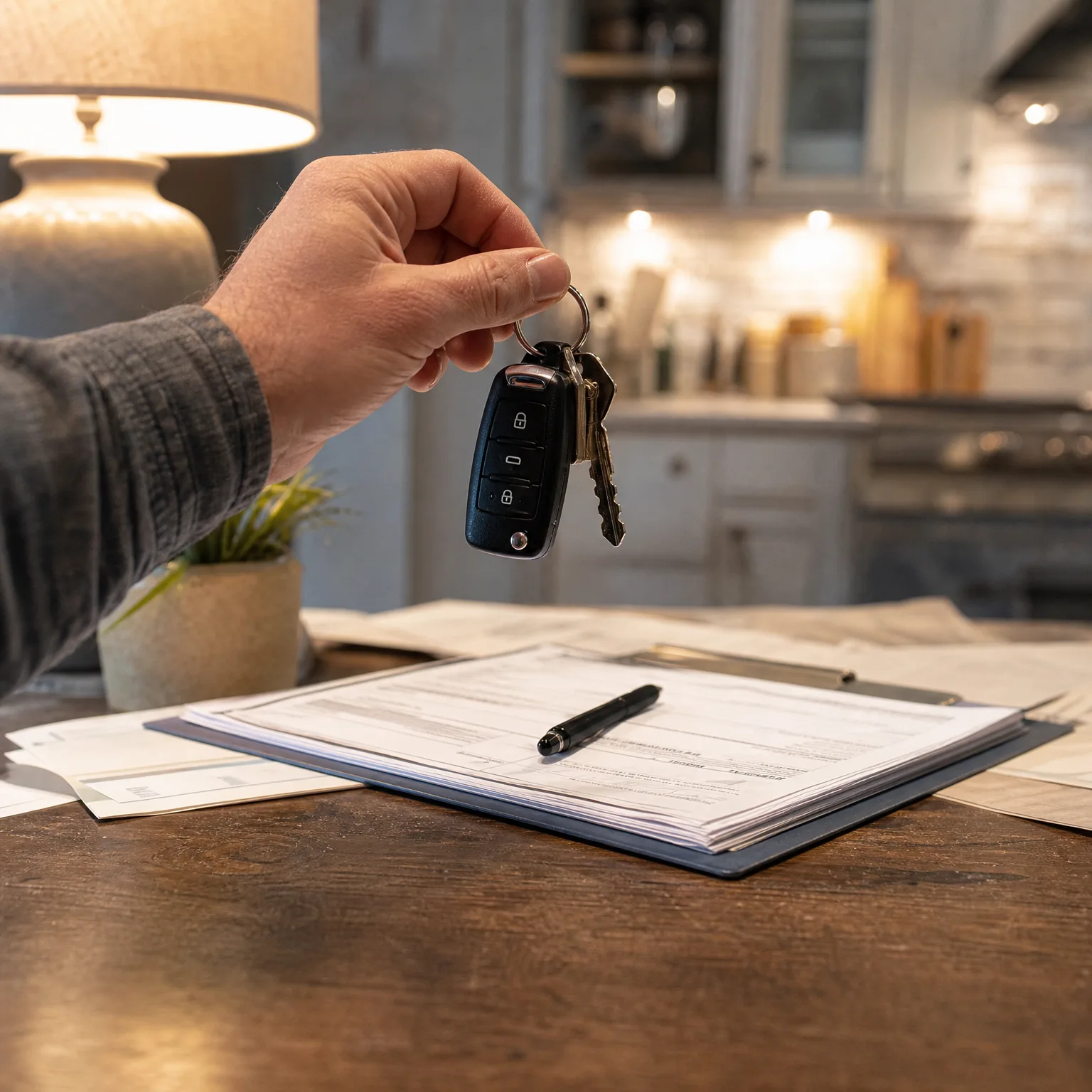
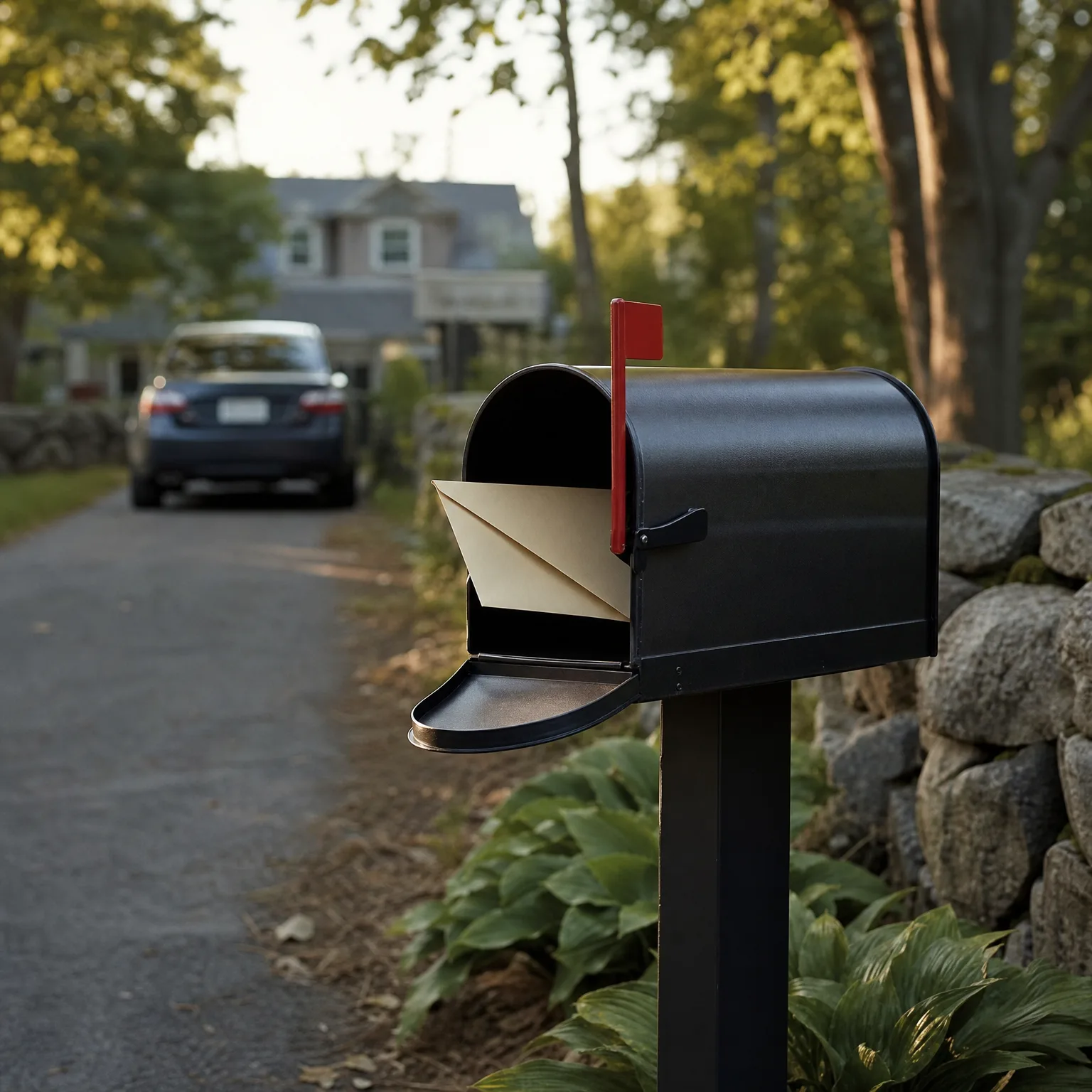
What Happens When You Add a Vehicle Mid-Term
Most Kansas carriers give you a grace period — typically 14 to 30 days — to report a newly purchased or titled vehicle. During that window, the new car is covered under your existing policy's liability and collision terms. After the grace period expires, an unreported vehicle can be denied at claim time.
When you formally add the vehicle, the carrier re-rates your entire policy. The new premium reflects the added vehicle's make, model, year, garaging location, and how it changes your household's overall risk profile. The multi-car discount adjusts automatically, but the total premium almost always increases because you're insuring one more asset.
If the new vehicle is titled to someone not listed on your policy — a college-age child living elsewhere, a parent who moved in temporarily — you may need to add that person as a listed driver or exclude them explicitly. Carriers writing in Kansas handle this differently: some require every household member with a license to be listed or excluded; others allow exceptions for non-resident relatives.
12%
Kansas Uninsured Motorist Rate
One in eight Kansas drivers lacks liability insurance. Uninsured motorist coverage is mandatory in Kansas and protects your household when an at-fault driver cannot pay for damages.
Insurance Research Council, 2023

Combining Policies After Marriage or a Move
When two people with separate policies move in together or get married, combining policies usually lowers the total premium. The multi-car discount applies, and carriers often offer a multi-policy or bundling discount if you also combine renters or homeowners coverage. But the savings are not automatic — you must actively combine the policies and list both people as named insureds.
If one spouse keeps a separate policy because their vehicle is titled solely in their name, the multi-car discount does not apply to either policy. The household pays more in total than it would with one combined policy covering both vehicles. Kansas carriers require every vehicle on a multi-car policy to be titled to a named insured or a household member listed on the policy.
Compare Carriers That Write Multi-Car Policies in Kansas
Twenty-one carriers write auto insurance in Kansas, including State Farm, Geico, Progressive, Allstate, American Family, Farmers, Nationwide, USAA, Liberty Mutual, and Travelers. Not all carriers offer the same multi-car discount structure, and some specialize in households with three or more vehicles.
Request quotes from at least three carriers and compare the total premium for all your vehicles on one policy. Ask each carrier how they handle mid-term additions, whether they require every household member to be listed or excluded, and what happens if a vehicle is titled to someone outside the household. The carrier with the lowest single-car rate may not offer the best multi-car discount, and a smaller discount on a lower base rate can beat a larger discount on a higher one.
State Minimums and How They Apply to Multiple Vehicles
Each vehicle on your policy must meet the $25,000 per person, $50,000 per accident bodily injury liability minimum and the $25,000 property damage minimum. Personal injury protection covers medical expenses for you and your passengers regardless of fault, and uninsured motorist coverage protects you when the other driver lacks insurance. Kansas has a 12% uninsured motorist rate, so this coverage is not optional.
When you insure multiple vehicles on one policy, the liability limits apply per accident, not per vehicle. If two of your cars are involved in separate accidents on the same day, each accident is covered up to the policy limits. Adding a third or fourth vehicle does not dilute your coverage — it increases your exposure, which is why carriers re-rate the entire policy when you add a car.
Get Your Free Quote
Get My Kansas Car Insurance QuoteFrequently Asked Questions
Does Kansas require insurance on every vehicle I own?
Yes. Kansas requires every registered vehicle to carry liability coverage at or above $25,000/$50,000/$25,000, plus personal injury protection and uninsured motorist coverage. If you own multiple vehicles, each must meet the state minimums, even if you rarely drive one of them.
Can I insure two cars on separate policies and still get the multi-car discount?
No. The multi-car discount applies only when every vehicle sits on the same policy. If you maintain separate policies for two vehicles, neither policy qualifies for the discount, even if both are with the same carrier.
What happens if I add a third car to my Kansas policy mid-term?
Your carrier re-rates the entire policy to reflect the added vehicle. Most Kansas carriers give you a 14- to 30-day grace period to report the new car, during which it's covered under your existing policy terms. After that window, an unreported vehicle can be denied at claim time.
Do I need to list every household member on my multi-car policy?
Most Kansas carriers require every licensed household member to be listed as a driver or explicitly excluded. If a household member has their own policy, they can be excluded, but their vehicle will not count toward your multi-car discount.
Can I combine policies with my spouse after we get married in Kansas?
Yes. Combining policies after marriage usually lowers your total premium because the multi-car discount applies and carriers often offer a bundling discount. Both spouses must be listed as named insureds, and every vehicle must be on the same policy to qualify.
How does Kansas PIP coverage work when I insure multiple vehicles?
Personal injury protection covers medical expenses for you and your passengers regardless of fault. Kansas requires PIP on every policy, and the coverage applies per accident, not per vehicle. If two of your cars are in separate accidents, each accident is covered up to your PIP limit.