Farmers Multi-Car Insurance — Kansas
Free to compare
Does Farmers Write Multi-Car Policies in Kansas
Farmers writes multi-car policies in Kansas. The carrier is licensed statewide through multiple Farmers Group entities and offers standard-tier coverage for households insuring two or more vehicles on a single policy. Farmers also writes SR-22 certificates, non-owner policies, and after-DUI coverage in Kansas, which matters when one household vehicle or driver carries a filing requirement.
The structural question most Kansas households hit: whether Farmers requires every vehicle to sit on the same policy to qualify for the multi-car discount, and whether a vehicle garaged at a second address or titled to someone outside the household counts. Farmers enforces a same-garaging-address rule stricter than many carriers, which blocks some households from combining policies even when every car belongs to the same family.
“Farmers blocks the multi-car discount when vehicles garage at different addresses, even if the same person owns both cars.”
Find Coverage That Keeps You Legal in Kansas
Get My Kansas Car Insurance Quote20 carriers
Kansas Multi-Car Roster
Kansas households can compare 20 carriers writing multi-vehicle policies statewide, including Farmers, Geico, Progressive, State Farm, and Allstate. Carrier rosters vary by whether they write SR-22, non-owner, or after-DUI coverage alongside standard policies.
Kansas Department of Insurance licensed carrier roster, 2025
Same-Policy Requirement and Garaging Address
Farmers requires every vehicle on a multi-car policy to garage at the same address. A second car parked at a college dorm, a work location, or a second home does not qualify for the same-policy discount unless Farmers classifies that address as a temporary location tied to the primary garaging address. Most carriers allow a vehicle garaged elsewhere if the owner lives at the primary address, but Farmers ties the discount to where the car is parked overnight, not just who owns it.
A household with one car at the primary residence and a second car garaged across town for a college student or a spouse working in another city will not receive the multi-car discount from Farmers unless both vehicles return to the same address. The policy can still cover both cars, but each is rated separately without the discount applied.
Farmers also requires all drivers listed on the policy to live in the same household. A parent adding an adult child's car to the family policy works only if the child lives at the same address. A married couple combining two policies after marriage qualifies only if both spouses live together. Roommates who want to share one policy across their cars are typically denied because Farmers defines a household by family relationship and shared residence, not just shared address.
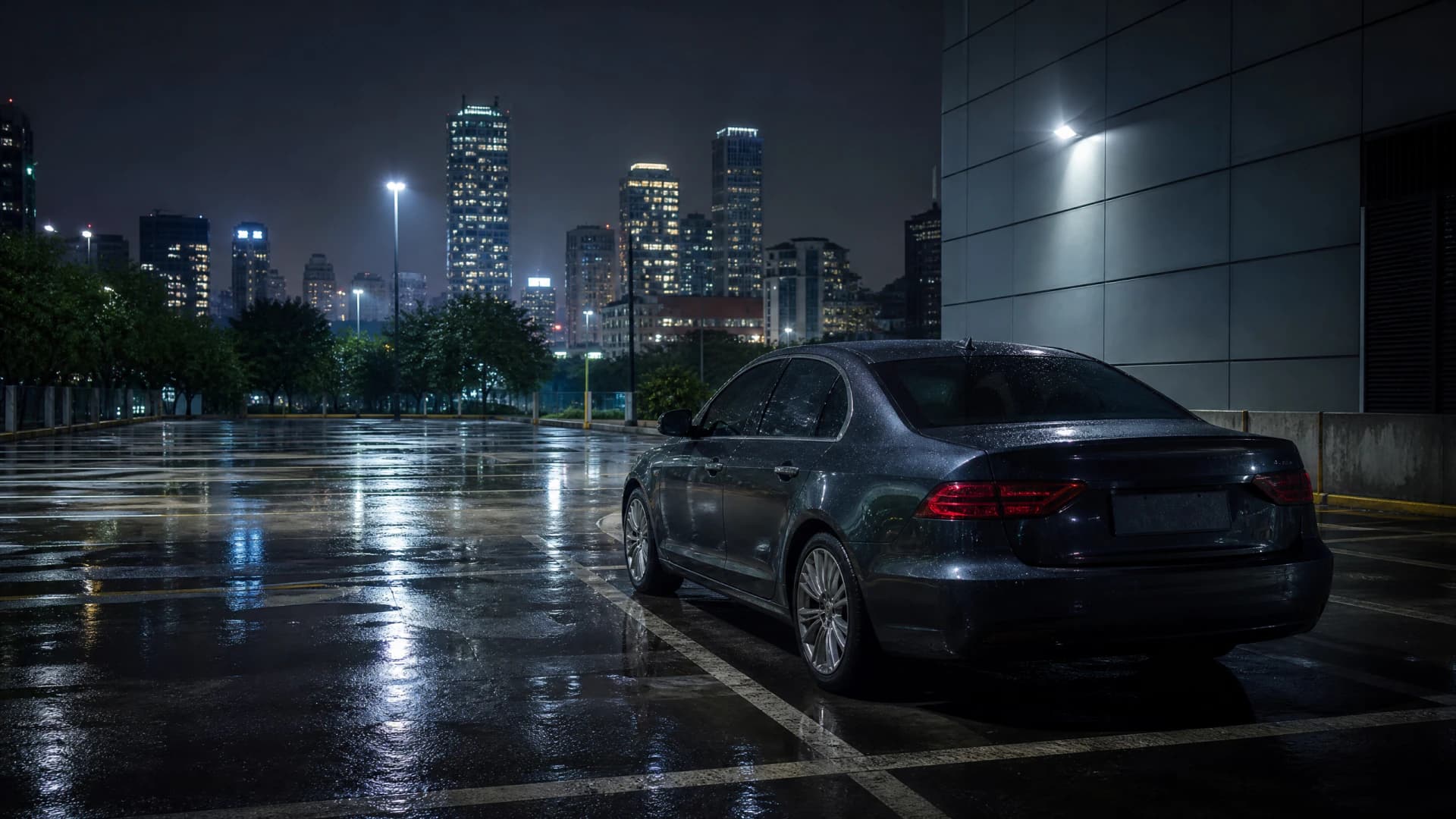
Farmers blocks the multi-car discount when vehicles garage at different addresses, even if the same person owns both cars and both are titled to the same household.
SR-22 and Non-Owner Coverage on Multi-Car Policies
Farmers writes SR-22 certificates in Kansas for households where one driver or one vehicle carries a filing requirement. Kansas requires SR-22 filing for DUI convictions, driving without liability insurance, driving while canceled or suspended, vehicular homicide, hit-and-run, any felony involving a motor vehicle, and suspensions under K.S.A. 40-3118. The filing period is one year, measured from the date the Kansas Department of Revenue Division of Vehicles receives the certificate, not the conviction date.
A household with one driver who needs SR-22 and one who does not can keep both drivers and all vehicles on the same Farmers policy. The SR-22 filing attaches to the driver who needs it, not to every vehicle on the policy. The driver with the filing pays a higher premium due to the increased risk, but the other household members are rated separately. The multi-car discount still applies to the policy as a whole.
Farmers also writes non-owner SR-22 policies in Kansas for drivers who do not own a vehicle but need to maintain continuous liability coverage to reinstate a suspended license. A non-owner policy does not cover a specific car, so it cannot combine with a standard multi-car policy. A household where one person needs non-owner SR-22 and another owns two cars will carry two separate policies: the non-owner policy for the driver with the filing requirement, and a standard multi-car policy for the vehicle owner.
$25,000 / $50,000 / $25,000
Kansas Minimum Liability
Kansas requires $25,000 bodily injury per person, $50,000 bodily injury per accident, and $25,000 property damage. Personal injury protection and uninsured motorist coverage are also mandatory. Every vehicle on a multi-car policy must meet these minimums.
Kansas auto_insurance_state_data, 2025
Combining Policies After Marriage or a Move
Two Kansas residents who marry and each bring a separate auto policy to the household can combine those policies into one multi-car policy with Farmers only if both spouses live at the same address and both vehicles garage there. Farmers requires proof of shared residence, typically a lease or mortgage document showing both names, and will not combine policies if one spouse maintains a separate address for work or other reasons.
When policies are combined, Farmers re-rates the entire household based on the combined driving records, the vehicles, and the new garaging address. A spouse with a clean record and a low-value vehicle may lower the combined premium, but a spouse with a DUI, points, or a high-value car will raise it. The multi-car discount applies to the combined policy, but the total cost depends on the household's aggregate risk. Comparing the combined Farmers quote to quotes from other Kansas carriers writing multi-car policies often reveals a lower total premium elsewhere, especially when one spouse carries a violation or a filing requirement.
Compare Farmers to Other Kansas Multi-Car Carriers
Kansas households insuring two or more vehicles can compare Farmers to 19 other carriers writing multi-car policies statewide. Geico, Progressive, State Farm, and Allstate all write Kansas multi-car policies and enforce different same-policy and garaging-address rules. Geico and Progressive typically allow a vehicle garaged at a second address if the owner lives at the primary address, which makes them better options for households with a college student's car or a work vehicle parked elsewhere. State Farm enforces a same-household rule similar to Farmers but may offer a lower combined premium for households with clean records.
Carriers writing SR-22 and non-owner coverage alongside standard multi-car policies include Geico, Progressive, Farmers, National General, Bristol West, Dairyland, The General, and USAA. A household where one driver needs SR-22 and another owns two cars should compare quotes from all carriers writing both products, because the combined premium varies widely based on how each carrier rates the filing requirement and the multi-car discount together.
How to Add a Vehicle to a Farmers Kansas Policy
Contact Farmers directly or through your agent within the carrier's grace period after purchasing the new vehicle. Most carriers allow 14 to 30 days to report a newly-purchased car before coverage lapses, but Farmers specifies the exact window in your policy documents. Missing that window can result in a denied claim if the unreported vehicle is involved in an accident before it is formally added.
When the second vehicle is added, Farmers re-rates the policy based on the combined risk of both cars, both drivers, and the garaging address. The multi-car discount reduces the combined premium, but the total cost depends on the new vehicle's value, the driver assigned to it, and whether that driver has a clean record. A household adding a teen driver's car or a high-value vehicle may see the total premium increase even with the discount applied, because the added risk outweighs the discount's reduction.
Get Your Free Quote
Get My Kansas Car Insurance QuoteFrequently Asked Questions
Does Farmers offer a multi-car discount in Kansas?
Yes, Farmers offers a multi-car discount in Kansas, but only when every vehicle on the policy garages at the same address and all drivers live in the same household. A vehicle garaged at a second address or a driver living elsewhere disqualifies the policy from the discount.
Can I add a car garaged at a different address to my Farmers Kansas policy?
Farmers allows you to add a car garaged at a different address to your Kansas policy, but the multi-car discount will not apply to that vehicle. The policy covers both cars, but each is rated separately without the discount reducing the combined premium.
Does Farmers write SR-22 for Kansas multi-car policies?
Yes, Farmers writes SR-22 certificates in Kansas for multi-car policies. The SR-22 filing attaches to the driver who needs it, not to every vehicle on the policy. The multi-car discount still applies to the policy as a whole, but the driver with the filing pays a higher premium.
Can two roommates in Kansas share one Farmers multi-car policy?
Typically no. Farmers defines a household by family relationship and shared residence, not just shared address. Two unrelated roommates who want to share one policy across their cars are usually denied because they do not meet the household requirement.
How do I combine two Farmers policies after marriage in Kansas?
Contact Farmers or your agent to combine two policies into one multi-car policy. Both spouses must live at the same address and both vehicles must garage there. Farmers will re-rate the combined policy based on both driving records, both vehicles, and the shared garaging address.
What happens if I miss the window to add a new car to my Farmers Kansas policy?
Missing the grace period to report a newly-purchased vehicle can result in a denied claim if the unreported car is involved in an accident before it is formally added. Contact Farmers within the carrier's specified window, typically 14 to 30 days, to avoid a coverage gap.