
Liability-Only Car Insurance — Kansas
Free to compare
When Liability-Only Makes Sense for Part of Your Fleet
You own three vehicles: a financed SUV, a paid-off sedan you drive to work, and an older truck used for weekend errands. The lender requires collision and comprehensive on the SUV, but you're questioning whether the sedan and truck need the same coverage. Liability-only drops collision and comprehensive, covering damage you cause to others but not damage to your own vehicle. For a car worth less than a few thousand dollars, paying collision and comprehensive premiums can cost more over two years than the vehicle's replacement value.
Kansas law does not mandate collision or comprehensive on any vehicle you own outright. The state requires liability coverage at minimum limits of $25,000 per person for bodily injury, $50,000 per accident for bodily injury, and $25,000 for property damage, plus personal injury protection and uninsured motorist coverage. You meet state requirements with liability-only coverage on every vehicle in your household as long as each policy carries those minimums and the mandatory PIP and UM endorsements.
“A vehicle worth less than ten times the annual collision premium is typically a liability-only candidate.”
Find Coverage That Keeps You Legal in Kansas
Get My Kansas Car Insurance Quote$25,000 / $50,000 / $25,000
Kansas Minimum Liability Limits
Kansas Statutes Annotated require bodily injury coverage of at least $25,000 per person and $50,000 per accident, plus $25,000 property damage liability. Personal injury protection and uninsured motorist coverage are also mandatory.
Kansas Insurance Department, K.S.A. 40-3107
What Liability-Only Coverage Actually Protects
Liability-only coverage pays for damage you cause to another person's vehicle, their medical bills, and their property damage up to your policy limits. It does not pay to repair or replace your own vehicle after an accident, regardless of fault. If you hit a deer, back into a pole, or total your car in a crash you caused, liability coverage pays nothing toward your vehicle. You pay out of pocket or replace the car yourself.
Personal injury protection, mandatory in Kansas, covers your own medical expenses and lost wages after an accident regardless of fault, up to the PIP limit you select. Uninsured motorist coverage, also mandatory, pays for your injuries when an at-fault driver has no insurance or insufficient coverage. These endorsements sit on top of your liability policy and do not require collision or comprehensive to be in force.
Collision coverage pays to repair your vehicle after a crash with another car or object, minus your deductible. Comprehensive coverage pays for theft, vandalism, hail, fire, and animal strikes, minus your deductible. Dropping both saves the premium but shifts all vehicle-damage risk to you. The decision hinges on whether the vehicle's value justifies the annual cost of those coverages.

A vehicle worth less than ten times the annual collision and comprehensive premium is typically a liability-only candidate — you'll pay more in premiums than the car is worth within a few years.




Comparing Carriers That Write Liability-Only Policies in Kansas
Twenty carriers write liability-only auto insurance in Kansas, including State Farm, Geico, Progressive, Allstate, American Family, Farmers, Nationwide, USAA, Travelers, Liberty Mutual, The General, Bristol West, Dairyland, and National General. Not every carrier prices liability-only policies the same way. Some carriers specialize in high-risk or non-standard drivers and price liability-only coverage more competitively for older vehicles. Others focus on preferred-risk households and may charge higher base rates for liability-only because they assume higher claim frequency on older cars.
Request quotes from at least three carriers that write your household's vehicle mix. Provide the year, make, model, and annual mileage for each car, and specify which vehicles carry liability-only and which carry full coverage. Carriers re-rate the entire policy when you add or drop a vehicle or change coverage levels, so the total premium across all cars matters more than the per-vehicle breakdown. A carrier offering a lower liability-only rate on one car but a higher full-coverage rate on another may cost more overall than a competitor with balanced pricing.
The multi-car discount applies to the total policy premium, not to individual vehicles. Adding a third or fourth vehicle to your policy typically lowers the per-vehicle cost even when one or more cars carry liability-only. Some carriers cap the multi-car discount at three vehicles; others extend it to four or five. Ask each carrier how many vehicles qualify for the discount and whether mixing coverage levels affects eligibility.
20 carriers
Kansas Liability-Only Insurers
At least twenty carriers write liability-only auto insurance policies in Kansas, including standard, preferred, and non-standard insurers. Comparing three or more ensures you capture pricing differences across underwriting tiers.
Kansas Insurance Department carrier roster, 2025

When to Keep Collision on an Older Vehicle
A paid-off vehicle is not automatically a liability-only candidate. If the car is worth eight thousand dollars and you cannot afford to replace it out of pocket after a total loss, collision coverage with a higher deductible may be worth the annual premium. A $1,000 deductible lowers the collision premium compared to a $500 deductible, and you still recover most of the vehicle's value after a covered loss. Comprehensive coverage remains inexpensive even on older vehicles because theft and weather claims are less frequent than collision claims, so dropping comprehensive saves less than dropping collision.
Households that rely on every vehicle for daily commuting, child transport, or work face higher replacement urgency than households with a spare car. If losing one vehicle disrupts your household's logistics, keeping collision coverage on that car may be worth the cost even if the vehicle's book value is modest. The decision is financial and operational, not purely actuarial.
Proof of Insurance and Registration Requirements
Kansas requires proof of liability insurance to register any vehicle, whether you carry liability-only or full coverage. The Kansas Department of Revenue Division of Vehicles verifies coverage electronically when you register or renew registration. Your insurer files proof of coverage directly with the state; you do not submit a paper insurance card at registration unless the electronic filing fails. If your policy lapses or you drop coverage, the state receives an electronic notice and may suspend your registration until you reinstate coverage.
Driving without liability insurance in Kansas is a misdemeanor. First-offense penalties include a fine, potential license suspension, and a requirement to file SR-22 proof of insurance for one year. The SR-22 filing itself costs a small fee, but the insurance premium increase after a lapse conviction can persist for three to five years. Maintaining continuous liability coverage on every registered vehicle avoids the filing requirement and the rate increase that follows.
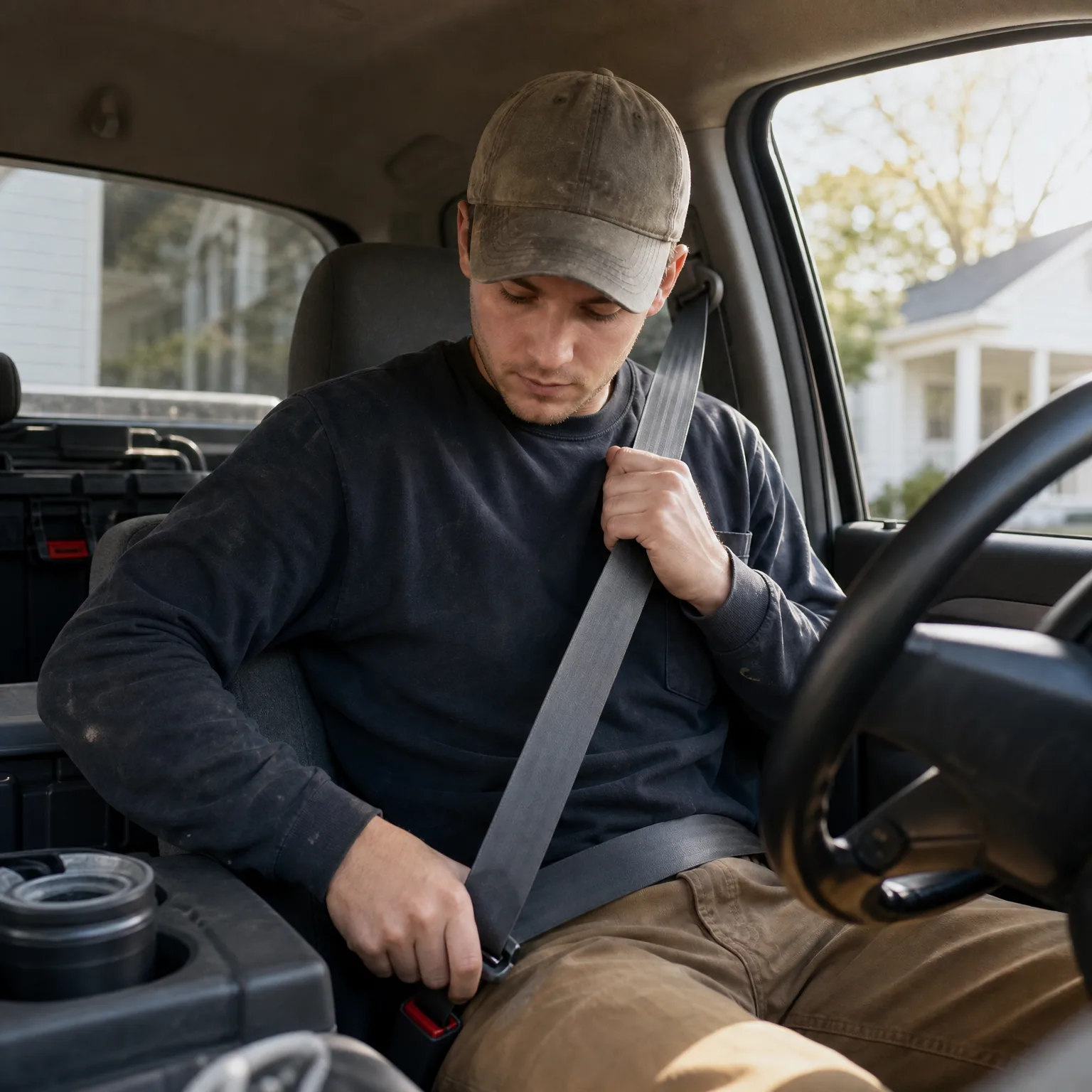
Compare Liability-Only Quotes for Your Household
Start by listing every vehicle in your household: year, make, model, current odometer reading, and how you use each car. Identify which vehicles are financed or leased and must carry collision and comprehensive, and which are paid off and eligible for liability-only coverage. Gather your current policy declarations page so you can compare your existing premium to new quotes with adjusted coverage levels. Request quotes from State Farm, Geico, Progressive, and at least two other carriers from the Kansas roster that write your vehicle mix. Provide identical coverage limits and deductibles to each carrier so the quotes reflect true pricing differences, not coverage mismatches. Compare the total annual premium across all vehicles, not individual per-car breakdowns, because the multi-car discount and household rating apply at the policy level.
Structuring Coverage Across Multiple Vehicles
Financed and leased vehicles require collision and comprehensive because the lender holds a lien on the title. Your loan agreement mandates full coverage until the loan is paid off. If you drop collision or comprehensive, the lender will force-place coverage at a higher cost and bill you directly. Paid-off vehicles have no lender requirement — you choose liability-only, liability plus collision, or full coverage based on the vehicle's value and your tolerance for out-of-pocket replacement cost.
Most carriers allow you to insure multiple vehicles on one policy with different coverage levels on each car. The newer financed SUV carries full coverage with collision and comprehensive. The older sedan and truck carry liability, PIP, and UM only. All three vehicles sit on the same policy, qualify for the multi-car discount, and meet Kansas minimum requirements. Splitting coverage this way lowers your total premium without violating state law or lender terms.
Get Your Free Quote
Get My Kansas Car Insurance QuoteFrequently Asked Questions
Can I insure multiple cars on one policy with different coverage levels in Kansas?
Yes. Kansas carriers allow you to insure several vehicles on one policy with different coverage on each car. A financed vehicle can carry full coverage while a paid-off car on the same policy carries liability-only, and both qualify for the multi-car discount.
What is the minimum liability insurance required in Kansas?
Kansas requires $25,000 per person for bodily injury, $50,000 per accident for bodily injury, and $25,000 for property damage. Personal injury protection and uninsured motorist coverage are also mandatory on every policy.
Does liability-only coverage include personal injury protection in Kansas?
Yes. Kansas law requires personal injury protection and uninsured motorist coverage on every auto insurance policy, including liability-only policies. Liability-only means you drop collision and comprehensive, not PIP or UM.
How much does liability-only car insurance cost in Kansas?
Liability-only premiums vary by driving record, location, vehicle, and carrier underwriting. Comparing quotes from three or more Kansas carriers writing your household's vehicles shows the actual cost difference between liability-only and full coverage for your situation.
Will my lender allow liability-only coverage on a financed car?
No. Lenders require collision and comprehensive coverage on financed and leased vehicles until the loan is paid off. Dropping those coverages violates your loan agreement, and the lender will force-place coverage at a higher cost.
What happens if I cause an accident with liability-only coverage in Kansas?
Your liability coverage pays for the other driver's vehicle damage, medical bills, and property damage up to your policy limits. It does not pay to repair your own vehicle. You pay out of pocket or replace your car yourself.
Can I add collision coverage back to a liability-only policy later?
Yes. You can add collision and comprehensive coverage to a liability-only policy at any time by contacting your carrier. The change takes effect on the date you request, and your premium adjusts to reflect the added coverage.