
High-Risk Multi-Car Insurance — Kansas
Free to compare
The Multi-Car Discount Exists, But Not for Every High-Risk Household
You need to insure two or more vehicles in Kansas. You've been classified as high-risk — a DUI, multiple violations, a lapse in coverage, or a recent at-fault accident. You've read that a multi-car policy saves money, but when you call carriers, some refuse to quote more than one vehicle, others quote each car separately at a higher rate than you expected, and a few offer the discount but only after re-rating your entire household at the high-risk tier. The multi-car discount is real, but high-risk underwriting changes how it works.
Kansas requires $25,000 bodily injury per person, $50,000 per accident, and $25,000 property damage, plus personal injury protection and uninsured motorist coverage. Meeting those minimums across multiple vehicles on one policy should lower your combined premium compared to separate policies, but high-risk classification introduces carrier-specific underwriting limits that standard-risk households never encounter. Some carriers cap the number of vehicles they'll write on a single high-risk policy. Others apply the multi-car discount only after every vehicle is re-rated at your risk tier, which can erase the savings. A third group writes the policy but requires proof of garaging at the same address and excludes certain vehicle types from the discount entirely.
“Some Kansas carriers cap high-risk policies at three vehicles and refuse to add more, even when every vehicle is titled to the same household.”

Find Coverage That Keeps You Legal in Kansas
Get My Kansas Car Insurance Quote12%
Kansas Uninsured Motorist Rate
Twelve percent of Kansas motorists drive without insurance, which is why the state mandates uninsured motorist coverage on every policy. High-risk households insuring multiple vehicles pay higher uninsured-motorist premiums because the coverage applies per vehicle, not per policy.
NAIC 2023
How High-Risk Classification Changes Multi-Car Policy Structure
A standard-risk household adding a second or third vehicle to an existing Kansas policy triggers a straightforward re-rate: the carrier recalculates the premium for every vehicle on the policy, applies the multi-car discount to each, and issues a new total. The discount typically reduces each vehicle's premium by a percentage, and the combined savings outweigh the cost of adding the new car. High-risk households follow a different path. When you're classified as high-risk, the carrier first determines whether it will write a multi-vehicle policy for your household at all. Not every carrier that writes high-risk auto insurance writes multi-vehicle high-risk policies.
Carriers that do write multi-vehicle high-risk policies apply the discount only after assigning every vehicle on the policy to your risk tier. If you're rated high-risk because of a DUI, every car on the policy — including vehicles driven exclusively by a standard-risk household member — is underwritten at the high-risk tier for the duration of your classification period. The multi-car discount applies to those elevated base rates, not to the standard rates a non-high-risk household would pay. The discount exists, but the base it's applied to is higher.
Some carriers impose vehicle-count caps on high-risk policies. A carrier may write up to three vehicles on a single high-risk policy but refuse to add a fourth. Others restrict vehicle types: a household with a high-performance car, a commercial-use vehicle, or a vehicle titled to someone outside the household may find that the carrier excludes one or more vehicles from the multi-car discount, even if all vehicles sit on the same policy. Kansas does not regulate how carriers structure multi-car discounts for high-risk households, so these restrictions vary by carrier.
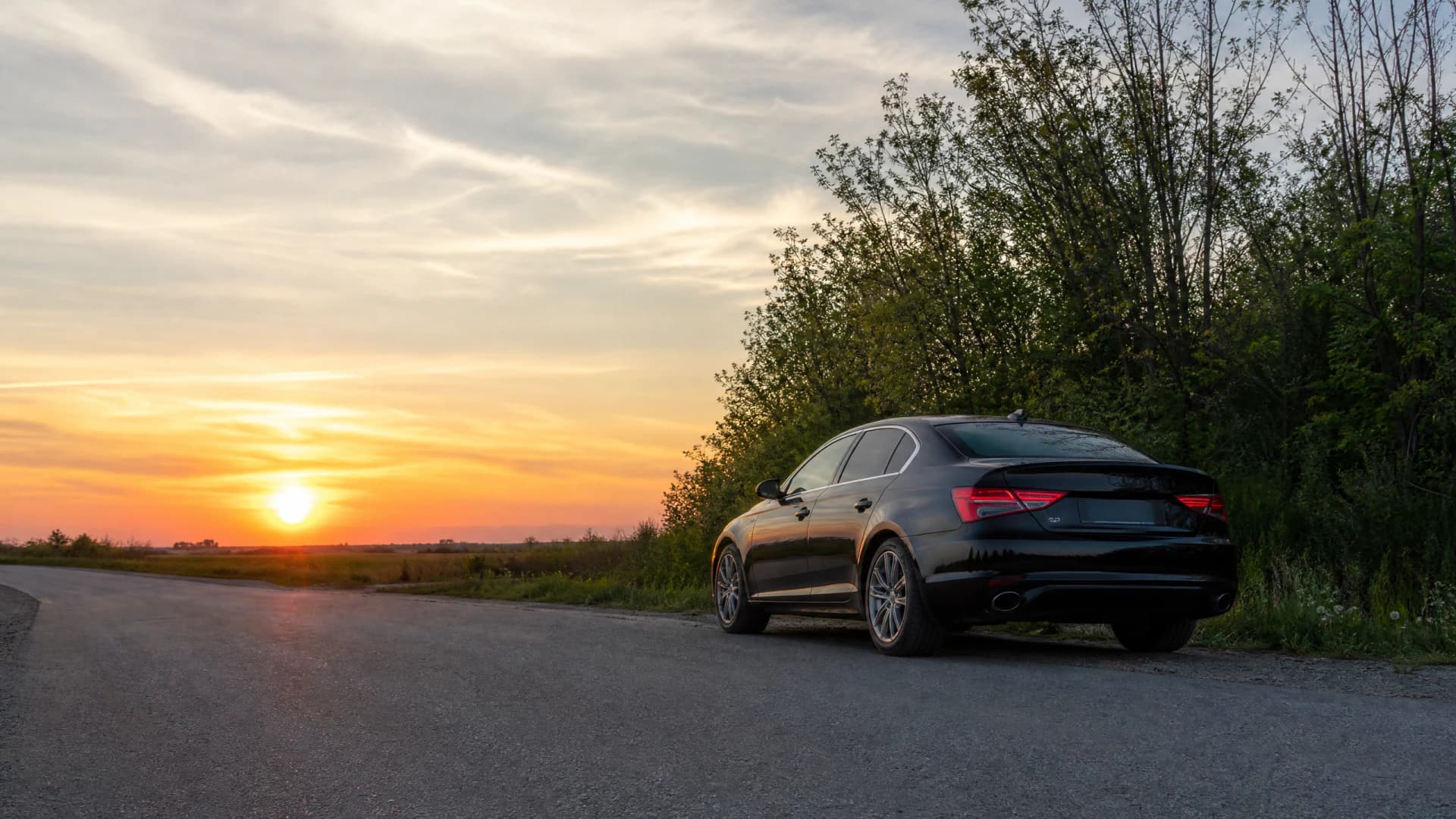
Some Kansas carriers cap high-risk policies at two or three vehicles and refuse to add more, even when every vehicle is titled to the same household and garaged at the same address.


How Adding a Vehicle Mid-Term Affects a High-Risk Policy
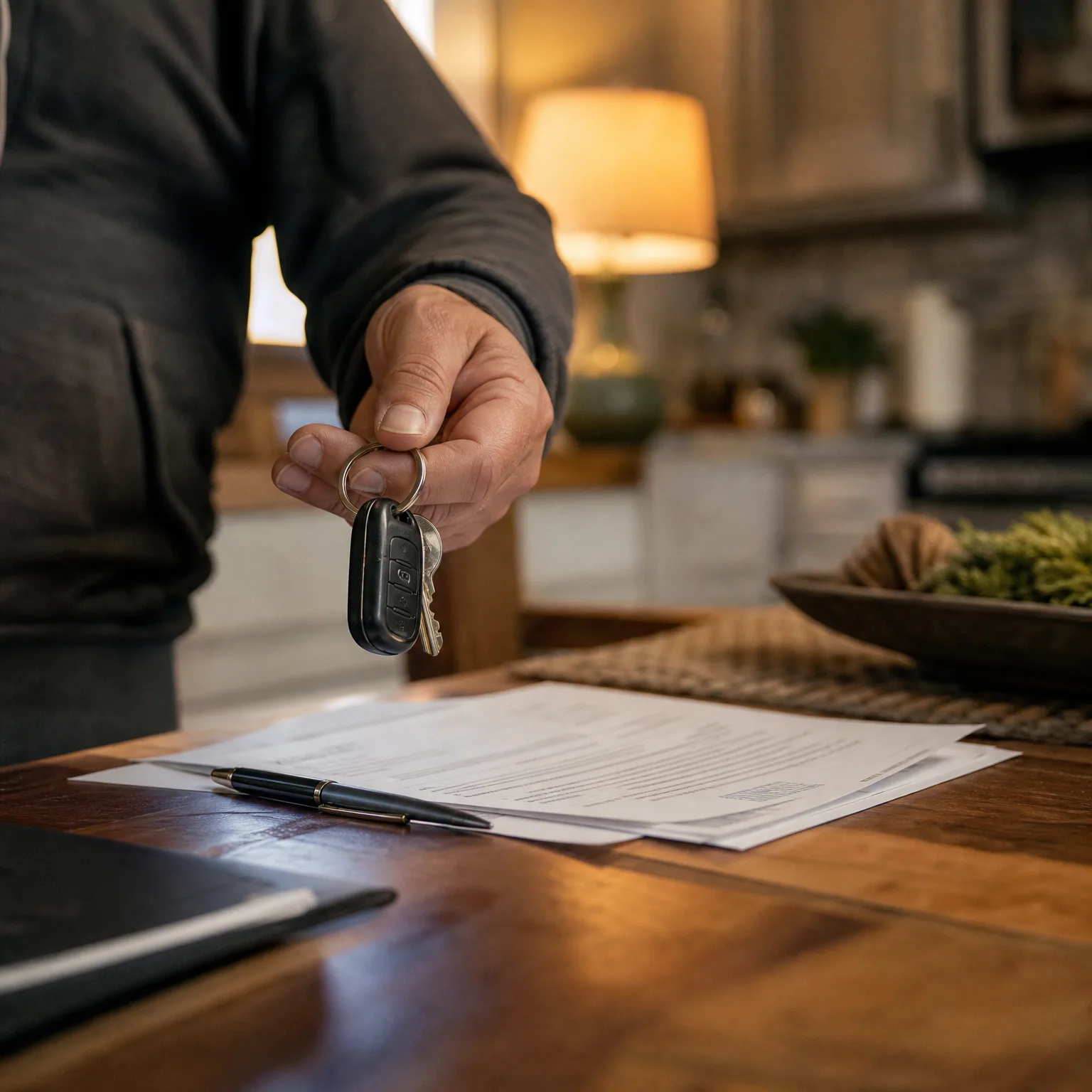
Kansas carriers give you a grace period to report a newly purchased or newly titled vehicle to your existing policy, typically 14 to 30 days depending on the carrier. During that window, the new vehicle is covered under your existing policy's liability and any comprehensive or collision coverage you carry. After the grace period ends, an unreported vehicle is not covered, and a claim on that vehicle will be denied. High-risk policies follow the same grace-period rule, but adding the vehicle triggers a full policy re-rate at the high-risk tier.
When you report the new vehicle, the carrier recalculates the premium for every vehicle on the policy, applies the multi-car discount to each, and bills you for the difference between your current premium and the new total, prorated for the remainder of the term. If your policy renews within 60 days of adding the vehicle, some carriers defer the re-rate to renewal, which means you pay a prorated amount for the new vehicle only, and the full multi-car discount applies at renewal. Other carriers re-rate immediately regardless of renewal timing. Call your carrier within the grace period to confirm how the re-rate is timed and whether the multi-car discount applies mid-term or at renewal.
If the new vehicle pushes your household above the carrier's vehicle-count cap, the carrier will refuse to add it to the existing policy. You'll need to place the vehicle on a separate policy, either with the same carrier (if they'll write a second policy for your household) or with a different carrier. A vehicle on a separate policy does not qualify for the multi-car discount on your existing policy, even if both policies are with the same carrier and both vehicles are garaged at the same address. The discount applies only to vehicles on the same policy.
$25,000 / $50,000 / $25,000
Kansas Minimum Liability Limits
Kansas requires $25,000 bodily injury per person, $50,000 per accident, and $25,000 property damage. High-risk households insuring multiple vehicles must meet these minimums on every vehicle, and carriers calculate the multi-car discount after applying the high-risk rate to each vehicle's liability premium.
Kansas Department of Revenue, Division of Vehicles

When Separate Policies Cost Less Than One Multi-Car Policy
A multi-car policy usually costs less than separate policies because the discount reduces each vehicle's premium. High-risk households are the exception. If only one household member is classified as high-risk and the other drivers and vehicles qualify for standard rates, placing every vehicle on a single policy forces the carrier to rate every vehicle at the high-risk tier. The multi-car discount applies, but it's applied to elevated base rates. Two separate policies — one high-risk policy for the high-risk driver's vehicle, one standard policy for the other household vehicles — can produce a lower combined premium than one multi-car high-risk policy.
Kansas does not require household members to share a single auto insurance policy. You can structure coverage however produces the lowest combined premium. Compare the total cost of one multi-car high-risk policy against the total cost of separate policies before committing. Some carriers will quote both structures; others write only one or the other. If you're married or share a household with another driver, ask whether the carrier allows you to exclude the high-risk driver from the standard-risk policy, which keeps the standard policy's rates lower and isolates the high-risk surcharge to the high-risk driver's vehicle only.
Compare Carriers Writing Multi-Vehicle High-Risk Policies in Kansas
Nineteen carriers write auto insurance in Kansas, but only nine write both high-risk coverage and multi-vehicle policies. Underwriting rules, vehicle-count caps, and how the multi-car discount is calculated vary by carrier. Bristol West, Dairyland, and The General specialize in high-risk multi-vehicle policies and typically offer the most flexible underwriting. Progressive, Geico, and Farmers write multi-vehicle high-risk policies but apply stricter vehicle-type and household-structure rules. Root and National General use telematics, which can lower your rate over time if your driving improves, but the discount is variable and depends on your behavior after the violation. USAA writes multi-vehicle high-risk policies for eligible members and applies the discount even when only one household member is high-risk, but membership is restricted to military families. Compare quotes from at least three carriers that write your household's vehicle count and risk profile, and ask each carrier how the multi-car discount is applied — before or after the high-risk re-rate, and whether any vehicles are excluded.
Which Kansas Carriers Write Multi-Vehicle High-Risk Policies
Bristol West, Dairyland, Farmers, Geico, National General, Progressive, Root, The General, and USAA write high-risk auto insurance in Kansas and accept multi-vehicle policies. Bristol West and Dairyland specialize in non-standard auto and typically write up to four vehicles on a single high-risk policy without vehicle-type exclusions. Progressive and Geico write multi-vehicle high-risk policies but apply stricter underwriting: Progressive may exclude high-performance vehicles from the multi-car discount, and Geico caps some high-risk households at three vehicles. The General writes multi-vehicle policies for drivers with DUIs, suspended licenses, and multiple violations, but requires every vehicle to be garaged at the same address and excludes commercial-use vehicles.
Root and National General write multi-vehicle high-risk policies but use telematics-based underwriting, which means your driving behavior after the violation affects whether the multi-car discount increases or decreases at renewal. USAA writes multi-vehicle high-risk policies for eligible military members and their families, and applies the multi-car discount even when one household member is high-risk and others are not, but USAA membership is restricted. Farmers writes multi-vehicle high-risk policies through independent agents and applies the discount after re-rating every vehicle at the high-risk tier, which can produce a higher combined premium than two separate standard-risk policies if only one household member is high-risk.
Get Your Free Quote
Get My Kansas Car Insurance QuoteFrequently Asked Questions
Can I get a multi-car discount in Kansas if I have a DUI?
Yes, but the discount applies after every vehicle on your policy is re-rated at the high-risk tier. Carriers that write multi-vehicle high-risk policies in Kansas include Bristol West, Dairyland, Farmers, Geico, National General, Progressive, Root, The General, and USAA. Some cap the number of vehicles they'll write on a single high-risk policy.
Do all Kansas carriers write multi-vehicle high-risk policies?
No. Nine carriers write both high-risk coverage and multi-vehicle policies in Kansas: Bristol West, Dairyland, Farmers, Geico, National General, Progressive, Root, The General, and USAA. Other carriers write high-risk auto insurance but refuse to add more than one vehicle to a high-risk policy.
Will adding a second car to my high-risk Kansas policy increase my rate?
Yes. Adding a vehicle triggers a full policy re-rate at the high-risk tier. The carrier recalculates the premium for every vehicle on the policy, applies the multi-car discount to each, and bills you for the difference. The discount reduces each vehicle's premium, but the base rate is higher because of your high-risk classification.
Can I insure my spouse's car on a separate policy to avoid the high-risk rate?
Yes. Kansas does not require household members to share one policy. If only one household member is high-risk, placing that driver's vehicle on a separate high-risk policy and the other vehicles on a standard policy can produce a lower combined premium than one multi-car high-risk policy. Compare both structures before deciding.
How long does high-risk classification last in Kansas?
It depends on the violation. A DUI typically keeps you in the high-risk tier for three to five years from the conviction date. Multiple at-fault accidents or moving violations keep you high-risk for three years from the most recent incident. Your carrier determines how long the surcharge applies based on your driving record and state underwriting rules.
Do Kansas carriers exclude certain vehicles from the multi-car discount?
Some do. Carriers may exclude high-performance vehicles, commercial-use vehicles, or vehicles titled to someone outside the household from the multi-car discount, even if all vehicles sit on the same policy. Bristol West and Dairyland apply the discount to all vehicle types. Progressive and Geico apply stricter vehicle-type rules.