
Cheapest Car Insurance Companies — Kansas
Free to compare
The Multi-Vehicle Quote Problem in Kansas
You're shopping for coverage across two, three, or four vehicles in Kansas and every carrier's online quote tool shows a different baseline. Another shows $140. A third won't quote online at all without a phone call. The confusion isn't your household — it's that Kansas mandates personal injury protection and uninsured motorist coverage on every policy, and not every advertised rate includes them.
Kansas requires $25,000 bodily injury per person, $50,000 per accident, $25,000 property damage, plus PIP and UM coverage on every vehicle you insure. A carrier quoting a low rate without those mandatory coverages isn't cheaper — it's incomplete. When you add the required coverages at checkout, the premium jumps. For a household insuring multiple vehicles, that gap multiplies across every car on the policy.
“A carrier quoting a low rate without Kansas's mandatory PIP and UM coverages isn't cheaper — it's incomplete.”

Find Coverage That Keeps You Legal in Kansas
Get My Kansas Car Insurance Quote$869.46
Kansas Annual Auto Premium Per Vehicle
The average Kansas driver paid $869.46 per insured vehicle in 2023, according to NAIC data.
NAIC Auto Insurance Database Report 2023
What Kansas Law Requires on Every Vehicle
Kansas statute mandates liability minimums of $25,000 per person for bodily injury, $50,000 per accident, and $25,000 for property damage. Those are the floor. On top of that, Kansas requires personal injury protection coverage and uninsured motorist coverage on every policy unless you reject them in writing. Most households don't reject them, which means every vehicle you insure carries five mandatory coverage components, not three.
Personal injury protection pays your medical bills and lost wages after an accident regardless of fault. Uninsured motorist coverage protects you when the other driver has no insurance — a real risk in Kansas, where 12% of drivers are uninsured. When you're comparing carriers for a multi-vehicle household, the carrier that writes the lowest rate on liability alone isn't necessarily the cheapest once PIP and UM are added to every car on your policy.
The multi-car discount reduces your per-vehicle premium when you insure two or more vehicles on the same policy, but the discount applies after the mandatory coverages are priced in. Without that baseline, you're comparing different products.
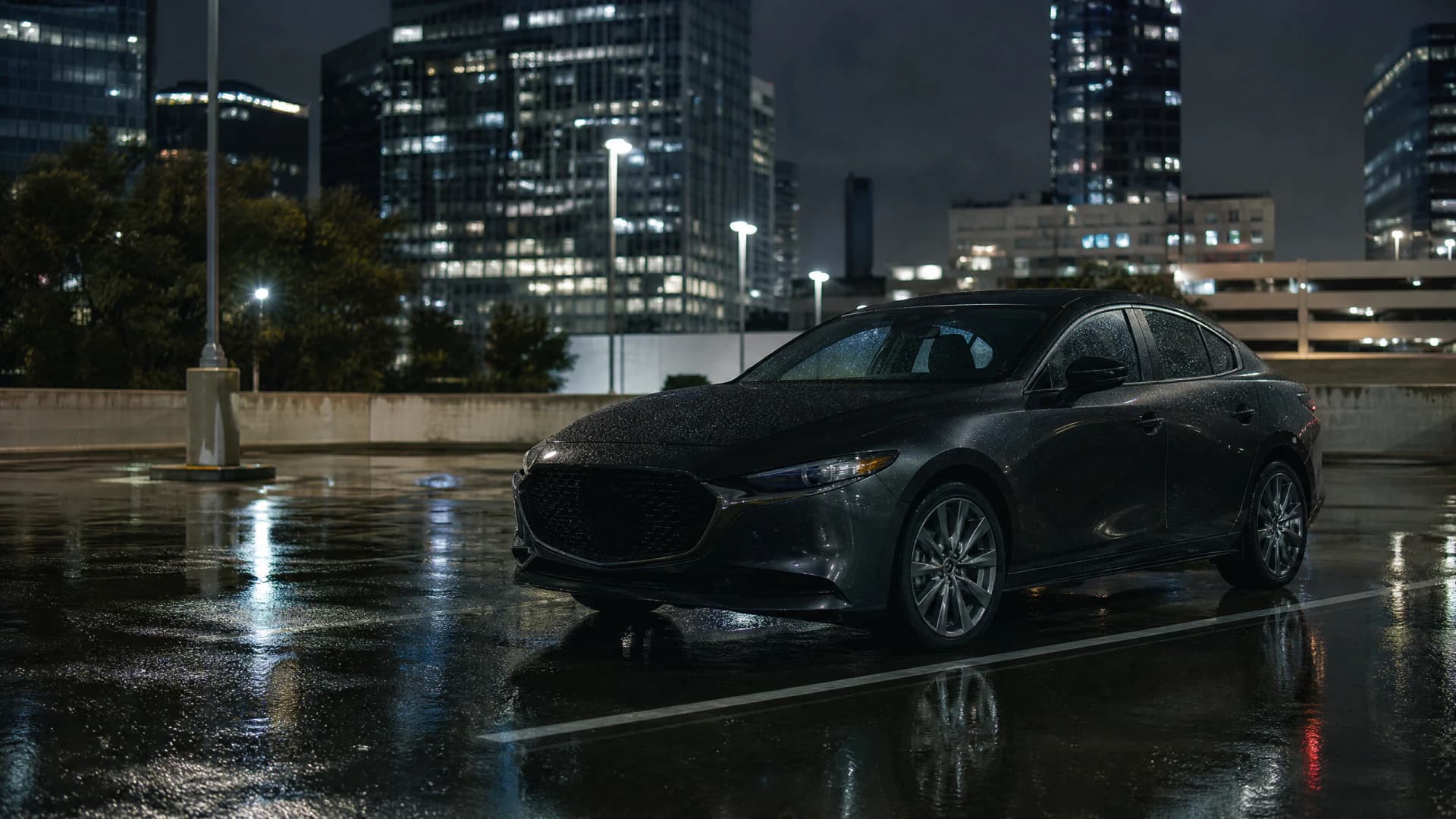
A Kansas multi-vehicle quote is only comparable when PIP and UM coverage are included on every vehicle from the start — not added at checkout.
Related Articles
Best Multi-Car Insurance Companies in Kansas
7/15/2026
Cheap Car Insurance Companies Kansas
7/15/2026
Cheapest Car Insurance Company in Kansas
7/15/2026
Choosing a Car Insurer for Multiple Cars in KS
7/15/2026
Best Full Coverage Carriers for Kansas
7/15/2026

Best Full Coverage for Multiple Cars in Kansas
7/15/2026
How the Multi-Car Discount Works in Kansas
The multi-car discount applies when you insure two or more vehicles on the same policy with the same carrier. The discount reduces the per-vehicle premium, but it requires every vehicle to sit on one policy — a car titled to a household member on a separate policy doesn't count. Most carriers also require every vehicle to be garaged at the same address, though some will write split-address households if both addresses are in Kansas and the primary policyholder is the same.
Kansas carriers structure the discount differently. Some apply a flat percentage to every vehicle after the first; others reduce the base rate for all vehicles once the second car is added. A few carriers cap the discount at three vehicles, meaning the fourth and fifth cars on your policy don't receive additional savings. When you're comparing carriers, ask whether the discount applies to all vehicles or only to vehicles two through N, and whether there's a cap.
Adding a vehicle mid-term re-rates the entire policy, not just the new car. If you buy a third vehicle halfway through your six-month term, the carrier recalculates the premium for all three vehicles based on the new household risk profile. That recalculation can increase the per-vehicle rate if the new car is higher-risk than the existing two, even with the multi-car discount applied. The timing of when you add the vehicle matters — adding it at renewal avoids the mid-term re-rate and gives you a cleaner comparison across carriers.
21 carriers
Kansas Licensed Auto Insurers
Twenty-one carriers are confirmed to write auto insurance in Kansas, including standard, preferred, and non-standard tiers. Not all write multi-vehicle households online; some require agent contact for quotes covering three or more vehicles.
Kansas Insurance Department licensure records
Comparing Carriers for Your Household's Vehicle Count
Start with carriers that write your household's vehicle count without splitting the policy. If you're insuring two vehicles, every carrier on the Kansas roster will write you. Three vehicles narrows the field slightly — some preferred-tier carriers cap online quotes at two vehicles and require a phone call for the third. Four or more vehicles eliminates most online-only carriers entirely; you'll need an agent or a carrier that specializes in larger households.
Request quotes that include Kansas's mandatory PIP and UM coverage on every vehicle from the start. If a carrier's online tool doesn't surface those coverages until checkout, call and request a compliant quote. The goal is to compare apples to apples — every quote should reflect the same liability limits, the same PIP and UM coverage, and the same deductibles across all vehicles. Once you have three compliant quotes, the per-vehicle premium and the total household premium become comparable.
Check whether the carrier writes your household structure. If one vehicle is titled to a spouse or adult child living at the same address, most carriers will add it to your policy. If a vehicle is garaged at a different address — a college student's car at a dorm, or a work vehicle parked at a job site — some carriers won't write it on the same policy. Ask before you start the application; splitting a household across two policies eliminates the multi-car discount and raises your total cost.
What to Do Right Now
Pull your current declarations page and confirm every vehicle on your policy carries Kansas's mandatory coverages: $25,000/$50,000/$25,000 liability, PIP, and UM. Once your current policy is compliant, request quotes from at least three carriers that write your household's vehicle count and include all mandatory coverages in the base quote. Compare the per-vehicle premium and the total household premium after the multi-car discount is applied, then choose the carrier that writes your household structure at the lowest compliant rate.
Carriers Writing Multi-Vehicle Policies in Kansas
Geico, Progressive, State Farm, and Farmers write multi-vehicle households in Kansas and include online quoting tools that surface PIP and UM requirements during the quote process. Geico and Progressive both write non-owner policies and SR-22 filings, which signals they underwrite higher vehicle counts and non-standard household structures. State Farm operates through agents and typically writes households with four or more vehicles without splitting the policy. Farmers writes multi-vehicle policies online but may require a phone call for households with more than three vehicles or mixed-use vehicles.
USAA writes multi-vehicle policies for military-affiliated households and includes PIP and UM in every Kansas quote by default. American Family and Auto-Owners write Kansas households but require agent contact for multi-vehicle quotes — their online tools don't support households with more than two vehicles. Bristol West, Dairyland, National General, and The General write non-standard and high-risk multi-vehicle households, including drivers with violations or suspended licenses, and all four write SR-22 filings in Kansas.
Get Your Free Quote
Get My Kansas Car Insurance QuoteFrequently Asked Questions
What is the cheapest car insurance company in Kansas for multiple vehicles?
No single carrier is cheapest for every household. Geico, Progressive, State Farm, and Farmers all write multi-vehicle policies in Kansas and include mandatory PIP and uninsured motorist coverage in their quotes. The lowest rate depends on your household's vehicle count, driving records, and garaging address. Request compliant quotes from at least three carriers to compare total household premiums after the multi-car discount.
Does Kansas require PIP and uninsured motorist coverage on every vehicle?
Yes. Kansas law mandates personal injury protection and uninsured motorist coverage on every auto policy unless you reject them in writing. Most households don't reject them, which means every vehicle you insure must carry both coverages in addition to the state's liability minimums. A quote that excludes PIP or UM isn't compliant and will cost more once those coverages are added at checkout.
How much does the multi-car discount save in Kansas?
The multi-car discount reduces your per-vehicle premium when you insure two or more vehicles on the same policy, but the discount percentage varies by carrier and household. Some carriers apply the discount to every vehicle after the first; others reduce the base rate for all vehicles once the second car is added. Request quotes from multiple carriers to see how the discount affects your total household premium.
Can I insure vehicles garaged at different addresses in Kansas?
Most Kansas carriers require all vehicles on a multi-car policy to be garaged at the same address. Some will write split-address households if both addresses are in Kansas and the primary policyholder is the same, but you'll need to call and confirm. A vehicle garaged at a different address may need its own policy, which eliminates the multi-car discount and raises your total cost.
What happens if I add a vehicle mid-term to my Kansas policy?
Adding a vehicle mid-term re-rates your entire policy, not just the new car. The carrier recalculates the premium for all vehicles based on the new household risk profile, which can increase the per-vehicle rate even with the multi-car discount applied. Adding the vehicle at renewal avoids the mid-term re-rate and gives you a cleaner comparison across carriers.
Which Kansas carriers write households with four or more vehicles?
State Farm, Geico, Progressive, and Farmers write households with four or more vehicles in Kansas. State Farm operates through agents and typically writes larger households without splitting the policy. Geico and Progressive offer online quotes but may require a phone call for households with more than three vehicles. Most preferred-tier carriers cap online quotes at two or three vehicles and require agent contact for larger households.