
Best Car Insurance for Minimum Coverage — Kansas
Free to compare
The Multi-Car Minimum-Coverage Trap
You own two cars in Kansas. One is a 2018 sedan you drive daily; the other is a 2005 pickup you use for weekend projects. You want state minimum coverage on both to keep the premium low, and you assumed adding the second vehicle to your existing policy would trigger the multi-car discount automatically. Then your carrier told you the discount does not apply when one vehicle carries liability-only and the other carries full coverage, or when the vehicles sit on different coverage tiers within the same policy. You are now stuck choosing between coverage consistency across both vehicles or losing the discount that made insuring two cars affordable in the first place.
This is not a carrier quirk. Most multi-car discounts in Kansas require coverage parity across vehicles on the same policy. When one car drops to minimum liability and the other keeps collision and comprehensive, the discount structure breaks. The carrier re-rates the policy as two separate risk profiles under one account, and the multi-car savings vanish. The structural reality: the discount rewards bundling vehicles, but only when those vehicles share the same coverage profile.
“The multi-car discount vanishes when vehicles sit on different coverage tiers, forcing a choice between coverage consistency and discount retention.”
Find Coverage That Keeps You Legal in Kansas
Get My Kansas Car Insurance Quote$25,000/$50,000/$25,000
Kansas Minimum Liability Limits
Kansas law requires $25,000 bodily injury per person, $50,000 bodily injury per accident, and $25,000 property damage. PIP and uninsured motorist coverage are also mandatory. These minimums apply to every vehicle on your policy.
Kansas statutes, state insurance code
What Kansas Minimum Coverage Actually Requires
Kansas minimum coverage is not just liability. The state mandates personal injury protection and uninsured motorist coverage on top of the $25,000/$50,000/$25,000 liability floor. Every vehicle on your policy must carry all three. Dropping PIP or UM to lower the premium is not an option. When you add a second or third vehicle, each one triggers the same mandatory-coverage stack.
The multi-car discount applies to the combined premium across all vehicles on one policy. Carriers calculate the discount after rating each vehicle individually, then apply a percentage reduction to the total. That percentage varies by carrier. Some apply 10 percent for two vehicles, others apply a tiered structure where the third vehicle saves more than the second. The discount exists because bundling multiple vehicles on one policy reduces the carrier's administrative cost and increases policy retention likelihood.
The structural blocker: most carriers tie the discount to coverage consistency. If Vehicle A carries liability, PIP, UM, collision, and comprehensive, and Vehicle B carries only liability, PIP, and UM, the carrier often treats them as separate risk tiers. The discount either shrinks or disappears entirely. Carriers do not advertise this threshold clearly. You discover it when you add the second vehicle and see the quoted premium come back higher than expected.
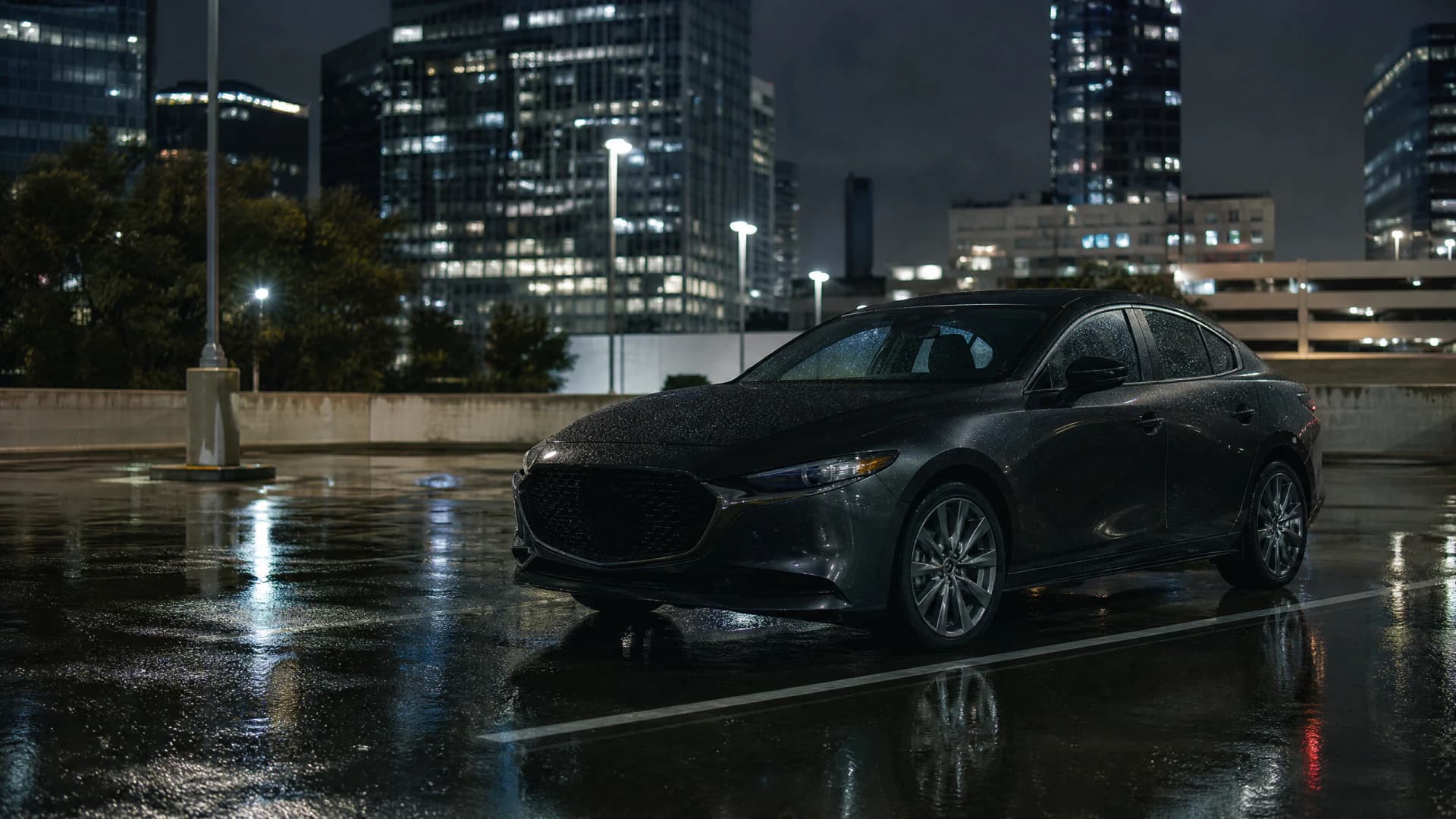
The multi-car discount vanishes when vehicles on the same policy sit on different coverage tiers. Coverage parity is the hidden requirement carriers do not name upfront.
Related Articles

Best Multi-Car Insurance Companies in Kansas
7/15/2026

Cheap Car Insurance Companies Kansas
7/15/2026

Best Full Coverage Carriers for Kansas
7/15/2026

Best Full Coverage for Multiple Cars in Kansas
7/15/2026
Choosing a Car Insurer for Multiple Cars in KS
7/15/2026

Kansas Car Insurance Coverage Levels
7/15/2026
How to Structure Coverage Across Multiple Vehicles
Start by deciding whether every vehicle on your policy needs the same coverage level. The premium savings often outweigh the multi-car discount you lose.
When you add a second vehicle mid-term, the carrier re-rates the entire policy, not just the new car. That re-rating recalculates the multi-car discount based on the coverage profile of both vehicles. If the new vehicle carries liability-only and your existing vehicle carries full coverage, the discount shrinks or disappears at the moment of addition. Timing matters: adding the vehicle at renewal rather than mid-term sometimes preserves a higher discount percentage because the carrier prices the full term with both vehicles from the start.
Failure mode: you add a liability-only vehicle to an existing full-coverage policy mid-term, the carrier applies the mixed-tier rate, and your combined premium jumps higher than insuring the vehicles separately. The solution is to quote both structures before adding the vehicle. Compare the single-policy mixed-tier rate against two separate policies. In some cases, two separate minimum-coverage policies cost less than one mixed-tier policy after the discount shrinks.
21 carriers
Kansas Multi-Car Policy Writers
Twenty-one carriers write multi-car policies in Kansas. Geico, Progressive, State Farm, Farmers, and Allstate write the majority of minimum-coverage multi-vehicle households. Smaller carriers like Shelter and Country Financial write fewer multi-car policies but often offer competitive rates for same-tier coverage.
Kansas carrier roster, state insurance filings
Same-Policy Requirements and Garaging Rules
The multi-car discount requires every vehicle to sit on the same policy. A vehicle titled to a household member on a different policy does not count toward the discount, even if both policies are with the same carrier. If you and your spouse each have a separate policy and you want to combine them, the carrier will re-rate both vehicles on one policy and apply the multi-car discount to the new combined premium. That combined rate is often lower than the sum of the two separate policies, but not always.
Most carriers also require all vehicles on the policy to share the same garaging address. If one car is garaged at your primary residence and another is garaged at a second property or a different city, the carrier may refuse to apply the multi-car discount or may split the vehicles onto separate policies. Kansas does not regulate garaging-address requirements for the multi-car discount; each carrier sets its own rule. Geico and Progressive allow different garaging addresses within the same county and still apply the discount. State Farm and Allstate typically require the same address.
Compare Carriers Before Adding the Second Vehicle
The structural path forward: quote the multi-car policy with both vehicles before you add the second one. Ask the carrier whether the discount applies when one vehicle carries liability-only and the other carries full coverage. If the discount shrinks or disappears, quote two separate minimum-coverage policies and compare the combined premium. In many cases, two separate policies cost less than one mixed-tier policy after the discount adjustment.
When you compare carriers, focus on same-policy requirements and coverage-tier rules. Ask whether the carrier applies the multi-car discount to mixed-tier policies, and if so, what percentage. Ask whether both vehicles must share the same garaging address. Ask whether adding a vehicle mid-term triggers a full policy re-rate or only adds the new vehicle's premium to the existing total. These answers determine whether the multi-car structure saves money or costs more than separate policies.
Use the comparison tool to quote multiple carriers at once. Enter both vehicles, specify liability-only coverage for one and full coverage for the other, and compare the quoted premiums side by side. The tool shows which carriers apply the multi-car discount to mixed-tier policies and which require coverage parity. That comparison removes the guesswork and shows the actual combined premium before you commit to adding the second vehicle.
Carriers That Write Kansas Multi-Car Minimum Policies
State Farm, Geico, Progressive, and Farmers write the majority of Kansas multi-car minimum-coverage policies. All four allow you to add multiple vehicles to one policy with varying coverage levels, but the discount structure differs. State Farm and Geico typically require coverage parity to apply the full multi-car discount. Progressive and Farmers allow mixed coverage tiers and still apply a discount, though the percentage drops when one vehicle carries liability-only and another carries full coverage.
Allstate, American Family, and Nationwide also write multi-car minimum policies statewide. American Family applies the multi-car discount even when vehicles carry different coverage levels, but the discount percentage is lower than the same-tier rate. Allstate and Nationwide follow a similar structure. Smaller carriers like Shelter and Country Financial write multi-car policies but often require all vehicles to share the same coverage tier to qualify for any discount. The structural difference: larger carriers absorb mixed-tier policies more easily; smaller carriers price them as separate risks under one account.
Get Your Free Quote
Get My Kansas Car Insurance QuoteFrequently Asked Questions
Does the multi-car discount apply if one vehicle has liability-only and the other has full coverage?
Most Kansas carriers reduce or eliminate the multi-car discount when vehicles on the same policy carry different coverage tiers. Geico and State Farm typically require coverage parity to apply the full discount. Progressive and Farmers allow mixed tiers but apply a smaller discount percentage. Quote both structures before adding the second vehicle to see which saves more.
Can I insure two vehicles on separate policies and still get a multi-car discount?
No. The multi-car discount requires both vehicles to sit on the same policy. Two separate policies with the same carrier do not qualify for the discount, even if both policies cover vehicles in the same household. Combining the policies onto one account is the only way to trigger the multi-car rate.
Do both vehicles need to be garaged at the same address to qualify for the multi-car discount?
Most Kansas carriers require all vehicles on a multi-car policy to share the same garaging address. Geico and Progressive allow different addresses within the same county and still apply the discount. State Farm and Allstate typically require the same address. Ask your carrier before adding a vehicle garaged elsewhere.
What happens to my premium when I add a second vehicle mid-term?
Adding a vehicle mid-term triggers a full policy re-rate, not just an addition of the new vehicle's premium. The carrier recalculates the multi-car discount based on the coverage profile of both vehicles. If the new vehicle carries liability-only and your existing vehicle carries full coverage, the discount may shrink or disappear at the moment of addition.
Is it cheaper to insure two cars on one policy or two separate policies in Kansas?
One policy with the multi-car discount is usually cheaper when both vehicles carry the same coverage tier. When one vehicle carries liability-only and the other carries full coverage, two separate minimum-coverage policies sometimes cost less than one mixed-tier policy after the discount shrinks. Quote both structures to compare the actual combined premium.
Which Kansas carriers write the most multi-car minimum-coverage policies?
Geico, Progressive, State Farm, Farmers, and Allstate write the majority of Kansas multi-car minimum-coverage policies. All five allow mixed coverage tiers, but the discount structure varies. Progressive and Farmers apply a reduced discount to mixed-tier policies; Geico and State Farm typically require coverage parity to preserve the full discount.